The Psychology of Stock Market Panics: Precious Metals as a Stabilizing Force

The psychology underlying stock market panics is a complex interplay of human emotions, economic variables, and market dynamics.
Investors, driven by fear and uncertainty, often react impulsively during a market downturn. This leads to a rapid sell-off of assets and a sharp decline in stock prices.
This heightened volatility can be traced back to psychological triggers that cause individuals to act in a manner that further exacerbates the market’s instability.
On the other hand, precious metals have historically played the role of a stabilizing force within this tumultuous environment.
Their intrinsic value and relatively low correlation with stocks make them an attractive option for investors seeking to mitigate risk.
Precious metals such as gold and silver serve as a counterbalance during times of market distress. While stocks and bonds may plummet in value, precious metals often maintain or increase their worth, providing a haven for investors.
The stability offered by precious metals can be attributed to their tangible nature and enduring demand, marking them as a reliable store of value when paper assets seem uncertain.
As a result, an understanding of market psychology, combined with strategic investment in precious metals, may aid investors in navigating the stormy seas of stock market panics.
Gold Eagle Monster Box: Security in an Unsecure World
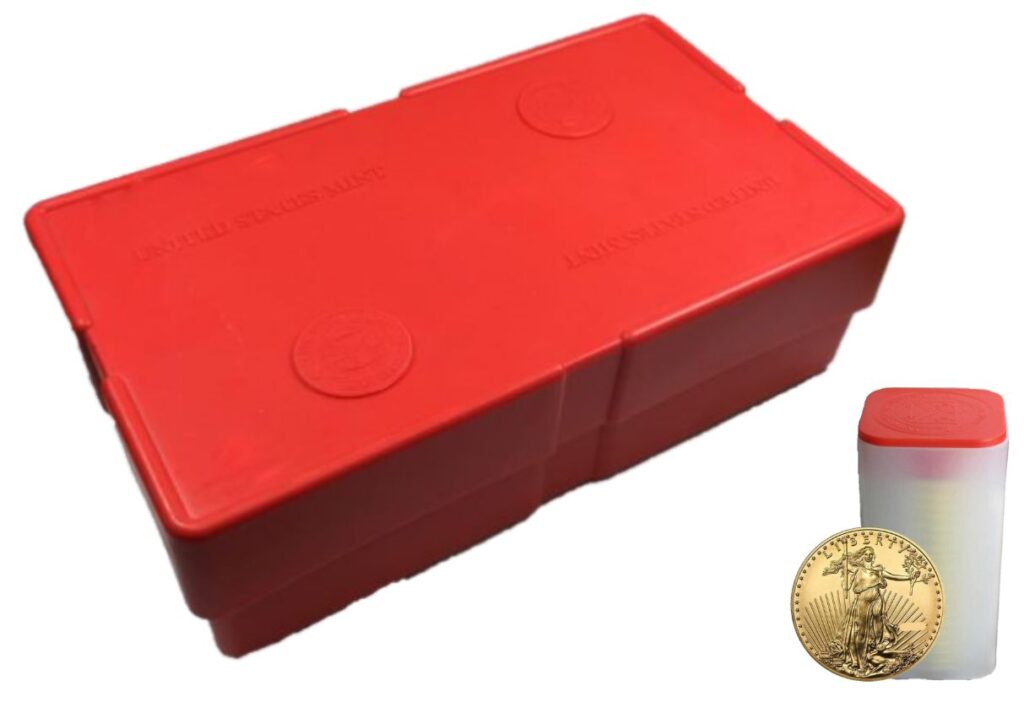
Investors continuously seek out the most efficient and secure methods of acquiring and storing precious metals, such as gold. One such method that stands out for its practicality and prestige is the Gold Eagle Monster Box. This investment vehicle is favored for its combination of bulk storage efficiency and the allure of the iconic Gold American Eagle coins it contains.
What is the Yield Curve? Why is it Important?

The yield curve is a graphical representation that charts the interest rates of bonds with identical credit quality but varying maturity dates. It serves as a snapshot of bond market sentiment, providing insight into how investors feel about current economic conditions and future interest rate movements.
Typically, a yield curve slopes upwards, reflecting higher yields for longer-term investments as a reward for taking on the additional risk of a longer time frame.
Global De-Dollarization: Navigating the Shift

Global de-dollarization refers to the gradual movement away from the predominance of the U.S. dollar in the international financial system. Traditionally, the dollar has held a central position as the world’s reserve currency, facilitating global trade and investment due to its perceived stability and ubiquity. This privileged status has granted the United States numerous economic advantages, including lower borrowing costs and the ability to influence global monetary policy.
What Nickels are Silver?
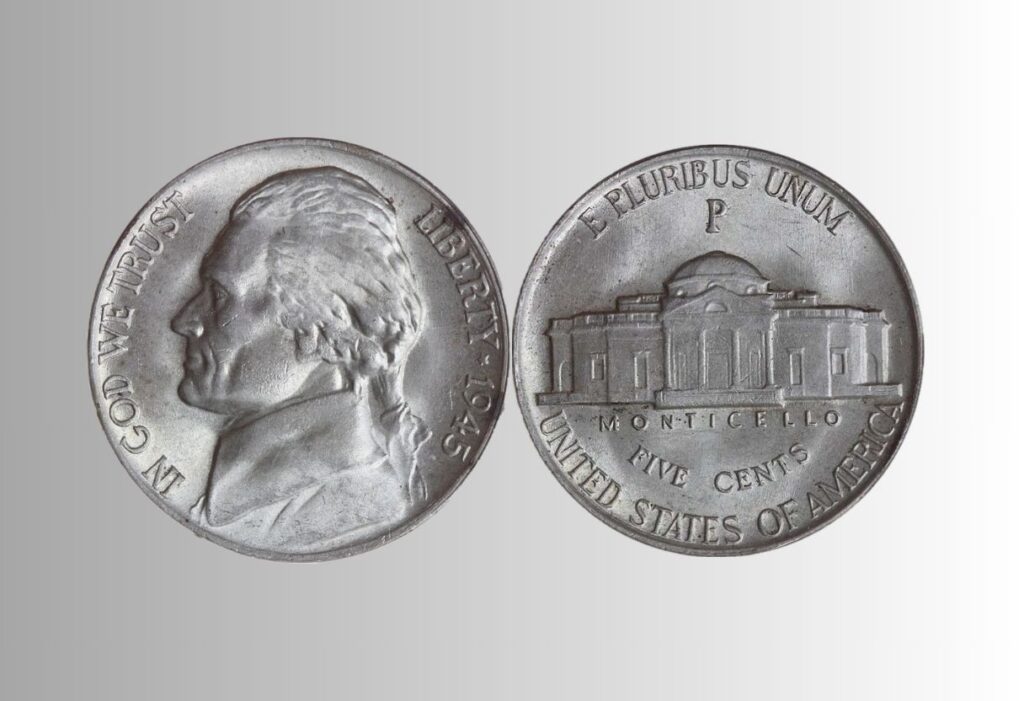
The journey of the United States small coinage has been shaped by both necessity and innovation. From the first five-cent pieces known as half dimes, which were part of the early silver coins struck following the establishment of a national mint, to the introduction of the nickel in the 1860s, the quest for practical currency has never ceased.
Fractional Gold Investing: A Beginner’s Guide
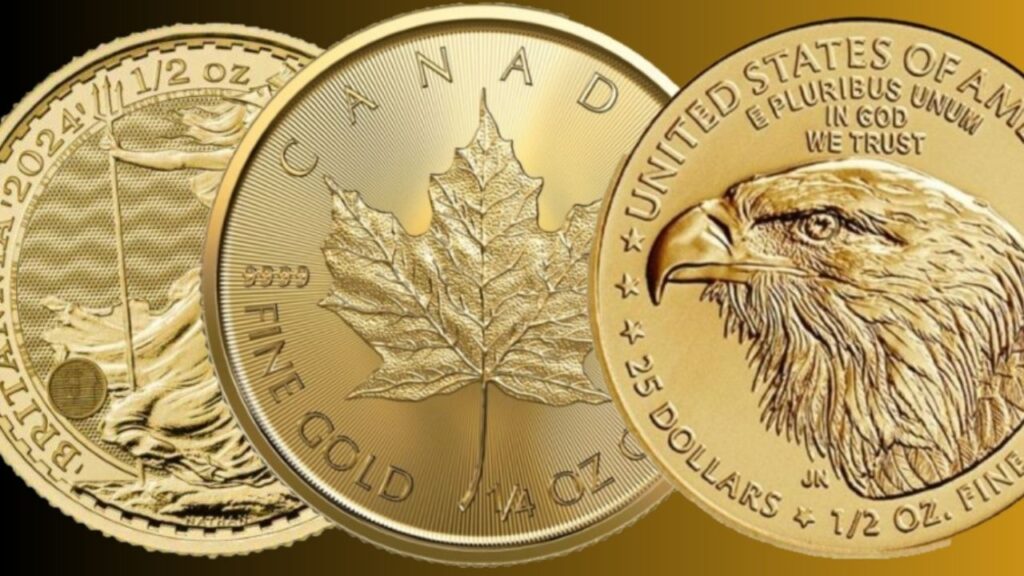
Fractional gold is a form of gold investment that involves purchasing small units of gold instead of traditional, larger bullion bars or full-size coins. This approach allows investors to partake in the gold market at a lower entry cost, making it accessible to a wider range of individuals. Fractional gold comes in various forms, including coins, rounds, and bars, offering flexibility and diversity to investors looking to diversify their portfolios with precious metals.
How Does War Affect the Price of Gold?

The relationship between war and gold prices is as complex as it is fascinating. Historically, gold has been perceived as a safe haven investment during times of geopolitical instability. Wars can lead to economic turmoil, driving investors to seek out reliable stores of value to protect their wealth. In such uncertain times, gold often becomes more attractive, and its price can rise as a result.
Famous Currency Hyperinflations

Currency hyperinflation is an extreme form of inflation that occurs when a country experiences a rapid and uncontrollable increase in the general price level of goods and services in its economy. This economic phenomenon leads to a severe devaluation of the country’s currency as the purchasing power falls dramatically. Hyperinflations are often caused by complex combinations of factors, including excessive money supply growth, loss of confidence in the currency, and significant deficits in government budgets
Fractional Gold Coins for Bartering: A Smart Trade Option?

In times of economic uncertainty, bartering with fractional gold coins gains traction among those looking for tangible trade options. Fractional gold coins, which are smaller denominations of gold bullion, offer an alternative form of currency that transcends the volatility of paper money. Their smaller size makes them accessible to a broader range of investors and traders, enabling transactions of various scales.
What is the Difference Between a Coin and a Round?

Investing in precious metals presents a range of options for those interested in tangible, durable, and historically significant assets. Coins and rounds represent two accessible forms of precious metals that are compact, stackable, and relatively easy to handle and store. Knowing the difference between a coin and a round can help you make better purchase decisions.