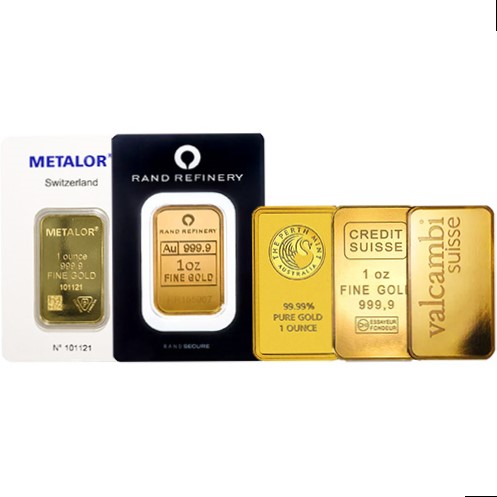
Mounting national debt and rising financial instability have many people asking how to protect their savings. Owning gold is one of the most reliable ways to safeguard wealth during times of economic stress and debt-based collapse. As confidence in paper money and government debt declines, gold often becomes a trusted safe haven for both individual and institutional investors.
A debt-based collapse happens when countries or markets can no longer support their massive debt loads, creating fear and uncertainty. In these moments, gold stands out because it does not depend on the stability of banks, governments, or financial systems. Those who want to avoid the risks of currency devaluation and banking problems are increasingly turning to gold for protection.
The appeal of gold has grown with concerns about national debt and possible defaults. When economic trouble strikes, gold has a strong record of holding its value, making it an important part of a balanced financial plan. Investors see gold as a practical choice to hedge against market shocks and financial crisis, especially as debt worries continue to grow.
Key Takeaways
- A debt-based collapse can threaten paper assets and currencies.
- Gold is a time-tested hedge in periods of financial instability.
- Many investors use gold to help protect their savings during economic trouble.
Understanding Debt-Based Economic Systems

Debt is a key part of how the modern monetary system works. The use of fiat money, ongoing creation of credit, and the actions of central banks all play big roles in shaping the global economy.
Origins of Debt in the Modern Monetary System
Debt has been a foundation of the current monetary system for over a century. Governments, businesses, and individuals borrow money to fund everything from public projects to daily expenses. This borrowing is possible because banks can lend out money that they do not physically have on hand.
Most of the “money” circulating in the economy is actually created as debt. When a bank issues a loan, it does not hand out cash from a vault. Instead, it credits the borrower’s account, which increases the total money supply.
This system means that money and debt are closely linked. If all debt were paid off, only a small portion of the total money would remain in the economy. The credit theory of money points out that without debt, the system would struggle to function.
The Evolution of Fiat Currency
Fiat currency replaced the gold standard during the 20th century. With a gold standard, paper money could be exchanged for a set amount of gold. In a fiat currency system, the value of money is based only on trust and government decree, not on physical assets.
This change gave central banks and governments more flexibility to print money and create credit. The ability to issue money without backing made it easier to react to financial crises and fund budgets. However, it also increased the risk of inflation and made the financial system more reliant on growing levels of debt.
Today’s debt-based economy depends on the constant creation of new debt to keep money flowing. This dependence raises concerns about stability and the risk of a debt-based collapse.
Role of Central Banks in Debt Expansion
Central banks have a major influence on debt levels in the monetary system. They set interest rates, manage the supply of money, and act as lenders to commercial banks and governments. Tools like bond buying (quantitative easing) allow central banks to inject money into the economy, which often leads to more borrowing.
Policies that encourage low interest rates make it easier for individuals, businesses, and governments to take on debt. This fuels economic growth in the short term but also adds to the overall debt load.
Recent decades have seen central banks play a central role in expanding global debt. As a result, economies have become more sensitive to changes in interest rates and credit conditions. The balance between supporting growth and avoiding a debt-based collapse has become more difficult to manage.
Defining Debt-Based Collapse
A debt-based collapse happens when a country or financial system takes on so much debt that it cannot pay back what is owed. This often causes sharp declines in growth, financial crises, and lasting economic damage.
Mechanisms Leading to a Debt Collapse
Debt collapse can start when both government and private sectors borrow too much and cannot manage payments. As total debt levels rise, interest payments grow, making it hard to fund essential services or business operations.
When debt grows faster than the economy itself, negative growth can follow. The cost to borrow rises and trust in a country’s or company’s financial health weakens. If foreign debt is involved, default or restructuring becomes likely, hurting credit ratings and access to money globally. Private sector defaults, falling asset prices, and a wave of bankruptcies can trigger a wider financial crisis, with ripple effects in every part of the economy.
Common triggers include:
- Sudden spikes in interest rates
- Declining tax revenues
- Slowing economic activity
- Loss of confidence among investors
Combined, these factors set the stage for systemic financial stress and potential collapse.
Historical Debt Crises and Lessons Learned
Throughout history, severe debt crises have led to harsh economic outcomes. In the late 2000s, the U.S. faced a financial crisis caused by high levels of private and government debt. Many countries, such as Greece, have faced sovereign debt problems that led to austerity, high unemployment, and negative growth.
From 1970 to 2011, the world saw over 60 major debt crises affecting both developed and developing countries. Each major event showed that unchecked debt build-ups increase risks of default, social upheaval, and sharp drops in living standards.
Key lessons include:
- Monitoring debt-to-GDP ratios is crucial
- Early action can reduce damage
- Maintaining sustainable debt levels helps avoid collapse
Warning Signs of Systemic Collapse
Warning signs before a debt-based collapse can be seen if you know what to watch for. Persistent budget deficits, growing government debt, and swelling private sector loans all hint at underlying problems.
Indicators such as abrupt moves in interest rates, shrinking economic output, and sudden currency drops also signal trouble. According to the World Bank, sharp increases in either public or private debt, especially when combined, raise the chances of a currency or banking crisis the next year.
Other signals include:
- Falling asset prices
- Increased financial stress
- Deterioration in sovereign credit ratings
- Escalating government borrowing needs
Monitoring these signs can help governments, investors, and citizens prepare for the risks associated with a debt-based collapse.
Consequences of a Debt-Based Collapse
A major debt-based collapse can shake the financial system, cause wild swings in currency values, and lead people to lose faith in money itself. When governments and central banks try to fix the damage, the results can be dramatic for savings, investments, and daily life.
Impact on Financial Markets and Currencies
During a debt-based collapse, stock markets and bond markets often fall sharply. This can wipe out retirement savings and lower the value of investments.
Banks, both large and small, may face liquidity problems or even close. Major currencies can lose value quickly if investors rush to sell them and move to safer assets like gold.
In 2011, worries over the U.S. debt ceiling caused a drop in asset prices and lowered business confidence. According to RSM, even a brief debt crisis led to less spending and weaker investment. Panic in the financial markets can also make short-term lending dry up.
Loss of Purchasing Power and Hyperinflation
A government unable to pay its debts might print more money using tools like quantitative easing. This can cause people to lose trust in the currency.
Loss of purchasing power means prices of goods and services rise compared to people’s incomes. If printing money or government borrowing continues unchecked, hyperinflation can happen. In hyperinflation, prices might double or triple in months, making everyday essentials far more expensive.
Some people try to protect themselves by moving their savings out of cash and into gold, land, or other real assets.
Below is a simple comparison:
| Before Collapse | During/After Collapse |
|---|---|
| Stable prices | Sharply rising prices |
| Strong currency | Weak, unstable money |
| Savings hold value | Savings lose value |
Monetary Reset and Policy Responses
When a collapse happens, governments and central banks may try a monetary reset. This could include changing the rules for currencies, revaluing money, or even creating new types of money.
In past crises, leaders have announced new policies, placed limits on bank withdrawals, or pegged currencies to gold or other assets. For instance, they may use quantitative easing to buy up bad debts, or enforce strict spending cuts.
Such moves aim to restore order but can limit access to cash or cause confusion in the paper markets. Policy responses can affect how people use banks, invest savings, or trust their own currency. Some may prefer gold or other physical assets until the system regains stability.
Gold as a Store of Value in Economic Turmoil

Gold has a reputation for holding its worth during unstable financial periods. Its track record shows steady value even as currencies lose strength and other assets drop in price.
Safe Haven Asset Characteristics
Gold is widely seen as a safe haven asset. During stock market slumps or currency devaluations, investors often shift their money into precious metals. This is because gold does not rely on any single government or bank.
People can hold gold in physical possession, such as coins and bars. This can be important when banks face closures or when digital money systems go offline.
Gold is also known for its steady demand. Even during financial crisis, global needs for gold in jewelry, technology, and investing help maintain its price. This separates gold from paper assets that can lose value quickly.
Comparing Gold to Other Hard Assets
Gold stands out among hard assets like real estate or collectibles. Unlike land or buildings, gold is easy to buy, sell, and move. It stores a lot of value in a small amount of weight, making it practical in a crisis.
Physical gold does not depend on complex infrastructure. While stocks and real estate can become hard to turn into cash during emergencies, gold is widely accepted and easy to exchange or sell.
Compared to other precious metals, gold is more recognized and trusted worldwide. Silver, for instance, has industrial uses and can be more volatile in price. Gold’s longstanding reputation for value gives it a unique place as a store of value.
Historical Performance During Crises
History shows that gold often rises or holds steady during times of economic distress. During the Great Depression, gold kept its purchasing power while stocks and cash suffered major losses. Government actions even raised the official price of gold to fight economic collapse, further reinforcing its key role as a stable asset.
In the 2008 recession, gold prices climbed about 30% as people searched for a safer place to put their money. In periods of extreme inflation, such as Germany in the early 1920s, gold protected wealth while most other assets became worthless.
Events like the abandonment of the gold standard in 1933 underline gold’s value when trust in currencies weakens, and highlight why it remains essential in times of crisis.
The Strategic Case for Owning Gold Now
Gold continues to attract investors during times of high debt and shaky markets. Its role as a store of value is especially important as global financial pressures build and traditional assets face increased risk.
Preserving Wealth Amid Financial Uncertainty
High global debt has added strain to financial systems. When countries issue too much debt, market confidence can weaken. Debt concerns have led to faster increases in the price of gold, as seen after the U.S. left the gold standard and national debt grew. Investors use gold to guard their money in these types of environments.
Gold has often outperformed major stock indexes during periods of distress. For example, from 2010 to 2012, gold beat out equities like the S&P 500 when Europe faced a debt crisis and fears rose about the Eurozone’s stability. A similar movement was seen during other stress periods, with gold bullion showing strong returns compared to stocks and U.S. Treasury bonds. This track record highlights gold’s ability to hold value and even grow when other assets struggle.
Protection Against Inflation and Currency Depreciation
Inflation chips away at the real value of money and fixed income investments such as U.S. Treasury bonds. Over the past decades, rising debt and repeated rounds of money printing have made inflation a recurring problem. Gold can defend against these risks because it is not tied to any currency and cannot be inflated by governments.
Data shows that gold prices have tended to rise during long stretches of high inflation, especially since the early 2000s. As central banks increased money supply to manage crises, gold’s price moved up as well, protecting those holding bullion from loss of buying power. This makes gold a reliable shield against both inflation and falling currency values.
Diversification Away from Risk Assets
Most investment portfolios are made up mainly of risk assets like equities and bonds. These assets often lose value at the same time during economic downturns or times of panic. Gold is less connected to such market swings, making it a strong tool for diversification.
Gold’s price does not always move with stocks or bonds, and it can add balance when markets are unstable. Studies of past crises show that gold delivered positive returns while equities and U.S. Treasury bonds sometimes lost money or gave weaker results. Owning gold bullion as part of a portfolio helps smooth out sudden drops from other investments and reduces overall risk, offering steady performance when risk assets become volatile.
The Gold Market and Investment Vehicles

Gold is traded worldwide through different forms, from physical pieces to paper contracts. Each way of owning gold has strengths, weaknesses, and factors that affect its value and how it is bought or sold.
Physical Gold: Coins, Bullion, and Jewelry
Physical gold is bought as coins, bars (bullion), or jewelry. Coins like American Eagles and Canadian Maple Leafs are popular because governments guarantee their weight and purity. Bullion bars come in different sizes, usually from 1 ounce to 1 kilogram, and are valued by weight and purity, not design.
Jewelry has value both as gold and as a crafted item, but usually comes with higher markups and may not always be pure gold. Physical gold can be stored at home or in a vault, but it may require insurance and secure storage. Ownership is direct, so there is no counterparty risk—what someone has in hand belongs to them.
Physical gold often sells at a small premium over market price for minting, shipping, and dealer costs. When selling, individuals may receive slightly below market price.
Paper Gold and Gold-Backed Securities
Paper gold gives investors exposure to gold prices without the hassles of storing real gold. This includes exchange-traded funds (ETFs) like SPDR Gold Shares (GLD), gold mining stocks, and gold futures contracts.
Gold ETFs are shares that track the price of gold but are traded like stocks. These funds usually hold physical gold in vaults, and buyers own fractions of those holdings. Futures contracts let investors bet on gold’s future price, but they can be risky. Gold mining stocks let someone invest in companies that mine gold, rather than the gold itself.
Paper gold investments are easy to buy and sell through stock markets. However, investors do not own actual gold unless the fund allows for physical delivery. Most people never take delivery and only trade the contracts or shares.
Supply, Demand, and Market Dynamics
The price of gold depends on both supply and demand. Major gold producers include China, Russia, Australia, and the United States. The amount of gold mined each year is fairly steady, with small changes due to new mines or lower production when gold prices drop.
On the demand side, central banks, investors, and the jewelry industry drive most buying activity. People often buy more gold in uncertain economic times because it holds value well. Supply can be affected by mining costs, government regulations, and discoveries of new gold deposits.
Market dynamics also include global events, financial crises, and changes in currencies. Gold acts as a safe haven, so when markets are unstable, prices often rise. Supply is limited, but demand can surge quickly, causing sharp moves in the gold market.
For more on how gold is affected by debt, inflation, and world events, see discussions on debt accumulation and gold market trends.
Gold Reserves and Institutional Actions
Gold remains a central asset in the global financial system. Central banks, national gold reserves, and historic sites like Fort Knox play important roles in protecting economies against debt risks and currency instability.
Central Banks’ Role in Gold Accumulation
Central banks around the world continue to buy gold every year. They treat gold as a reserve asset because it provides stability during times of inflation, market panic, or currency devaluation.
While currencies can lose value quickly, the price of gold is less likely to fall during major economic crises. Central banks in countries like China, Russia, and India have been increasing their gold holdings regularly. They do this to diversify away from the US dollar and other currencies, especially when debt concerns are high.
According to recent data, central banks together hold thousands of metric tons of gold. These reserves act as a buffer, which helps protect a country’s financial system from shocks. The steady accumulation of gold by central banks can also signal confidence or concern about the world’s debt and financial outlook.
Significance of National Gold Holdings
The amount of gold a country owns can affect its economic strength. The United States currently holds over 8,100 metric tons of gold, making it the largest holder in the world. This gives the US a financial option during severe crises if it ever needs to use those assets.
Some analysts have noted that the US officially values its gold at just $42 per ounce. This is far below the current market price of around $2,900 per ounce. If the US revalued its gold to market rates, its reserves would be worth much more and could provide some support against its rising national debt.
The current disparity between official and market values has led some to speculate about potential solutions to debt problems. This potential revaluation of gold reserves could change the balance sheets of nations with large holdings.
The Legacy of Fort Knox
Fort Knox is one of the most well-known gold storage facilities in the world. It is located in Kentucky and managed by the United States Department of the Treasury.
Built in the 1930s, Fort Knox’s high-security vaults are designed to hold most of the US gold reserves. While not all of the US reserve gold is stored here, Fort Knox remains a symbol of financial security and national trust. Its role is both practical and historic, as the facility has represented US wealth and safety for generations.
Fort Knox’s strict security measures and limited public access have also added to its reputation. The gold stored here continues to play a key role in America’s financial strategy, especially in times of uncertainty about debt and currency.
Alternative Safe Havens and Their Limitations
Investors often look beyond gold for protection against economic uncertainty. Each alternative safe haven has its unique risks, benefits, and effectiveness, especially when markets are under stress.
Silver and Other Precious Metals
Silver is viewed as a close alternative to gold. It is more volatile, meaning its price can swing sharply in response to global economic events. While silver has industrial uses, making its demand sensitive to economic slowdowns, some see this as a drawback during market crises.
Other precious metals like platinum and palladium have shown some hedging characteristics. However, according to findings from the metal markets, their safe-haven appeal is limited and mainly tied to specific market conditions.
During recent crises, these metals did not consistently protect against large drops in stock prices. Unlike gold, investors in these metals might face higher risks and less predictable gains.
Table: Precious Metals Compared
| Metal | Volatility | Industrial Use | Safe Haven Reliability |
|---|---|---|---|
| Gold | Low | Low | High |
| Silver | High | High | Moderate |
| Platinum | High | High | Low |
Bitcoin and Digital Assets in Perspective
Bitcoin and other digital assets have gained attention as potential substitutes for traditional safe havens. Many are drawn to their decentralized nature and capped supply, expecting these features to shield value during turmoil.
Research shows, however, that Bitcoin acts more like a high-risk investment than a stable haven during crises. Its price fell sharply during major market shocks, including the early phase of the COVID-19 pandemic. Market movements are often driven by speculation and regulatory changes, making it less reliable under stress.
While digital assets may play a role in portfolio diversification, their unpredictable swings and uncertainty about regulation make them a risky choice compared to traditional safe havens like gold.
U.S. Treasuries and Government Bonds
U.S. Treasuries and government bonds have long been used for capital preservation. They are considered almost risk-free because repayment is backed by governments, especially the U.S. government.
In the past, U.S. Treasuries were seen as the safest asset, but recent research shows their safe-haven status has weakened, especially during periods of increasing government debt and global financial stress.
Rising debt levels can lead to concerns about inflation or default, which may reduce the safety of government bonds. Investors should weigh the impact of government policies and changing market views as they consider government debt as an alternative to gold.
Risks, Challenges, and Considerations for Gold Owners
Gold offers unique advantages, but it is not without risks or complications. Investors should pay careful attention to price changes, how they store their gold, and the different rules for buying, selling, and holding precious metals.
Market Volatility and Price Fluctuations
The price of gold can rise and fall based on global events, changes in currency values, or even political uncertainty. Severe market shifts often lead to sudden spikes or drops in gold prices. For example, times of debt crisis or financial instability tend to push gold prices higher, as gold is seen as a “safe haven”.
However, gold does not always move in one direction. Past events have shown that price corrections can occur after surges, which can catch new investors off guard. Owners must be prepared for both short-term price drops and long periods where gold’s value barely changes.
Below is a summary of potential factors impacting gold prices:
| Factor | Effect on Price |
|---|---|
| Financial crises | Often increases |
| Strong US dollar | Often decreases |
| Interest rate changes | Can raise/lower price |
| Geopolitical tension | Often increases |
Understanding these factors helps investors predict changes, though no prediction is certain. Gold’s value protection over the long term is well-documented, but timing purchases matters.
Storage, Security, and Physical Possession
Physical gold comes in different forms like bars, coins, and jewelry. Owners must consider where and how to store their holdings. Keeping gold at home is possible, but it brings risks like theft, fire, or accidental loss.
Using a bank safe deposit box provides security but often comes with annual fees. Some investors use private storage facilities that offer insurance and security. Insurance can protect against loss, but coverage terms vary by provider.
Physical possession also means keeping track of documents such as receipts and certificates of authenticity. Losing these can make it much harder to sell or prove ownership later. Regular audits and keeping inventory records help maintain control and security.
Regulatory and Tax Implications
Gold ownership is subject to various government rules. In many countries, gold purchases above a certain amount must be reported. When selling, owners may face capital gains taxes if the price of gold has increased since the original purchase.
Tax rates depend on location and holding period. For example, in the United States, gains on physical gold are taxed at a higher collectibles rate compared to stocks. Record-keeping is important for tax reporting. This includes sale dates, purchase prices, and details about the physical possession of the assets.
Certain types of gold investments, such as exchange-traded funds (ETFs), may have different tax rules than owning coins or bars. It is important for each investor to check local regulations before making any large purchases. Staying informed helps avoid unexpected costs or legal trouble.
Expert Opinions and Forward-Looking Perspectives
Gold becomes more attractive during periods of high debt and shaky economies. Experts and analysts offer clear reasons why, especially as financial risks grow.
Insights from Francis Hunt and Industry Analysts
Francis Hunt, a well-known financial educator, often points to rising debt as a major risk for global markets. He highlights that when countries borrow too much, they may struggle to pay it back, which can lead to lost confidence in paper money.
Industry analysts back up this view. They note that a debt crisis can quickly reduce the value of national currencies. In times like these, gold is seen as a safe asset that does not depend on any government.
Key Points from Experts:
- Large public and private debts put pressure on the banking system.
- Interest rate hikes may happen to control inflation, but this can raise debt costs.
- Gold keeps its value when trust in central banks or fiat money drops.
When global debt rises, gold tends to perform better as investors look for protection.
Assessing the Future of Gold Investment
Higher levels of public debt and slow economic growth make many people rethink how to protect their savings. The risk of a debt-based collapse makes gold more appealing.
Gold’s value has proven stable over long periods. It does not rely on the health of any single economy. When stock markets become risky, or when there is talk about government defaults, gold often sees renewed interest from investors.
Advantages of Owning Gold:
- Acts as a hedge during financial panic or currency devaluation.
- Holds up during global debt crises and trade disruptions, such as tariffs.
- Simple to buy and securely hold, compared to some other assets.
Recent global events suggest that the trend for higher gold demand could continue if economic stress increases.
Policy Developments and Economic Outlook
Key policy choices, like interest rate moves and tariff changes, shape the global debt picture. In 2025, experts at Davos shared concerns about rapid debt growth and how it ties back to economic risk.
Higher tariffs can affect trade and reduce growth, which may force countries to borrow even more. Increased debt can weaken a country’s currency, again strengthening the case for gold ownership.
Impact of Economic Conditions and Policies:
- Countries facing higher debt loads may struggle to balance budgets.
- Tariff policies can spark uncertainty for investors, leading them to safer assets like gold.
- Experts warn that without policy changes, public debt problems may grow sharper, threatening the stability of money and markets.
Frequently Asked Questions
Debt-driven collapses can impact global economies, pushing investors to seek safer assets. Gold is often viewed as a reliable store of value during economic stress and periods of high inflation.
How can a debt-based financial collapse impact the global economy?
A major debt crisis can lead to falling currencies, higher inflation, and loss of confidence in financial systems. Countries with heavy debt loads may face recession, rising unemployment, and unstable markets.
Investors may move money away from riskier assets like stocks and into alternatives such as gold, which is not tied to government currencies or debt.
What are the historical precedents for turning to gold during economic downturns?
During economic crises like the Great Depression or hyperinflation periods, people turned to gold to preserve wealth. When paper currencies lost value, gold remained valuable and often increased in price.
In more recent times, financial instability has continued to drive demand for gold as a dependable asset during economic shocks.
In what ways can gold serve as a hedge against inflation and currency devaluation?
Gold often keeps its value even when currencies lose purchasing power. When inflation rises, the price of gold tends to go up as investors seek protection from eroding currency value.
In cases where the US dollar declines, gold usually becomes more attractive as a safe-haven asset, offering stability.
What are the long-term benefits of investing in gold amidst a volatile economic climate?
Gold does not carry credit risk and is accepted everywhere, making it a useful asset for long-term protection. It can help balance a portfolio during market downturns and financial crises.
Some analysts project that gold could reach higher price targets during periods of high demand and uncertain economic conditions.
How do central bank policies influence the decision to invest in gold?
Central banks often buy gold to strengthen their reserves, especially during uncertainty. When these institutions signal loose monetary policies or increase debt, the value of currencies can fall and gold demand may rise.
Interest rate policies also affect gold—lower rates can make non-yielding assets like gold more appealing compared to bonds or savings accounts.
What practical steps should investors take to incorporate gold into their investment portfolio?
Investors often diversify by adding a percentage of gold to their portfolio, either through physical gold, gold ETFs, or mining stocks. The proportion chosen depends on risk tolerance and investment goals.
It is important to research secure storage options, understand fees, and consider how gold fits with other investments to limit overall risk.
Recommended products
-

1 Gram Heraeus Gold Bar
$194.54 Validate Your Address -

American Gold Eagle 1/10 oz 2025
$533.80 Validate Your Address -
American Gold Eagle 1 oz 2025
$4,648.18 Validate Your Address -

1 oz Gold Bar (any mint, varied condition)
$4,717.94 Validate Your Address -
1 oz Valcambi CombiBar (10 x 1/10 oz w/ assay, serial numbered)
$4,671.10 Validate Your Address -

1 Kilo Gold Bar (any mint, varied condition)
$142,726.22 Validate Your Address