If the Fed cuts rates, you should expect gold to become more attractive as a non-yielding asset because lower interest rates reduce the opportunity cost of holding it. A Fed rate cut typically lifts gold prices in the near term by narrowing the income gap between cash or bonds and bullion, though the size and duration of the rally depend on inflation expectations and the Fed’s future path.

You’ll explore how immediate market pricing, inflation signals, dollar moves, and global reactions shape gold’s short- and long-term performance after a cut. The rest of the article breaks down the mechanics, key economic drivers, investment tactics to consider, and the risks that can complicate what might seem like a straightforward relationship.
Understanding the Relationship Between the Fed and Gold

You need to know how Fed rate moves change gold’s appeal, how broader monetary policy shapes demand for precious metals, and what history shows about their link. These factors determine whether gold rises as a hedge, falls on opportunity cost, or moves for other reasons.
How Federal Reserve Rate Cuts Influence Gold Prices
When the Fed cuts the federal funds rate, real yields on Treasury securities often fall if inflation expectations remain steady. Lower real yields reduce the opportunity cost of holding non-yielding gold, which typically increases investor demand and supports higher prices.
Rate cuts also tend to weaken the U.S. dollar because lower U.S. returns make dollar assets less attractive to foreign investors. A softer dollar raises the dollar-denominated price of gold, drawing buying from international holders and commodity funds.
Expect timing and magnitude to vary. Immediate market reactions can be muted if cuts are already priced in. Larger or unexpected cuts tend to produce stronger and quicker gold rallies, especially if cuts signal future inflation or economic weakness.
Monetary Policy and Precious Metals
Monetary policy shapes liquidity, inflation expectations, and real interest rates — the main drivers of precious metal demand. Quantitative easing increases central bank balance sheets and broad money; that can boost gold as an inflation hedge or store of value when confidence in fiat currency erodes.
You should watch three policy channels: nominal rate changes, balance-sheet expansion/contraction, and forward guidance. Rate policy affects yields and the dollar. Balance-sheet actions change liquidity and market risk appetite. Forward guidance alters expectations, which often move gold before actual policy changes occur.
Institutional buyers, ETFs, and central banks respond differently to each channel. ETFs react quickly to flows; central banks adjust reserves more slowly, often buying during periods of long-term uncertainty or currency diversification.
Historical Correlation Between Interest Rates and Gold
Historical episodes show a recurring pattern: sustained periods of falling real rates tend to coincide with rising gold prices. For example, gold appreciated in the 2008–2011 inflationary and post-crisis era as real yields dropped and central banks expanded balance sheets.
But the relationship is not perfectly inverse. There are periods when gold rose despite rising nominal rates because inflation expectations outpaced yields, or safe-haven demand from geopolitical risk dominated. Short-term divergences occur when market sentiment, supply factors, or technical trading outweigh macro signals.
Use correlation as a rule-of-thumb rather than a deterministic model. Track real yields, inflation breakevens, and dollar moves together; those three indicators give the clearest historical signal for how gold is likely to respond to Fed policy.
Immediate Effects of a Fed Rate Cut on Gold
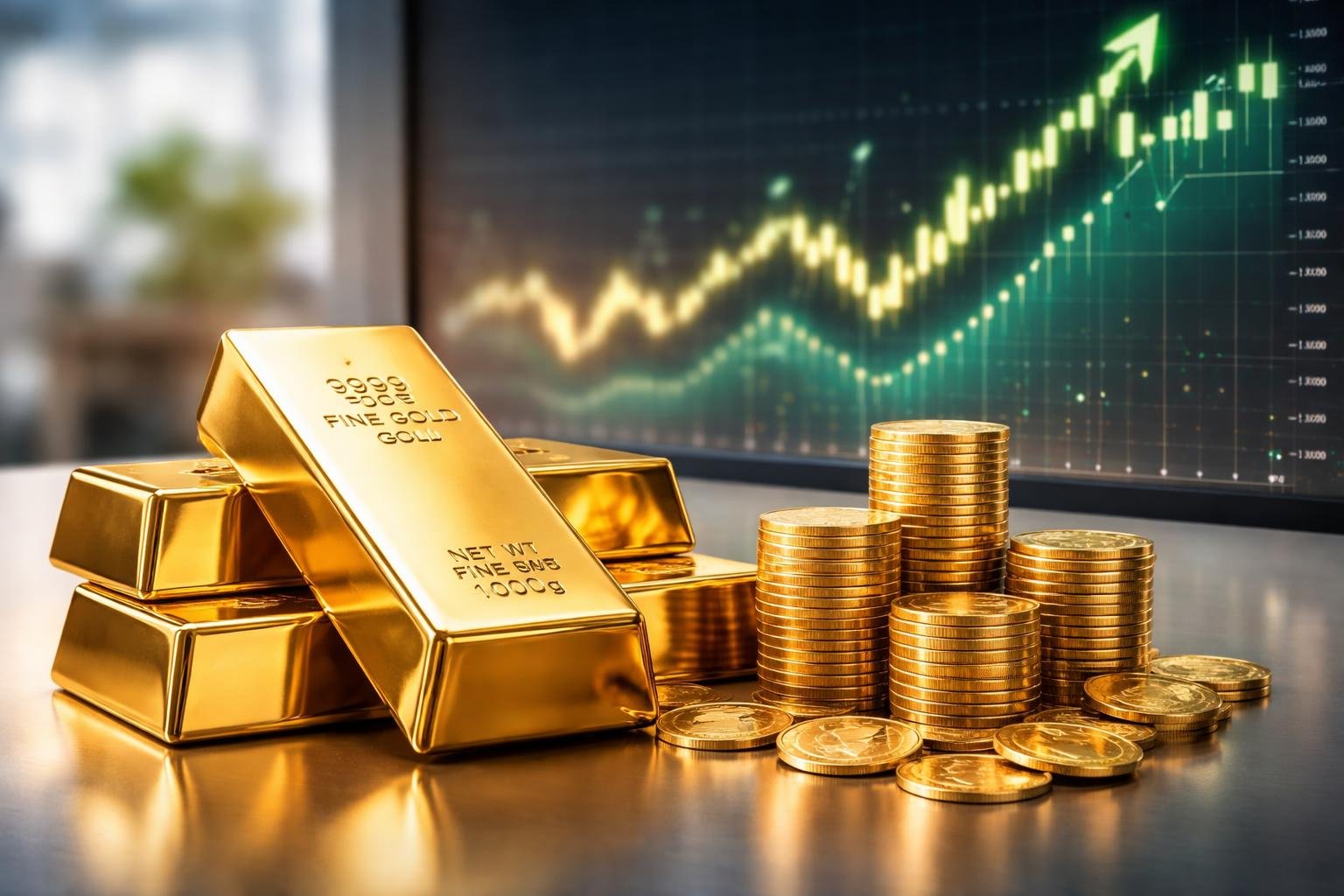
A Fed rate cut typically weakens the dollar, lowers real yields, and shifts investor demand toward non-yielding assets like gold. These forces act quickly but not uniformly across spot, futures, and short-term trading behavior.
Impact on Gold Spot Prices
You will usually see spot gold rise within hours to days after a rate cut, especially if the cut surprises markets or signals more easing to come. A weaker dollar makes dollar-priced gold cheaper for holders of other currencies, increasing physical and ETF demand.
Lower real yields reduce the opportunity cost of holding gold, which supports higher spot prices. If inflation expectations remain elevated, that effect strengthens demand further. Conversely, if the cut reflects a sudden growth shock and triggers risk-off selling, spot gains can be muted or reversed briefly.
Reactions in Gold Futures Markets
Futures markets react swiftly, pricing in expected path of Fed policy and forward real rates. You should expect front-month contracts to gap up when traders adjust carry and funding assumptions.
Positioning shifts—funds flipping from short to long—can amplify moves, while calendar spreads may widen if the market prices multiple cuts. Liquidity in distant contracts often thins, increasing the cost of hedging. Watch open interest and volume: rising open interest with higher prices suggests new buying, whereas falling open interest indicates short-covering.
Short-Term Volatility and Investor Behavior
Volatility typically spikes around the announcement and the Fed’s accompanying statement or press conference. You will see rapid intraday swings as traders parse rate magnitude, future cut odds, and Powell’s tone.
Retail flows into gold ETFs can accelerate immediately, while institutional players may rebalance allocations to bullion, miners, or options. Safe-haven demand can surface if the cut signals weaker growth; speculative flows increase if the market reads cuts as inflationary. Monitor VIX, dollar index, and real yields to gauge which motive dominates.
Long-Term Impacts on the Gold Market
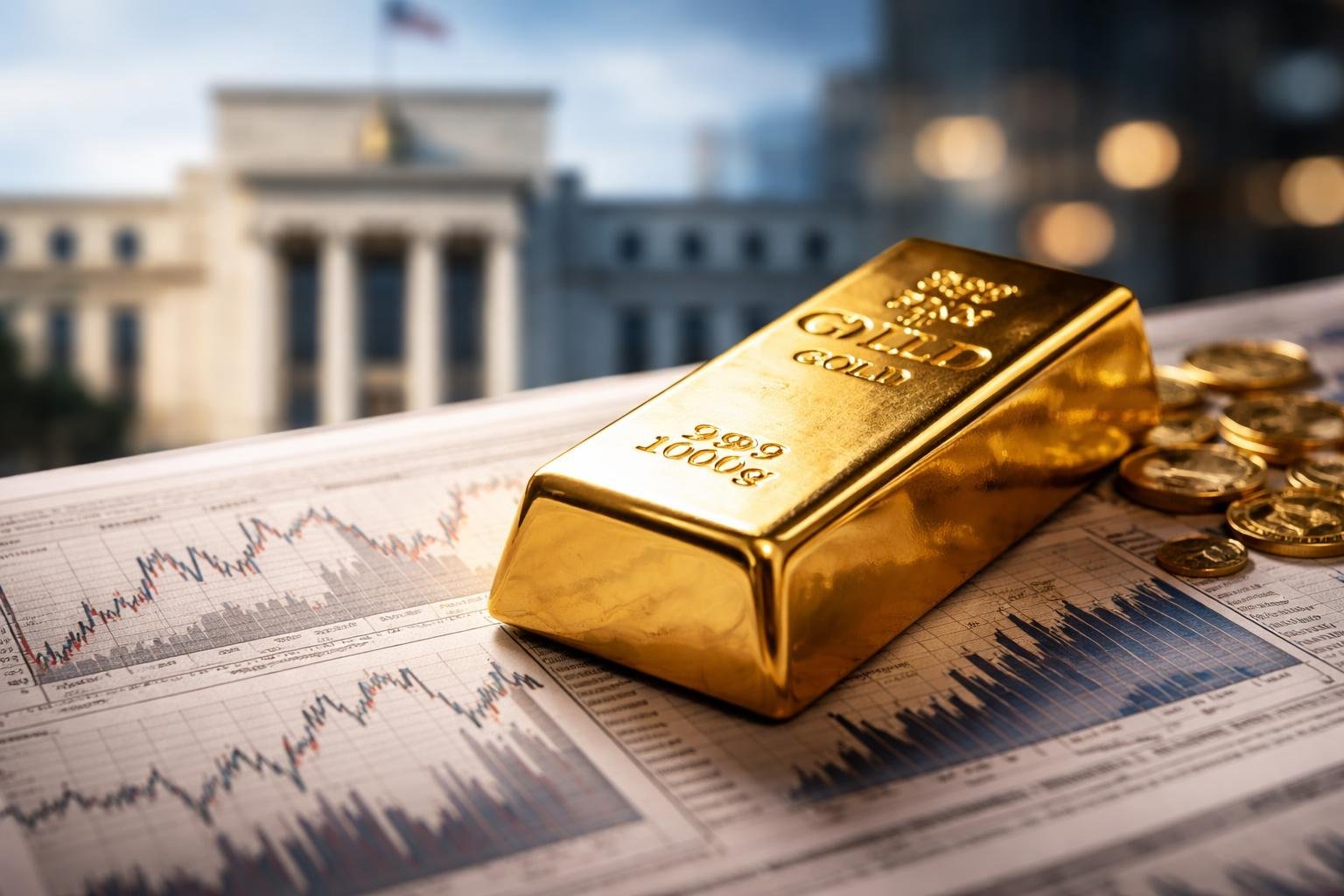
Gold tends to benefit when real interest rates stay low, the dollar weakens, and inflation expectations remain elevated. These forces shape demand, portfolio roles, and mining-equity performance over multiple years.
Trends in Gold Demand After Rate Cuts
When the Fed cuts rates and real yields fall, investment demand for gold typically rises. Exchange-traded fund (ETF) flows often increase as yield-bearing alternatives become less attractive, and you may see central banks continue buying gold to diversify reserves.
Physical demand shifts too. Consumer buying—jewelry and coins—depends on regional income and price momentum; Indian and Chinese seasonal demand can amplify rallies. Hedge buying by institutions appears when inflation expectations climb above nominal rates, which makes gold more appealing as an inflation hedge.
Watch for timing differences: price moves can be front-loaded as markets price cuts, while sustained demand growth requires continued low real rates or weaker dollar support.
Portfolio Diversification with Gold
You should treat gold as a non-correlated ballast rather than a growth engine. Historically, a 5–10% allocation to gold in balanced portfolios has reduced volatility and improved drawdown protection during equity or currency stress.
Consider the following practical settings:
- Tactical: 5–10% when real yields decline or geopolitical risk rises.
- Strategic: 2–5% as long-term insurance against monetary debasement.
Rebalance rules matter. If gold outperforms and exceeds your target allocation, trim into strength and redeploy to underweight assets. Use liquid instruments (ETFs, futures) for flexibility, and keep an eye on costs—storage, insurance, and ETF fees—that can erode long-term returns.
Influence on Mining Stocks
Lower rates and higher gold prices generally improve miner cash flows, but effects vary by company. Producers with low all-in sustaining costs (AISC) and strong balance sheets benefit most because higher margins translate directly into free cash flow and capital return potential.
Exploration and junior miners react differently. Rising prices boost funding and M&A activity, increasing potential upside but also raising speculative risk. Investors should assess:
- Cost structure (AISC),
- Balance-sheet leverage,
- Project pipeline and jurisdictional risk.
Expect tighter correlation between bullion and majors initially; juniors may lag until funding and geological results validate valuation.
Economic Factors Affecting Gold During Rate Cuts
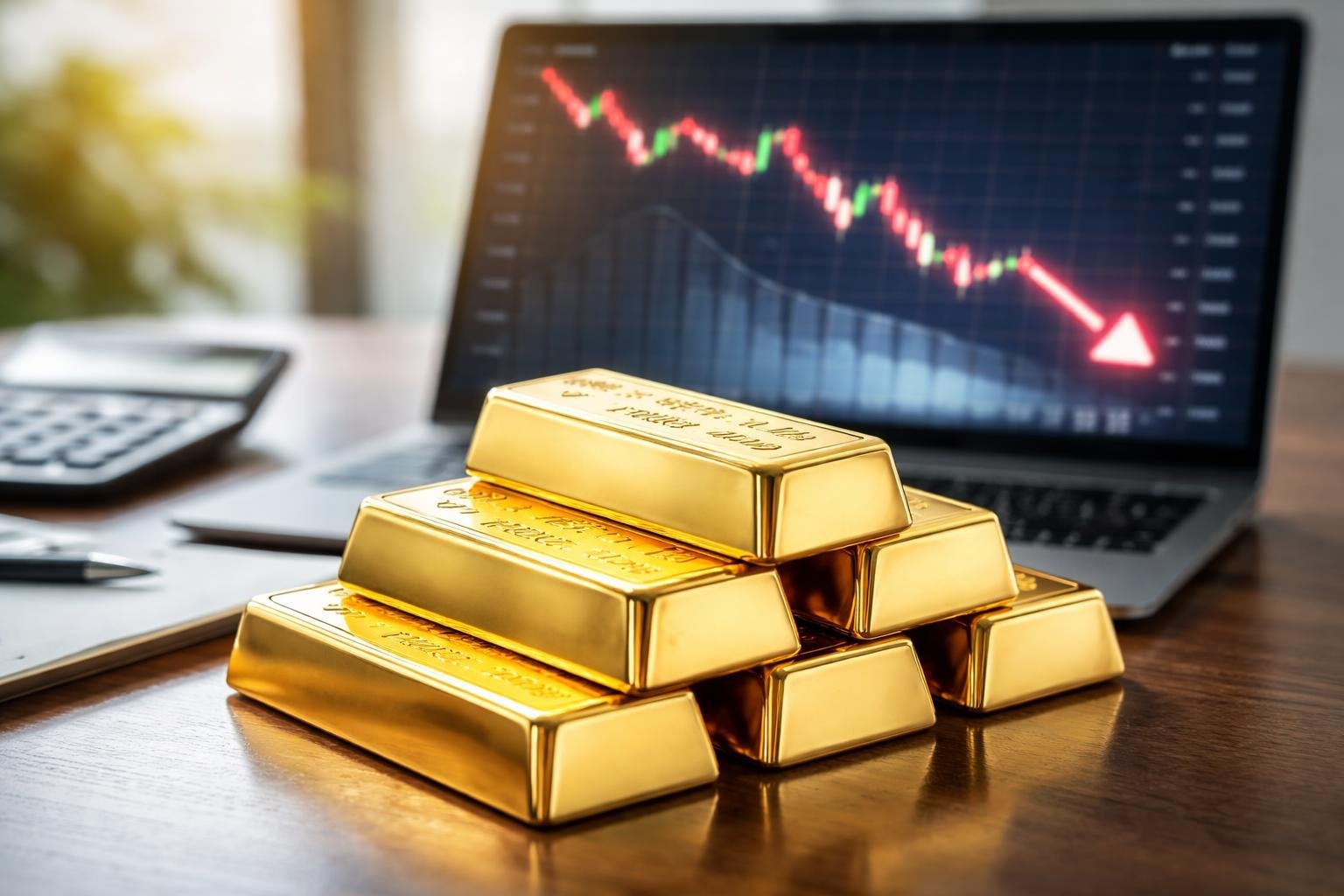
Rate cuts change incentives across currencies, real yields, and investor demand, which in turn drive gold’s price moves. Expect shifts in the dollar and inflation expectations to be the primary forces that determine whether gold rallies or stalls.
US Dollar and Currency Fluctuations
When the Fed cuts rates, the U.S. dollar often weakens versus other major currencies because lower U.S. yields reduce demand for dollar-denominated assets. A softer dollar makes dollar-priced gold cheaper for holders of euros, yen, and other currencies, which tends to increase foreign buying and support gold prices.
Watch the magnitude and pace of dollar moves. A modest, gradual depreciation can lift gold steadily, while a rapid dollar drop during risk-off episodes may produce sharper, short-lived spikes. Also monitor relative rate expectations: if other central banks cut at similar speeds, the dollar may not fall much and gold’s gain can be limited.
Inflation Expectations and Gold’s Appeal
Gold responds most strongly when rate cuts coincide with rising consumer prices or weakening real (inflation-adjusted) yields. If cuts lower nominal yields faster than inflation slows, real yields fall and gold’s opportunity cost declines, making it more attractive as an inflation hedge and store of value.
If inflation is cooling and cuts reflect growth concerns rather than persistent price pressure, gold’s upside may be muted. In that scenario, investors may prefer yield-bearing assets once growth stabilizes, reducing immediate demand for the metal. Monitor breakeven inflation rates and real Treasury yields to gauge how much rate cuts will boost gold’s appeal.
Global Response to Fed Rate Adjustments
Expect a mix of reserve reallocation, shifts in import/export hedging, and central bank buying patterns that directly affect local gold markets and currency dynamics.
International Central Banks and Gold Demand
When the Fed cuts rates, many central banks reassess reserves to protect purchasing power. You may see emerging-market central banks increase gold purchases to diversify away from a weaker dollar and to hedge against local currency depreciation. Major holders like China and India often time incremental buying to smooth balance-sheet effects rather than make large, sudden moves.
In advanced economies, central banks typically act more slowly. They evaluate inflation expectations and real yields before altering gold allocations. You should watch official reserve reports and auction activity from national banks for early signals of increased demand.
Key drivers you should monitor:
- changes in reserve composition reported monthly or quarterly;
- public statements by central bank governors on currency risks;
- bilateral currency swaps that reduce the need for dollar reserves and can indirectly affect gold demand.
Capital Flows Into International Gold Markets
A U.S. rate cut tends to weaken the dollar and lower real yields, prompting cross-border capital to seek gold as an uncorrelated asset. You will often see increased ETF inflows in Europe and Asia, rising futures positions in major exchanges, and higher physical demand in gold-consuming markets.
Pay attention to these measurable indicators:
- net ETF flows (daily/weekly) showing investor allocation shifts;
- futures open interest and basis differentials indicating speculative vs. physical demand;
- premiums or discounts in regional bullion markets (e.g., Shanghai vs. London) that signal supply strain or transport delays.
These signals let you differentiate between transitory trading flows and sustained allocation changes by sovereigns or large institutions.
Investment Strategies for a Rate Cut Environment
Expect lower short-term yields, a softer dollar, and greater sensitivity of gold to real interest rate changes. Focus on when to add gold, how much to hold, and ways to limit downside while keeping liquidity.
Tactical Allocation to Gold
Increase exposure gradually rather than making a single large purchase. Consider adding 2–5% of portfolio value to physical gold or allocated ETFs when the Fed signals a cut; raise to 5–10% if cuts accelerate or inflation expectations rise.
Use staggered buys — for example, three equal purchases spaced over 4–8 weeks — to smooth entry risk and capture any near-term volatility.
Choose vehicle by purpose: physical bullion or allocated storage for long-term inflation hedge; ETFs (GLD, IAU) for liquidity and ease of trading; gold mining equities or royalty companies for leverage but accept higher volatility.
Monitor real yields: if nominal yields fall but inflation expectations rise, that typically supports stronger gold returns and justifies moving toward the higher end of your target allocation.
Risk Management Approaches
Cap concentration: never let precious metals exceed your pre-set maximum allocation (commonly 10–15% for diversified portfolios). Use position-size rules and automatic alerts to prevent emotional overweights.
Hedge currency exposure if you hold non-dollar gold instruments and you expect a weaker dollar to drive price changes; consider small FX hedges or USD-based ETFs to control currency-driven variance.
Set stop-loss or rebalancing triggers tied to objective signals, not headlines. For example, rebalance when gold rises or falls by 10–15% versus your buy price, or when the fed funds futures market shifts probability of additional cuts by a defined margin.
Stress-test scenarios annually: simulate sharper-than-expected inflation, rapid rate re-tightening, and geopolitical shocks to ensure your gold position supports—not destabilizes—your broader goals.
Potential Risks and Market Uncertainties
A Fed rate cut can trigger fast-moving shifts in sentiment, liquidity, and positioning that affect gold. You should watch for volatility from speculative flows and for abrupt policy reversals that can unwind trades.
Market Speculation and Price Swings
Speculative traders and momentum funds can magnify gold moves after a rate cut. Short-term positioning often increases: leveraged long bets build if traders expect lower real yields, and rapid inflows into ETFs can push prices higher quickly. That creates two-sided risk—sharp rallies may attract profit-taking and quick reversals when traders close positions.
Liquidity conditions matter. Thin trading during off-hours or around macro releases can widen bid-ask spreads and amplify intraday swings. You should monitor futures open interest, ETF flows, and options-implied volatility as real-time indicators of speculative pressure.
Sentiment can overshoot fundamentals. If markets price in aggressive, continuous easing, gold could spike beyond justified levels and then correct when data or Fed communication tempers expectations. Managing position size and using stop-loss or hedging strategies helps limit downside from speculative whipsaws.
Policy Reversals and Their Impact
A policy reversal—timing or pace of further cuts differing from expectations—can quickly change gold’s trajectory. If the Fed signals a pause or re-tightening because inflation reaccelerates, real yields can rise and pressure gold prices downward. You should follow Fed minutes, dot plots, and Powell’s comments closely for signs of shifting intent.
Cross-market interactions amplify effects. A stronger dollar following a hawkish surprise reduces gold’s dollar-denominated demand, while rising bond yields increase the opportunity cost of holding non-yielding bullion. Conversely, dovish surprises can cut real yields and lift gold, but only while the shift looks sustainable.
Prepare for asymmetric outcomes. Markets often price extreme scenarios; a sudden inflation shock or unexpected labor data can force rapid policy reversals and large flows out of gold. Use staggered entries, liquidity buffers, and clear exit rules to navigate such regime shifts.
Conclusion
You should expect rate cuts to make gold relatively more attractive than low-yield cash and short-term bonds. Lower real yields and a weaker dollar often remove barriers that have kept gold from rising.
Gold’s response will not be uniform or immediate. Prices can rally quickly on anticipation, pause during profit-taking, or drift higher over months as inflation expectations and risk sentiment evolve.
Consider how your timeframe and risk tolerance shape decisions. Short-term traders may react to Fed signals and market positioning, while longer-term holders focus on inflation hedging and portfolio diversification.
Keep these practical points in mind:
- Watch real interest rates — declining real yields tend to support gold.
- Monitor the dollar — a softer dollar usually helps gold prices.
- Factor in risk sentiment — demand for safe assets can amplify moves.
You should use gold strategically, not as a guaranteed hedge. Combine macro signals, your investment horizon, and position sizing rules before acting.