Coins and rounds are both popular forms of precious metal investments, but they serve different purposes and carry distinct characteristics. The key difference is that coins are officially minted by governments and often have legal tender status, while rounds are privately produced bullion pieces without any legal tender designation. This distinction affects their design, pricing, and recognition in the market.
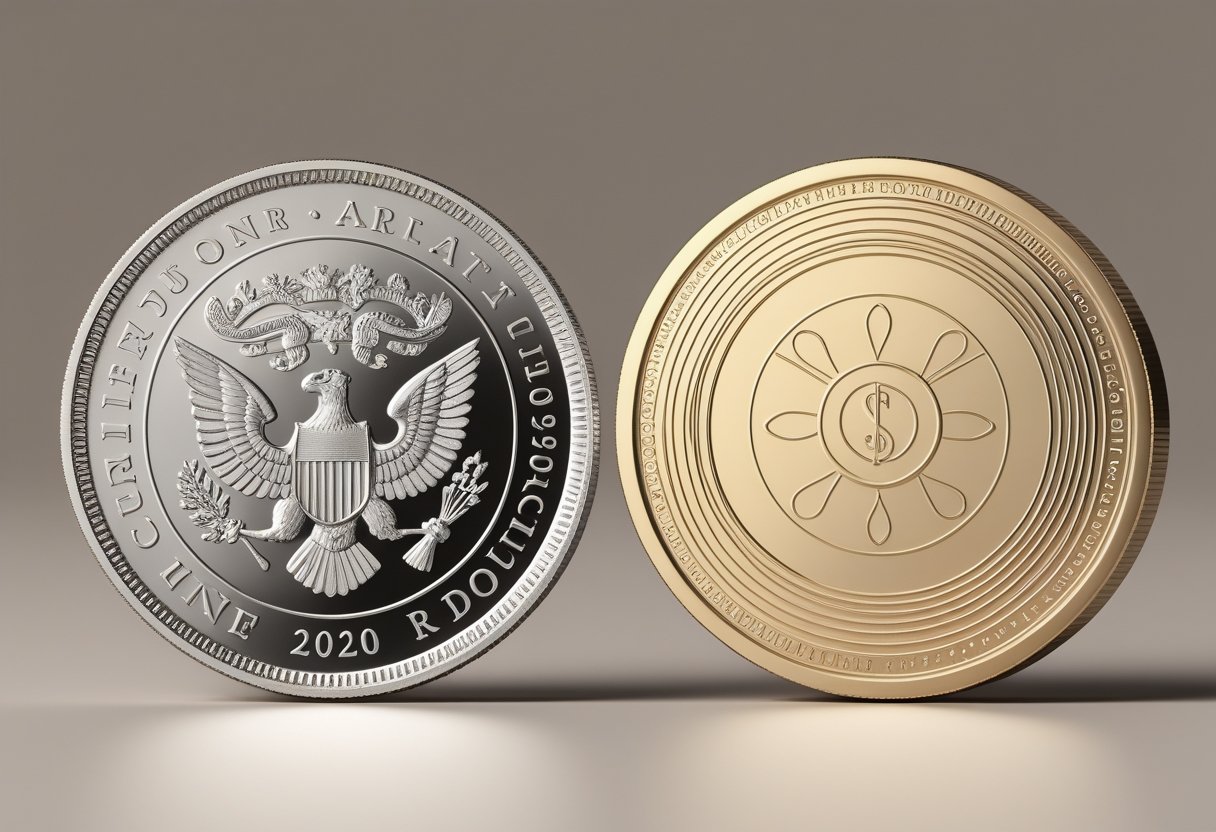
Coins typically feature detailed designs, official markings, and carry a premium over spot metal prices due to their government backing and collectible value. Rounds, on the other hand, are generally simpler in design, often replicating popular themes but without government authorization, making them more focused on metal content than official status.
Understanding these differences is essential for anyone looking to invest in or collect precious metals. It helps clarify why coins sometimes command higher prices and appeal to collectors, while rounds offer a more straightforward option for those prioritizing metal weight and value.
Defining Coins and Rounds
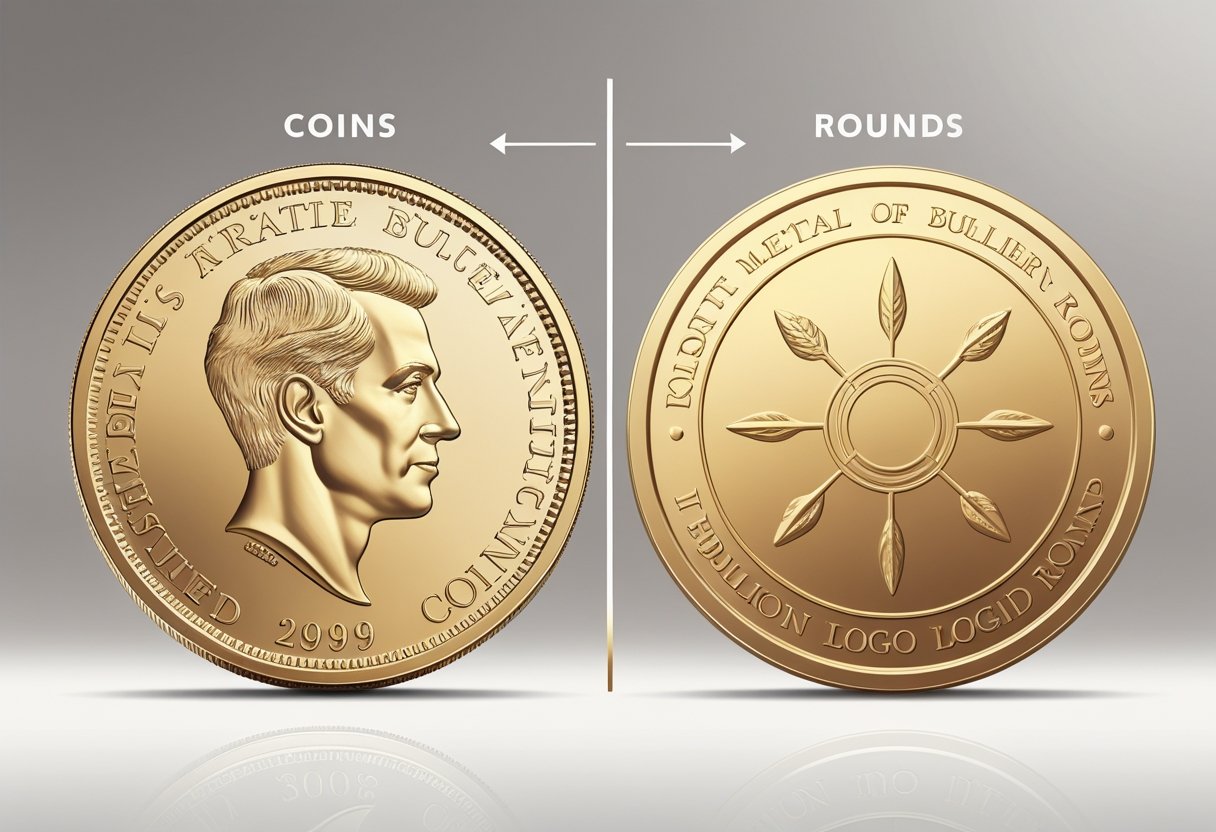
Coins and rounds are two popular formats for precious metals investing and collecting. They differ primarily in their origin, design, and legal status, while sharing common physical traits such as size and shape.
What Are Coins?
Coins are government-issued pieces of precious metal, typically produced by official mints. Each coin carries a legal tender status, meaning it has a face value and is recognized as currency by the issuing country.
They often feature specific designs related to national symbols, historical figures, or landmarks. The weight and purity of coins are strictly regulated, ensuring consistent quality and authenticity.
Collectors and investors value coins for their official backing, which can also affect their resale premiums. Examples include the American Gold Eagle, Canadian Maple Leaf, and South African Krugerrand.
What Are Rounds?
Rounds are privately minted pieces of precious metal, similar in shape to coins but without government authorization or legal tender status.
They usually carry designs chosen by the private mint, which can vary wildly, often focusing on themes appealing to collectors or investors. Rounds do not have an official face value.
While rounds are typically made to specific weights and purities, these can differ slightly between producers. They generally trade at or near the spot price of their metal content, often at lower premiums than coins.
Common Materials Used
Both coins and rounds are most commonly made from precious metals such as gold, silver, platinum, and copper.
- Gold: Popular for higher-value units like 1 oz or fractional sizes such as 1/10 oz.
- Silver: Widely used for 1 oz rounds and coins, favored for affordability.
- Platinum and Copper: Less common but available depending on market demand and mint focus.
Precise weight and metal purity, such as .999 fine silver, are standard across both formats to ensure value and consistency for buyers and sellers.
Key Differences Between Coins and Rounds
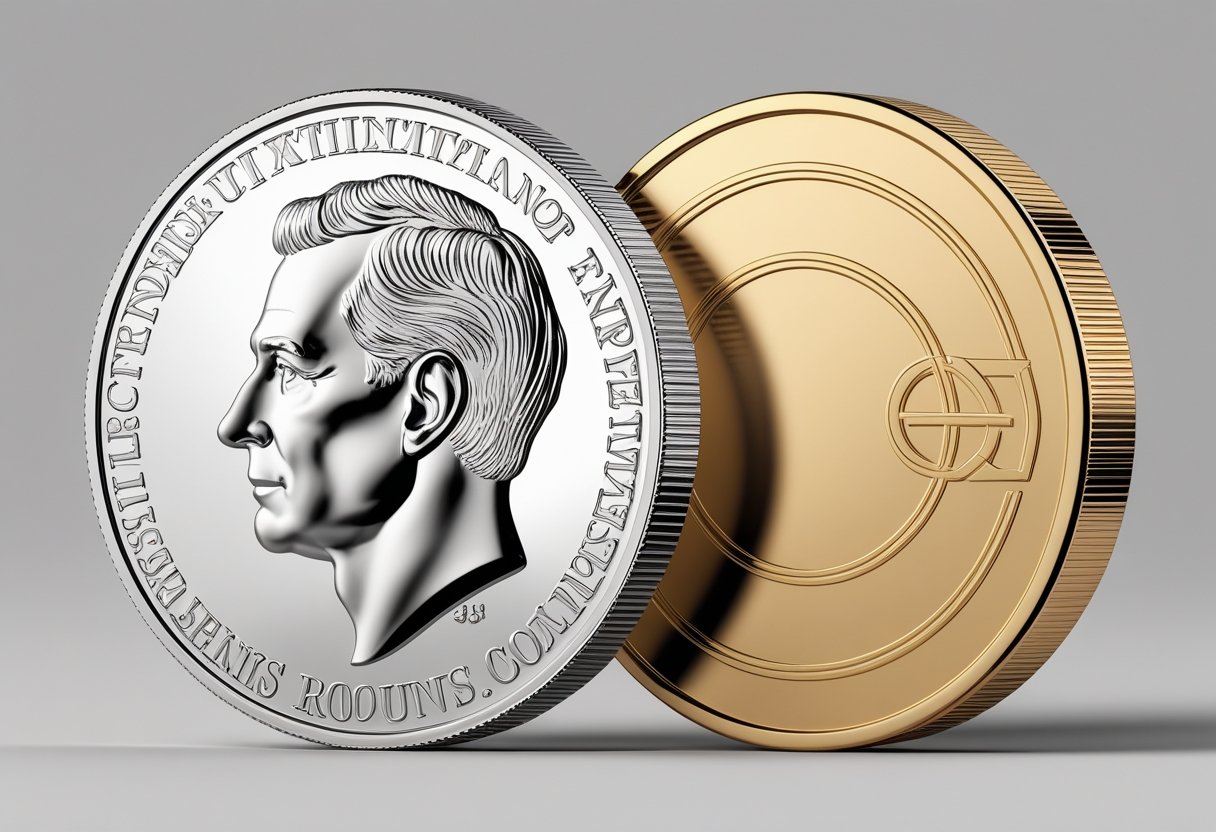
Coins and rounds differ primarily in legal status, issuing authority, design features, and production standards. These distinctions affect their value, authenticity, and use in investment or collection.
Legal Tender Status
Coins are officially recognized as legal tender by the issuing government. This means they have a face value and can be used in transactions, although their metal value often exceeds that face value.
Rounds, on the other hand, do not have legal tender status. They are privately minted bullion pieces and are sold based solely on their metal content and weight. This makes rounds purely investment vehicles rather than currency.
Legal tender status also means coins are subject to government guarantees, which can influence market trust and resale value.
Issuing Authority
Coins are produced and authorized by a government mint. This backing provides a level of assurance regarding purity, weight, and authenticity.
Rounds are typically created by private mints or companies without government endorsement. Because of this, rounds may vary more in design and quality.
Government minting often increases a coin’s collectibility and appeal, while rounds focus on offering metal content at competitive prices without additional premiums.
Design and Markings
Coins usually feature standardized designs mandated by government authorities. These include inscriptions such as country name, denomination, metal content, year of issuance, and official symbols or portraits.
Rounds have more freedom in design. They can incorporate diverse artwork, logos, or promotional imagery since they are not bound by official requirements.
Coins often display intricate details with consistent markings that provide clear verification points. Rounds can vary significantly, which sometimes complicates authenticity checks.
Production Standards
Government-minted coins follow strict production standards, including exact dimensions, weight, and metal purity. These standards protect against counterfeiting and maintain uniformity.
Rounds do not have these stringent standards and can vary slightly in size and weight between producers. This occasionally creates difficulties in matching rounds to specific benchmarks.
The consistent quality of coins generally allows for higher premiums compared to rounds, which emphasize metal content and may have fluctuating manufacturing precision.
Value and Pricing
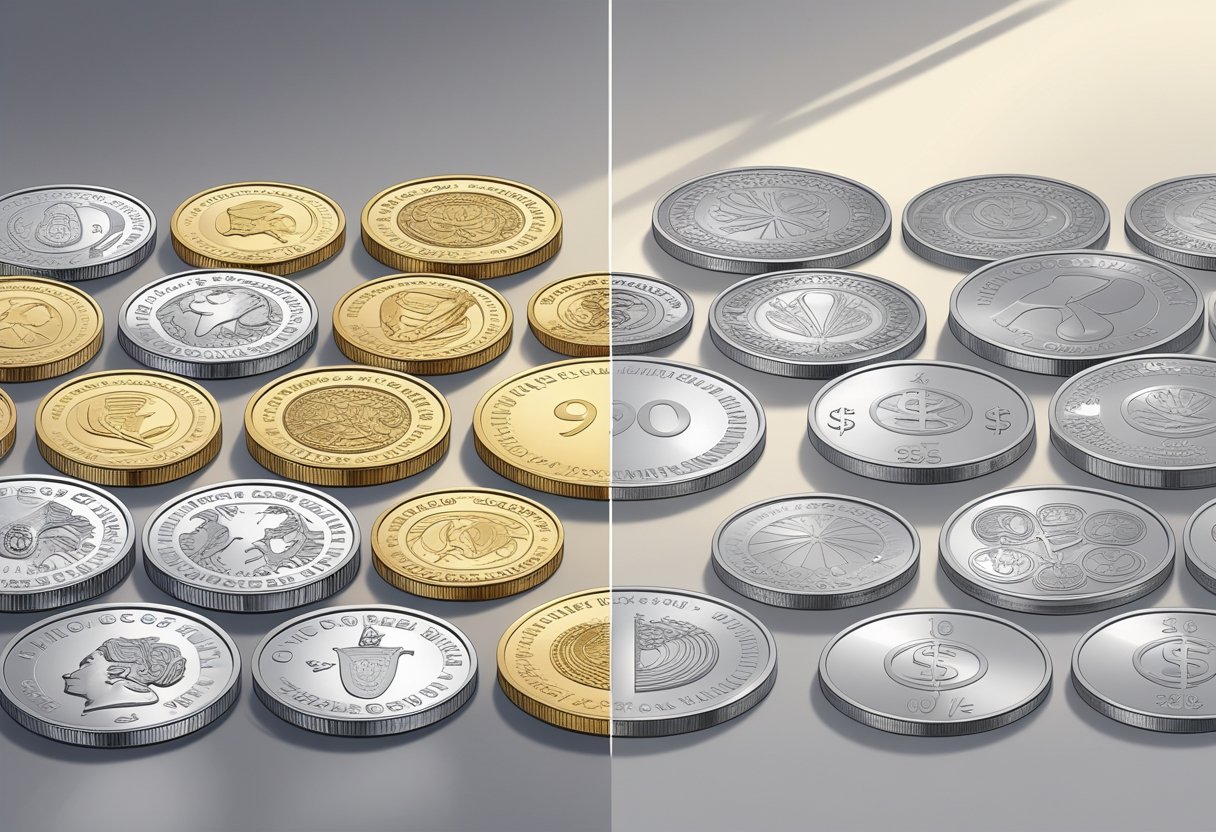
The value and pricing of coins and rounds depend on several factors distinct to each type. These include how the market perceives them, their collectibility, and how much above the metal spot price buyers are willing to pay.
Market Value
Market value for rounds is primarily based on the metal content, such as the silver or gold weight. Their price closely tracks the current spot price of the metal with minimal premiums.
Coins, however, have market value influenced by more than just metal content. Legal tender status and minting authority contribute to their perceived value. Some coins are also recognized globally, which supports their liquidity and price stability.
While rounds trade mainly as bullion, coins can sometimes trade at significantly higher prices due to these additional factors, especially in secondary markets.
Collectibility
Collectibility plays little to no role in rounds’ value since they are generally produced without limited editions or historical significance. They serve mainly as a metal investment.
Coins may have collectible value arising from limited mintage, historical importance, or unique designs. These attributes can push a coin’s value well beyond its intrinsic metal worth.
Collectors and investors often seek rare or aged coins, imposing a premium for scarcity and demand not seen with typical rounds.
Premium Over Spot Price
Rounds usually carry a low premium over spot price, reflecting only production and distribution costs. This keeps them close to their intrinsic metal value.
Coins typically have higher premiums due to factors such as minting quality, legal status, and collectibility. Certified coins especially can command increased premiums related to their condition and rarity.
Summary Table:
| Factor | Rounds | Coins |
|---|---|---|
| Market Value Basis | Metal content (spot price) | Metal + legal and monetary value |
| Collectibility Impact | Minimal | Can be significant |
| Premium Over Spot Price | Low | Often higher, varies by coin |
Investment Considerations
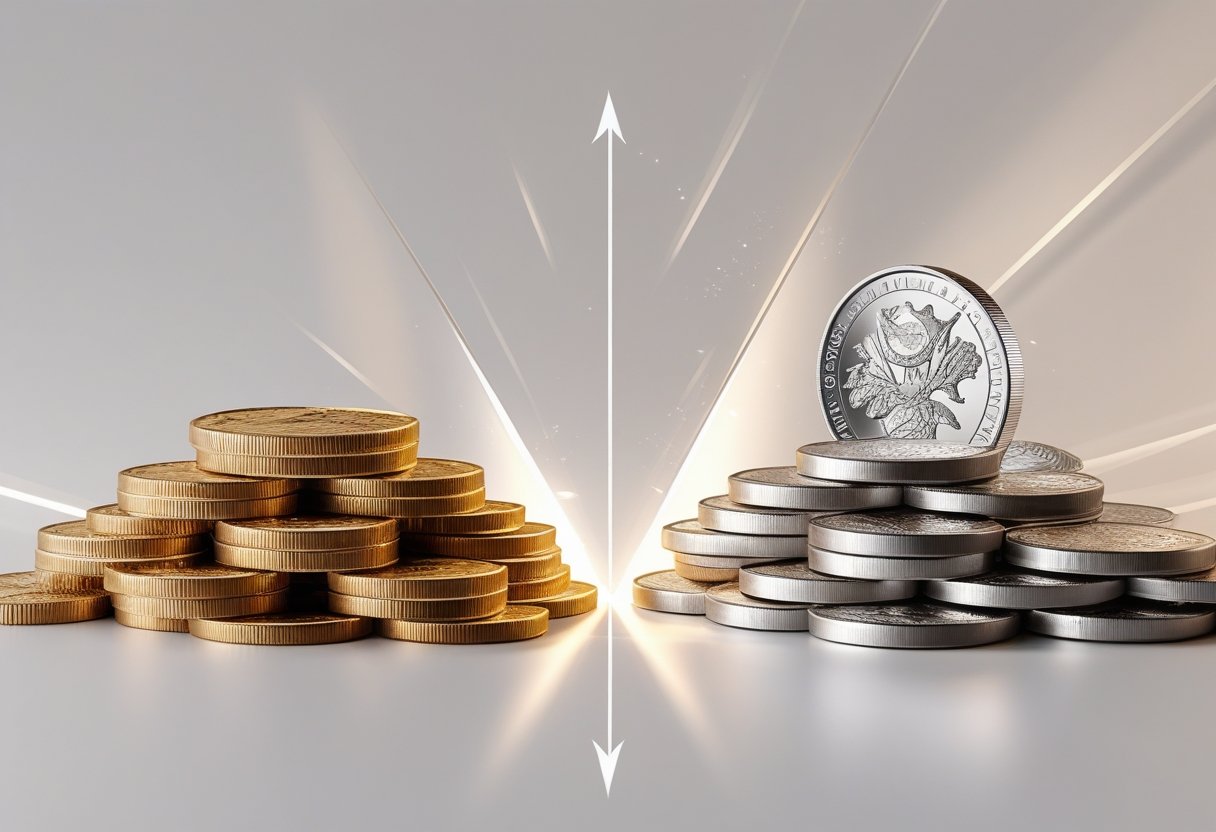
When deciding between coins and rounds, factors like ease of sale and secure storage are crucial. These elements directly affect an investor’s ability to manage risk and liquidity.
Liquidity
Coins generally offer higher liquidity compared to rounds. This is because coins are often government-backed legal tender, making them widely recognized and trusted by dealers and investors.
Rounds, while similar in precious metal content, lack government backing. They may sell at slightly lower premiums but can be less recognizable internationally, which might limit quick resale opportunities.
Premiums on coins also tend to be more stable due to numismatic interest and official minting, whereas rounds trade closer to metal spot prices and can fluctuate more with market demand.
Storage and Authenticity
Coins usually come with official mint markings and anti-counterfeit features, making authentication easier. This reduces risk for investors when storing or reselling.
Rounds do not have government guarantees or specific legal tender status. They are manufactured by private mints, which can vary in reputation and security measures.
When storing, coins often require less scrutiny due to widely established verification methods. Rounds might need additional testing or certification to ensure authenticity.
Proper storage practices like secure safes or bank deposit boxes apply to both, but the authenticity factor generally gives coins a slight advantage in safeguarding value.
Collecting Coins vs. Rounds
Collectors often prioritize aspects like rarity and authenticity when choosing between coins and rounds. These factors influence both the value and appeal of the items they add to their collections.
Rarity and Limited Editions
Coins tend to have greater rarity due to government-issued limited editions or commemorative releases. These coins often come with a defined mintage cap and unique designs tied to historical events or anniversaries, making them more desirable to collectors.
Rounds, on the other hand, are privately produced without government backing and generally have higher mintages. They usually lack official limited editions, although some private mints release special series that may have limited runs.
The scarcity of coins combined with legal tender status often makes them more sought after in the collectors’ market. Rounds mainly appeal to investors focused on metal content rather than collectible rarity.
Grading and Certification
Coins are frequently graded and certified by professional services like PCGS or NGC, which verify condition, authenticity, and sometimes provenance. This certification can significantly affect a coin’s market value and liquidity.
Rounds rarely undergo formal grading and certification because they are private issues without standardized designs or government verification. Their value is primarily derived from metal weight and purity rather than condition or rarity.
Collectors who seek certified condition and added security generally prefer coins. Investors seeking straightforward precious metal exposure without premium pricing often opt for uncertified rounds.
Conclusion
Coins and rounds both serve as practical options for owning precious metals, but they differ in several key areas. Coins carry legal tender status, are recognized globally, and often come with detailed designs linked to specific countries. This can make them appealing to collectors and investors seeking verified authenticity.
Rounds, however, do not have legal tender status and are generally produced by private mints. They often have more varied designs and shapes, allowing for creativity and flexibility in size and metal content. Rounds typically come with lower premiums, making them accessible for those entering the market or seeking cost-effective options.
When choosing between coins and rounds, investors should consider:
- Purpose: Legal tender and collectibility vs. investment and affordability
- Premiums: Coins usually have higher premiums than rounds
- Recognition: Coins are widely accepted internationally, rounds less so
- Design Options: Rounds may offer more variety in shapes and designs
Both forms are compact, easy to store, and stackable. The decision depends on individual investment goals, budget, and preferences for authenticity and design. Each has its place in a diversified precious metals portfolio.