Gold provides your country with a low-risk, universally accepted asset that supports monetary credibility, cushions against currency shocks, and diversifies reserves when paper currencies falter. Holding gold gives central banks a tangible store of value they can use to stabilize finances, assure markets, and preserve purchasing power during crises.

Expect the article to trace gold’s role from historical backing of money to modern reserve management, explain how central banks buy and sell bullion to smooth volatility, and explore political and geopolitical reasons behind national hoarding. You’ll also see why some countries increase holdings while others trim them, and what challenges and shifts could shape reserve strategies going forward.
Historical Significance of Gold in National Economies
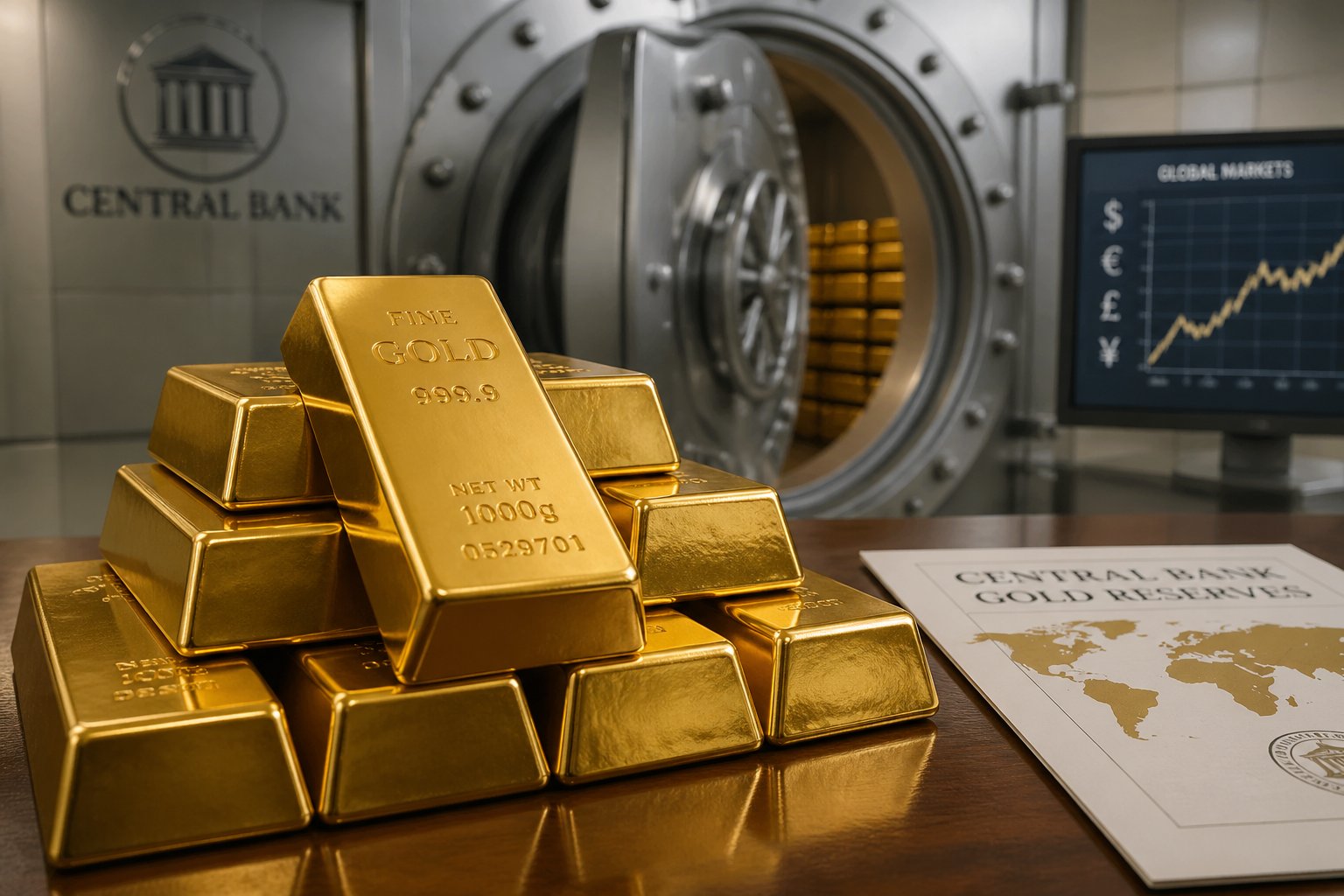
Gold has anchored monetary systems, backed currencies, and influenced policy decisions through wars, depressions, and recoveries. You’ll see how gold shifted from a circulating medium to a strategic reserve, how the gold standard shaped international trade and finance, and which crises and policy choices forced governments to change course.
Evolution of Gold’s Role in Monetary Systems
Gold served as money for millennia, circulating as coins and bullion that directly represented value. You relied on gold’s portability and durability when coins facilitated trade across empires and regions.
From the late 19th century, central banks began to hold gold not just as coinage but as official reserves. That shift moved gold’s role from everyday transactions to a backing asset for banknotes and international settlements.
By the mid-20th century, gold functioned mainly as a confidence anchor: nations held physical bars in vaults to signal creditworthiness and to settle balance-of-payments imbalances with trading partners.
Gold Standard and Its Legacy
Under the classical gold standard (roughly 1870–1914), your currency’s value tied directly to a specific weight of gold, which stabilized exchange rates and promoted long-distance trade. Governments committed to convertibility, meaning you could, in theory, exchange banknotes for gold on demand.
World War I and subsequent monetary turbulence broke that system as nations suspended convertibility to finance military spending. The interwar attempts to restore gold convertibility repeatedly strained national treasuries and contributed to deflationary pressures.
After World War II, the Bretton Woods system recreated a gold-linked regime—currencies pegged to the U.S. dollar, and the dollar convertible to gold at $35/oz. That arrangement ended in 1971 when the United States stopped dollar–gold convertibility, leaving fiat currencies but a lasting legacy: central banks continued to hold gold as a non‑liability reserve.
Major Events Shaping Gold Reserves Policy
Key shocks forced countries to reassess gold holdings. The two world wars prompted massive national accumulation and relocation of gold to secure vaults, influencing trust in state reserves. You saw looted or evacuated reserves affect postwar negotiations and reparations.
The Great Depression revealed limits of fixed-exchange regimes; many countries abandoned gold convertibility to regain monetary policy flexibility. Central banks then used gold sales, purchases, and revaluation as policy tools.
More recently, episodes such as the Nixon shock (1971), large-scale central bank purchases since the 2000s, and policy diversification after the 2008 crisis have reshaped reserve management. These events made you treat gold as both a macro-stability buffer and a strategic asset within diversified reserves.
Economic Stability and Financial Security

Gold provides tangible, non-sovereign value that supports your central bank’s ability to respond to shocks, preserve purchasing power, and maintain market confidence.
Diversification of Reserve Assets
You reduce concentration risk by holding gold alongside foreign currencies, IMF reserves, and government bonds.
Gold has no issuer credit risk and usually shows low correlation with major currencies and sovereign bonds during stress, so it smooths portfolio volatility.
Consider allocation trade-offs: gold produces no coupon and carries storage and insurance costs, but it can limit drawdowns when currency or bond markets move sharply.
Many reserve managers aim for a modest, stable percentage of total reserves—large enough to provide shock absorption but small enough to preserve liquidity for interventions.
Practical actions you can take include defining target bands for gold share, conducting periodic correlation stress tests, and setting clear rules for liquidity buffers versus strategic holdings.
Protection Against Currency Volatility
Gold acts as an alternative settlement asset when your domestic currency or major foreign currencies face sharp depreciation.
Unlike foreign-exchange holdings, gold cannot be devalued by another country’s monetary policy decisions.
You can use gold sales or swaps to obtain hard currency quickly without relying on bilateral credit lines.
During sudden capital flight or FX market freezes, physical bullion or widely accepted audited inventories provide a backstop that preserves your ability to pay for imports and service external obligations.
Operationally, maintain certified vaulting, contingency plans for rapid monetization, and prearranged swap facilities to ensure gold delivers liquidity when currency markets are disrupted.
Hedge Against Inflation
Gold historically preserves purchasing power over long horizons better than many fiat currencies when inflation accelerates.
Its supply growth is slow and relatively predictable, which helps it act as a real-value anchor as consumer prices rise.
You should view gold as a partial inflation hedge—not a perfect one.
Its short-term price can be volatile and driven by real rates, dollar moves, and investor flows, so combine gold with indexed bonds and other real assets for broader protection.
Define tactical thresholds for increasing gold exposure when inflation expectations rise, and integrate inflation-sensitivity metrics into your reserve-management framework.
Gold in International Trade and Settlements

Gold underpins trust, liquidity, and settlement flexibility for countries that choose to hold it. You will see how gold eases cross-border transactions, cushions balance of payments pressures, and functions as an alternative source of global liquidity.
Facilitating Cross-Border Transactions
When you settle large or sensitive transactions, physical gold or claims on gold can serve as a universally accepted medium of exchange.
Central banks and sovereigns use allocated gold transfers or gold-backed instruments to settle trade where correspondent-banking relationships or currency convertibility are limited.
Benefits you should note:
- Universal acceptability: Gold does not depend on counterparty credit history or a specific fiat currency.
- Currency substitution: In markets with volatile local currencies, you can invoice or settle in gold to lock value.
- Operational forms: Settlements occur via physical transfer, vault-to-vault book transfers, or through gold loans and swaps.
You should also weigh costs: transportation, insurance, verification, and market liquidity constraints can make gold settlements less convenient than electronic fiat transfers.
Supporting Balance of Payments
You can use gold to cover imbalances when foreign-exchange reserves are strained.
Central banks may sell or lease gold to meet import bills, service external debt, or shore up reserve adequacy without liquidating foreign-currency assets.
Common practices include:
- Sales: Timed disposals of gold to obtain hard currency during reserve shortfalls.
- Leasing and swaps: Your central bank can lease gold to generate short-term currency or engage in gold-for-currency swaps to defer selling.
- Reserve composition: Holding gold reduces overreliance on a single foreign currency, diversifying your balance-sheet risk.
These tools give you flexibility, but they can change the market price of gold and affect perceived credibility if used frequently.
Role in Global Liquidity
Gold functions as a non-sovereign liquidity backstop during stress when conventional markets seize up.
You can mobilize gold quickly through central-bank networks, official swap lines, or sales to create immediate purchasing power.
Key mechanisms to understand:
- Central bank coordination: You can access liquidity through multilateral arrangements that accept gold as collateral or settlement.
- Crisis asset: In geopolitical or financial crises, demand for gold rises, making it a reliable liquidation asset if markets remain functioning.
- Complement to FX reserves: Gold does not generate yield but preserves real value, so it complements interest-bearing foreign assets to stabilize your portfolio.
Keep in mind that converting gold into cash depends on market depth and timing; it is effective as a strategic liquidity buffer rather than a day-to-day working balance.
Central Banks and Gold Reserve Management

Central banks manage gold to balance liquidity, risk, and sovereign credit objectives. You will see how they allocate gold within total reserves and how gold can function in sovereign financing and collateral arrangements.
Strategic Allocation of Assets
You should treat gold as a diversification tool within reserve portfolios. Central banks commonly target gold to comprise a specific percentage of total reserves — often around 5–15% for many countries — to reduce reliance on any single foreign currency and to provide a non‑correlated asset during market stress.
Decisions hinge on safety, liquidity, and return expectations. You will weigh gold’s low counterparty risk and global market liquidity against opportunity costs from holding higher‑yielding sovereign bonds. Operational choices include holding physical bullion, allocated accounts, or gold-backed securities; each option affects custody, settlement speed, and disclosure.
Policy shifts since the 2010s show some central banks increasing gold shares to diversify away from the dollar and to stabilize reserves composition. You should monitor disclosure practices and audit protocols, since transparency affects market confidence and your ability to evaluate reserve adequacy.
Gold as Collateral for Sovereign Debt
You can use gold to secure or enhance sovereign borrowing terms in specific circumstances. Central banks or treasuries may pledge gold as collateral to obtain short‑term liquidity lines, to back currency swaps, or to support emergency IMF/ADB facilities.
Using gold as collateral reduces lender credit risk and can improve borrowing rates, but it requires clear legal frameworks and custody arrangements. You must consider valuation mechanics (spot vs. agreed price), margining rules, and the logistics of transfer and repatriation. Political risk and reputational impact also matter; pledging domestic gold can be sensitive domestically and may draw scrutiny.
Central banks often prefer limited, temporary pledging rather than permanent encumbrance. That preserves monetary sovereignty and keeps bullion available for market interventions or reserve rebalancing when conditions change.
Political and Geopolitical Considerations
Gold functions as a visible tool of statecraft and a contingency asset that supports financial autonomy during diplomatic strain and market stress.
Building National Credibility
You use gold reserves to signal fiscal strength and creditworthiness to investors, rating agencies, and trading partners. Large, well-reported holdings provide a tangible anchor behind your currency and national balance sheet, which can lower borrowing costs and bolster investor confidence during bond issuance.
Central banks and finance ministries often publish reserve audits or hold gold in internationally recognized vaults (London, New York, or domestic central bank vaults) to make that signal credible. You also gain diplomatic leverage: visible reserves can strengthen negotiating positions in trade talks and multilateral forums because they show the capacity to endure external shocks without immediate assistance.
Key mechanisms
- Transparent reporting and independent audits increase the credibility premium.
- Diversification into physical gold held abroad reduces seizure or access risk during crises.
- Strategic accumulation timed with market cycles enhances perceived stewardship.
Preparing for Economic Sanctions
You maintain gold to preserve access to a neutral, non-sovereign asset when dollar- or euro-denominated channels are restricted. Physical gold transfers and third‑country vaulting often remain executable even when financial messaging systems (SWIFT) or correspondent banking relationships are curtailed.
Actions you can take include relocating holdings to jurisdictions with legal protections, establishing bilateral swap lines backed by gold, and stockpiling enough bullion to cover essential imports and sovereign payments for a defined contingency period. These measures do not eliminate sanction risk but reduce vulnerability by providing an alternative settlement medium and a source of liquid value outside targeted financial systems.
Operational considerations
- Choice of vault jurisdiction affects legal exposure and access latency.
- Liquidity of gold markets under sanctions can decline; planning must include execution timing and buyer networks.
- Diplomatic relationships remain critical for safe transfer and monetization options.
Modern Trends and Shifts in Gold Holdings
Central banks have been actively reallocating reserves, with notable net purchases by several large economies and varying strategies across regions. You’ll see acquisitions driven by crisis hedging, diversification away from fiat currencies, and selective sales where liquidity or policy priorities dictated.
Recent Increases in Acquisitions
Central banks resumed large-scale gold purchases after the Global Financial Crisis, and demand rose sharply again after 2022. Russia and China stand out: since 2000, Russia added roughly 1,948 tonnes and China about 1,885 tonnes, reflecting long-term accumulation to reduce reliance on foreign currencies and build geopolitical insurance.
You should note timing and motives. Purchases spiked during periods of geopolitical stress and high inflation expectations. Some countries increased gold’s share of reserves by more than 5 percentage points over two decades, signaling deliberate “active diversifier” strategies rather than opportunistic buying.
Key drivers you’ll find are: inflation hedging, reserve diversification, and protection against sanctions or external financial pressures. Central banks often buy via international markets or domestic mines, and they sometimes report purchases in official statements or IMF/World Gold Council data.
Regional Differences in Gold Policies
Regions differ sharply in approach. Eastern Europe and Central Asia—led by Russia—pursued aggressive accumulation for strategic autonomy. China’s purchases combine strategic and domestic-policy motives, including strengthening yuan credibility.
Western European central banks and many advanced economies hold large legacy reserves but have been more conservative about new buys. Several smaller Asian and African central banks increased holdings modestly to diversify from dollar and euro exposure. Meanwhile, a few states sold portions of reserves in 2025 for liquidity or fiscal reasons—Singapore was reported among those reducing holdings.
You should watch policy signals: purchases often accompany public statements about reserve strategy, while sales tend to follow fiscal needs or rebalancing toward liquid foreign assets.
Impact of Digital Assets on Reserve Composition
Digital assets changed central bank thinking but have not displaced gold as a core reserve asset. A minority of central banks have researched or experimented with central bank digital currencies (CBDCs) and limited crypto holdings, yet most keep gold for crisis resilience and trust.
You’ll see three practical effects: (1) Some diversification experiments added tokenized or blockchain-traceable gold to enhance liquidity and settlement. (2) A few central banks hold small crypto allocations for technical testing, not as systemic reserve substitutes. (3) CBDC development shifts payment-system reliance, but gold remains a non-sovereign hedge against fiat-system risks.
If you track reserve reports, expect incremental integration of digital tools for custody and settlement, while gold continues to serve as a long-duration shock absorber in reserve portfolios.
Challenges and Criticisms of Maintaining Gold Reserves
Maintaining gold reserves forces you to weigh tangible benefits against clear financial, logistical, and ethical costs. The following points explain the major trade-offs and practical problems central banks face.
Opportunity Cost of Holding Gold
Holding gold ties up capital that could earn returns elsewhere. If you hold gold instead of government bonds, equities, or infrastructure investments, you forgo interest, dividends, and potential capital gains. During prolonged periods of low inflation and stable markets, those forgone returns can be substantial compared with gold’s price changes.
You also face liquidity timing risk. Selling large amounts of physical gold quickly can depress prices, so converting reserves to cash when you need funds may be costly. Finally, most accounting systems do not pay yield on gold, so your balance sheet shows a non-income-generating asset that requires active justification to stakeholders and policymakers.
Storage and Security Concerns
Physical gold requires secure storage, which drives recurring costs. You must budget for vault facilities, insurance premiums, armored transport, and accredited custodial services. For many central banks, those expenses add up to meaningful annual outlays.
Security also creates operational complexity. You need robust audit trails, periodic inventory verification, and contingency plans for geopolitical risks. Moving gold across borders involves legal clearances and potential political friction, so repatriation or diversification of storage locations becomes a policy decision with logistical consequences.
Environmental and Ethical Debates
Gold mining has clear environmental impacts that may affect your country’s reputation. Extraction often causes habitat destruction, water contamination, and significant carbon emissions. If your reserves include newly mined or uncertified gold, civil society and international partners may pressure you for more responsible sourcing.
You must also confront human-rights and transparency issues. Conflict-affected or poorly regulated supply chains can link gold to labor abuses and illegal trade. Choosing how to disclose provenance and adopt certification standards—such as third-party audits or ethical sourcing policies—creates trade-offs between cost, traceability, and political acceptability.
Future Perspectives on Gold Reserves
You should expect central bank demand for gold to remain a meaningful part of reserve strategy over the next decade. Surveys and recent purchase patterns show many central banks anticipate increasing gold’s share of total reserves, reflecting its role as a diversification tool and crisis hedge.
Geopolitical and monetary volatility will keep gold relevant for reserve managers. When confidence in major reserve currencies or global liquidity conditions wavers, gold provides a non-sovereign, long-standing store of value that can reduce portfolio correlation to fiat currencies.
Technological and market changes may alter how you hold and transact gold. Digital custody services and tokenized gold could lower transaction costs and improve liquidity, while physical storage and audit standards will still matter for credibility and insurance purposes.
Consider three practical implications for your reserve policy:
- Asset allocation: target gold shares will vary by country risk tolerance and liability structure.
- Liquidity planning: gold’s liquidity is generally high, but selling large blocks can move markets; plan exit strategies.
- Governance: clear custody, valuation, and audit practices strengthen the reserve value of gold.
Expect gradual, not explosive, growth in central bank gold holdings. Many institutions view increases as measured diversification rather than a replacement for foreign-currency reserves, so shifts will likely be steady and policy-driven rather than speculative.