Silver crossed $100 an ounce in early 2026 for the first time, after a rally that left even longtime precious metals investors surprised by the speed of the move, according to the Silver Institute. That kind of price action tends to raise the same question in different forms: is it too late, or is this the start of something bigger?
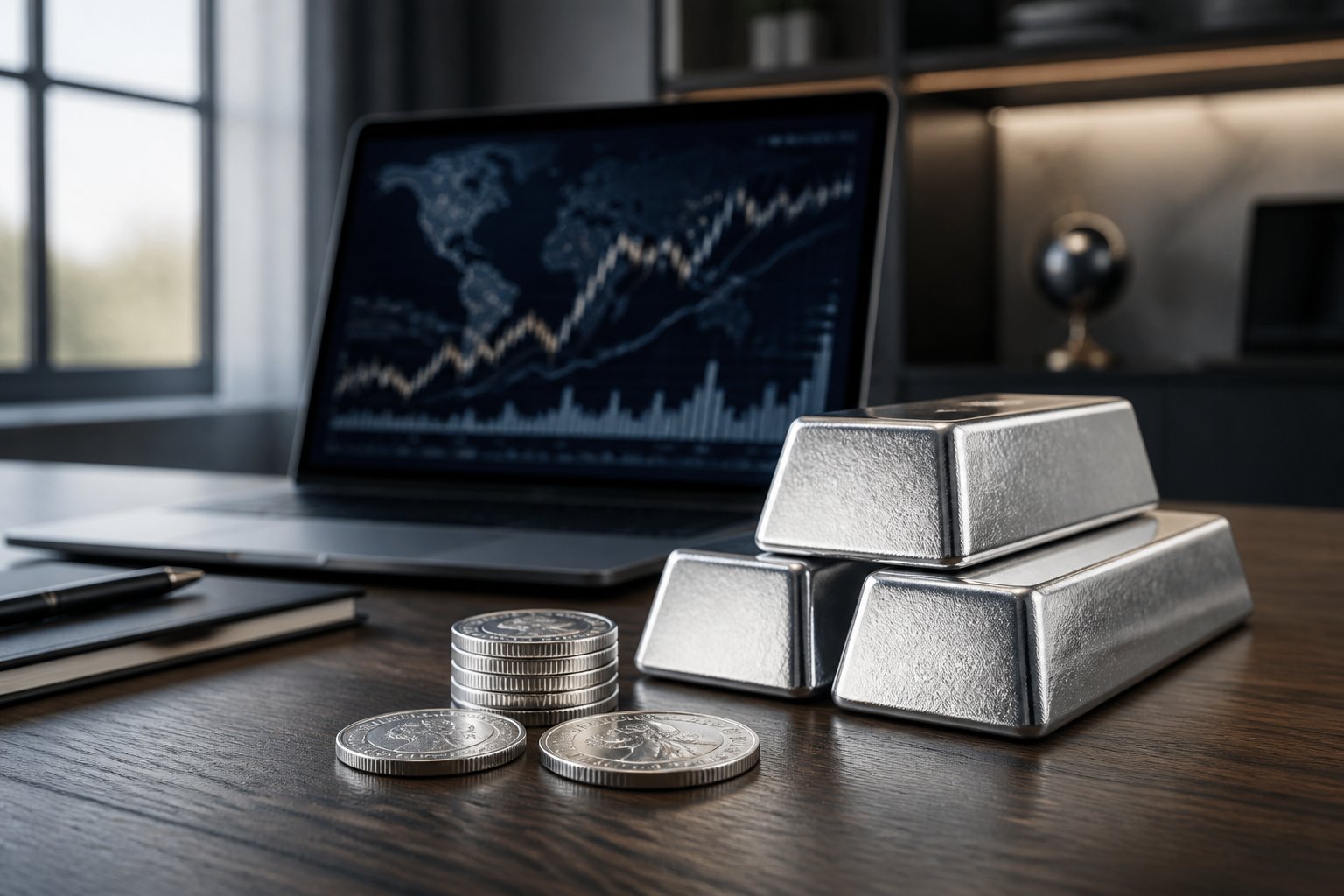
Silver in 2026 is a genuinely different asset than it was five years ago. Whether silver is a good investment for you depends less on where the price goes next and more on your time horizon, your need for liquidity, and how much short-term loss you can absorb without changing your plan. Investors with a multi-year horizon and room for volatility have a reasonable case for a modest position. Those who need steady income or may need to sell on short notice face a tougher argument.
The bull case rests on a structural supply deficit now in its sixth consecutive year, with cumulative shortfalls estimated near 820 million ounces since 2021, according to one analysis of the physical silver market. The bear case rests on the fact that silver has disappointed patient buyers before, and that a supply deficit alone has never been a reliable price trigger. Both are true at once, and untangling them is the actual work of deciding whether silver belongs in your portfolio this year.
Who Silver Suits in 2026
Silver investment tends to work best for people with a multi-year horizon, some existing exposure to stocks and bonds, and a specific reason to want exposure to precious metals or industrial commodities. It tends to work poorly for people chasing a fast gain after reading about last year’s rally.
When Does Silver Fit an Investment Plan?
Silver fits most comfortably as a small slice of a diversified portfolio, held for portfolio diversification, wealth preservation, or as a partial inflation hedge rather than as a core holding. Investors who already hold gold and want a more industrially-linked complement, or who want exposure to safe-haven demand and investment demand without concentrating everything in one metal, have a reasonable rationale. It also suits investors comfortable holding through a full commodities cycle, since silver’s bull market phases can run for years but can also reverse sharply.
Who May Want to Avoid Silver?
Investors who need predictable income should look elsewhere first. Silver pays no dividend or interest, so returns depend entirely on price appreciation. Anyone with a short time horizon, limited savings buffer, or a low tolerance for double-digit drawdowns in a matter of weeks has good reason to stay cautious or keep any position small.
How Much Volatility Can You Tolerate?
Silver’s price swings historically run larger than gold’s in both directions. A realistic gut check: if a 10% drop in a holding over a few trading sessions would make you want to sell everything, a meaningful silver position probably isn’t right for you yet. Position size should reflect that honestly, not what a bullish forecast implies.
What Is Driving the Silver Market This Year?
Silver’s 2026 story combines industrial demand with tight physical supply, a weaker U.S. dollar backdrop for parts of the year, and shifting Federal Reserve policy expectations. Together those forces explain both the rally and the sharp pullbacks that have followed it.
How Industrial Demand Supports Silver
Silver’s industrial demand now anchors roughly half of total consumption, driven by solar panels and photovoltaics, electric vehicles, semiconductors, advanced electronics, and growing use in data centers supporting artificial intelligence infrastructure. One assessment of the 2026 market points to a bifurcation in demand, where general industrial silver use stabilizes while AI data center and next-generation solar cell demand grows faster than mine supply can match. Medical equipment and electrification infrastructure add further steady, less cyclical demand.
Why Mine Supply Is Slow to Respond
Mine supply responds slowly because most silver comes as a byproduct of mining copper, lead, and zinc rather than from dedicated silver mines. Miners can’t simply ramp up silver output when prices rise; they depend on decisions made around base metals economics. The Silver Institute’s 2026 World Silver Survey confirmed 2025 as the fifth consecutive year of structural deficit, with total demand outpacing supply by roughly 40 million ounces even as total mine and recycled supply rose 7% year-on-year.
How Inflation, Interest Rates, and the Dollar Affect Prices
Silver, like gold, tends to respond to real interest rates (interest rates adjusted for inflation) and the strength of the U.S. dollar. When the Fed signals rate cuts or inflation runs hot, silver has tended to benefit as the opportunity cost of holding a non-yielding asset falls. A weaker dollar also makes silver cheaper for foreign buyers, supporting demand. J.P. Morgan’s commodities research notes that silver’s price action has stayed deeply correlated to gold’s rally, with illiquid physical markets amplifying moves in both directions.
What a Silver Price Forecast Can and Cannot Tell You
A price forecast can outline plausible scenarios based on known supply and demand data. It cannot account for sudden shifts in investor sentiment, unexpected Fed moves, or a sharp swing in industrial orders. Treat published targets as one input, not a plan, and pay attention to the range between bull and bear cases rather than a single number. For a closer look at what’s shaping the year ahead, see this breakdown of the 2026 to 2027 silver outlook.
Why Silver Can Disappoint Investors
Silver’s biggest risk is its own volatility, which has historically run well above gold’s in percentage terms during both rallies and corrections. A metal that can double in a year can also give back a third of its value in a matter of weeks, and investors who buy near a peak often hold through a long, uncomfortable drawdown before any recovery.
Why Silver Is More Volatile Than Gold
Silver’s market is smaller and less liquid than gold’s, so the same dollar amount of buying or selling moves the price further. One commentary on silver’s risk profile put it plainly: silver historically swings harder than gold in both directions, and unlike dividend-paying stocks, it offers no income to offset a falling price. For more on the mechanics behind this, see why silver tends to be more volatile than gold.
How Recession and Substitution Risks Affect Demand
A recession would hit silver’s industrial demand harder than gold’s, since roughly half of silver consumption ties to manufacturing, electronics, and solar installations that slow when growth weakens. Manufacturers also substitute silver for cheaper materials when prices climb too high, and recycling increases when scrap becomes economically attractive, both of which can cap price gains even during a deficit.
Why a Supply Deficit Does Not Guarantee Gains
A structural deficit describes a physical market condition, not a price guarantee. Silver has run in deficit for multiple consecutive years while still experiencing sharp corrections, because above-ground stockpiles, investor selling, and futures market positioning can offset a mine-and-demand shortfall for extended periods. Above-ground silver holdings in vaults and ETFs can supply the market even when new mine output falls short, which is one reason deficits alone haven’t reliably predicted the price of the following year.
What It Costs to Own Physical Metal
Physical silver bullion carries costs beyond the spot price (the current market price for immediate delivery), including dealer premiums, vault storage fees if you don’t hold it yourself, and insurance. These costs eat into returns particularly for smaller positions, and they don’t apply the same way to silver ETFs or mining stocks, which carry their own separate risks instead.
Silver vs. Gold: Which Role Fits Your Portfolio?
Gold tends to function as the more defensive, safe-haven asset in a portfolio, while silver offers greater growth potential paired with greater volatility. Central banks hold gold as a reserve asset in large quantities; they don’t do the same with silver, which leaves silver more exposed to swings in industrial and investor sentiment.
When Silver Offers More Growth Exposure
Silver tends to outperform gold in percentage terms during strong bull markets, since its smaller market size means capital inflows move the price further per dollar invested. Investors seeking more growth exposure alongside their inflation hedge may prefer a larger silver allocation relative to gold, accepting the added volatility as a tradeoff.
When Gold May Be the More Defensive Choice
Gold has a longer track record as a store of value during recessions and financial stress, partly because central banks and institutional investors treat it as a reserve asset. Investors prioritizing wealth preservation over growth, or with a shorter time horizon, often lean more heavily toward gold. For a deeper look at why some investors weight things the other way, this comparison of why some investors prefer silver over gold is worth reading alongside this section.
How to Use the Gold-to-Silver Ratio Carefully
The gold-to-silver ratio (the number of ounces of silver it takes to equal the value of one ounce of gold) is a useful reference point, not a trading signal on its own. A historically high ratio suggests silver is cheap relative to gold, but the ratio can stay elevated for long stretches without reverting. Use it as context alongside industrial demand and monetary policy trends, detailed further in this explanation of the gold-silver ratio’s investment significance.
| Factor | Gold | Silver |
|---|---|---|
| Primary demand driver | Central banks, investment | Industrial use, investment |
| Typical volatility | Lower | Higher |
| Historical role | Safe-haven, wealth preservation | Growth-linked precious metal |
| Recession sensitivity | Lower | Higher (industrial demand drop) |
| Income generated | None | None |
How to Get Silver Exposure
Silver exposure comes through four main routes: physical bullion, ETFs and trusts, mining stocks, and futures contracts, each carrying a distinct risk and cost profile. Choosing among them depends on how much control you want over storage, how much counterparty risk (the risk that another party in a transaction fails to meet its obligations) you’re willing to accept, and whether you want direct metal price exposure or a leveraged, business-linked alternative.
Physical Silver Bars and Coins
Physical silver, including bars and popular coins like American Silver Eagles and Canadian Maple Leafs, gives direct ownership with no counterparty risk once in hand. It comes with dealer premiums above spot price, storage considerations, and lower liquidity than paper alternatives when you need to sell quickly. Beginners exploring this route can start with this guide to buying silver coins and bars, and those unsure which products suit their goals may find this comparison of silver options useful before purchasing.
Silver ETFs and Trusts
Silver ETFs like SLV (iShares Silver Trust) and trusts offered by firms such as Sprott track the metal’s price without requiring storage, offering easier buying and selling through a brokerage account. They introduce a different form of counterparty and structural risk, since investors hold shares representing metal rather than the metal itself, and management fees apply over time.
Silver Mining Stocks
Silver mining stocks offer leveraged exposure to the metal’s price, since a mining company’s profits can rise faster than silver itself during a rally. They also carry company-specific risks, including operational setbacks, management decisions, and balance sheet debt, that have nothing to do with the silver price.
Why Futures and Leverage Raise the Stakes
Silver futures let investors control large positions with a small amount of capital, but that leverage cuts both ways and can produce losses exceeding the initial investment. Futures suit experienced traders managing margin requirements actively, not investors seeking simple long-term exposure to silver prices.
How Dollar-Cost Averaging Can Reduce Timing Risk
Dollar-cost averaging (DCA), buying a fixed dollar amount at regular intervals regardless of price, reduces the risk of committing a full position right before a correction. Given silver’s volatility, spreading purchases over months rather than buying in one lump sum is a reasonable approach for most first-time buyers.
A Measured Silver Position May Fit the Right Investor
Silver in 2026 offers a legitimate, if narrow, case built on industrial demand growth and a persistent structural deficit, not a guaranteed price outcome. The metal’s volatility, lack of income, and history of sharp reversals mean a silver investment works best as a modest slice of portfolio allocation rather than a concentrated bet, regardless of how confident any single silver price outlook sounds.
Investors like Robert Kiyosaki have publicly favored precious metals as a hedge against currency debasement, while institutions including Bank of America have published bullish silver price targets tied to the same supply deficit story covered throughout this article. Both perspectives are worth weighing against your own time horizon and tolerance for drawdowns, not treated as a substitute for that judgment.
Suitability, not timing, decides whether silver belongs in your portfolio this year.