Inflation reduces
purchasing power and erodes the value of cash and savings over time. Investors often seek assets that can maintain value during these periods, and
precious metals have long been considered a reliable option.
Gold and silver, in particular, serve as tangible stores of value that often move independently from traditional financial markets, helping to preserve wealth when inflation rises.

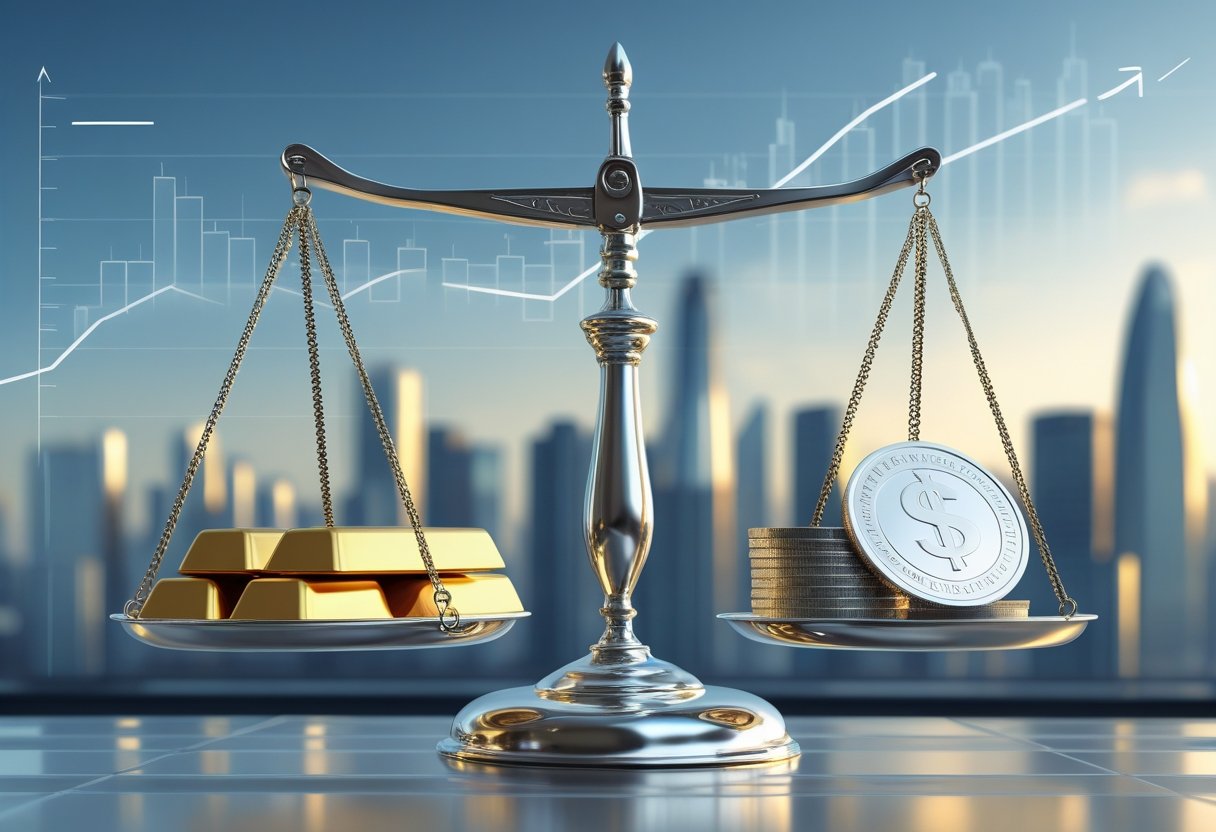
Gold is widely recognized for its stability and historical role as a global monetary asset. Silver adds another dimension, with its industrial uses driving demand beyond just investment, which can enhance its inflation-hedging potential. Both metals have been used for thousands of years as protection against currency devaluation and economic uncertainty.
Understanding how precious metals work as a hedge involves examining their intrinsic value, market behavior, and economic factors that influence their prices. This insight is key for investors looking to defend their portfolios against inflation and protect long-term financial security.
Understanding Precious Metals as an Inflation Hedge
Inflation reduces the purchasing power of currency, pushing investors to find assets that maintain or increase value. Precious metals offer distinct qualities that make them reliable in protecting wealth when inflation rises.
What Is an Inflation Hedge?
An
inflation hedge is an asset expected to retain or grow in value during periods of rising prices. It helps offset the decline in purchasing power caused by inflation.
Common inflation hedges include real estate, commodities, and certain kinds of stocks. The key feature is that the asset’s value generally moves opposite to currency depreciation.
Inflation hedges protect long-term wealth by preserving capital or generating returns above inflation rates. Investors use them to reduce risks tied to economic instability.
Why Precious Metals Stand Out
Precious metals like gold and silver do not rely on currency value, making them less vulnerable to inflation. Their
intrinsic value stems from scarcity, industrial use, and global demand.
They also have low correlation to traditional financial assets such as stocks and bonds. This trait provides
diversification benefits in portfolios during inflationary periods.
Unlike paper assets, precious metals cannot be printed or created at will, limiting supply and supporting
price stability or growth when currencies lose value.
Historical Use of Precious Metals
For thousands of years, societies have used gold and silver as stores of value. Throughout various inflationary episodes, these metals have preserved wealth when paper currencies fell sharply.
Central banks hold gold as reserves, signaling its trustworthiness during financial turmoil. Historical trends show precious metals often appreciate when inflation accelerates.
Investors also use precious metals during geopolitical instability and currency devaluation. Their role as a financial safeguard stems from this long-standing reliability and acceptance worldwide.
How Inflation Impacts Investment Portfolios
Inflation reduces the real value of money over time, affecting various types of investments differently. Understanding these effects helps investors make informed decisions to protect and grow their wealth.
Erosion of Purchasing Power
Inflation causes a decline in purchasing power, meaning each dollar buys fewer goods and services. For example, if inflation runs at 5% but an investment yields only 2%, its real return is negative, effectively shrinking wealth.
Cash holdings and fixed-income assets like bonds are most vulnerable because their returns may not keep pace with rising prices. This erosion forces investors to seek assets that maintain or increase value beyond the inflation rate, preserving the ability to purchase goods in the future.
Risks to Traditional Assets
Stocks and bonds often face mixed impacts during inflationary periods. Rising costs can squeeze company profits, leading to lower stock returns. Fixed-income investments suffer as their fixed payments lose value in real terms.
While some equities may adjust prices upward, sectors like utilities or consumer staples might struggle with margin pressures. Inflation also tends to increase interest rates, which inversely affect bond prices, lowering their market value and potentially causing portfolio losses.
Advantages of Portfolio Diversification
Diversifying across various asset classes reduces inflation risk. Precious metals like gold and silver historically
retain value during rising price levels due to intrinsic worth and limited supply.
Including inflation-resistant assets alongside stocks and bonds can stabilize returns and protect purchasing power. Diversification also allows investors to
balance risk and take advantage of inflation-related market shifts through complementary investments.
Gold: The Classic Hedge Against Inflation
Gold has maintained value across centuries due to its
limited supply and broad acceptance in markets worldwide. Its unique characteristics contribute to its ability to protect wealth when inflation rises, while also serving key functions in global finance.
Performance of Gold During Inflationary Periods
Gold’s price often reacts to spikes in inflation, although its relationship with average inflation rates can be uneven. In periods of high or unexpected inflation, gold tends to appreciate, helping to preserve purchasing power.
Historically, gold has outperformed inflation over long time horizons, particularly during times of
economic uncertainty or geopolitical instability. However, during stable or low inflation periods, gold’s returns may not always outpace inflation.
Investors often view gold as a defense against sudden inflation shocks rather than as a consistent short-term inflation hedge.
Gold as a Store of Value
Gold’s enduring appeal stems from its physical properties: it does not corrode, is easily divisible, and has intrinsic value beyond currency systems. These qualities make it a reliable
store of value over time.
Unlike fiat currencies, gold cannot be created at will, limiting supply and helping maintain its worth. This scarcity supports its function as a long-term wealth preserver.
In addition to investment demand, gold’s use in jewelry and electronics sustains intrinsic value, differentiating it from assets dependent solely on market sentiment.
Gold’s Role in Central Bank Reserves
Central banks hold gold as a key reserve asset to diversify their portfolios and reduce risk associated with fiat currency fluctuations. Gold serves as a
financial anchor during times of currency devaluation or crisis.
Central bank gold reserves provide liquidity and a hedge against national currency instability. Many governments maintain large gold reserves to support confidence in their monetary systems.
This official demand reinforces gold’s status as a trusted store of value and underpins its broader economic significance beyond individual investment.
Silver, Platinum, and Palladium: Alternative Precious Metals
Silver, platinum, and
palladium each provide distinct characteristics that contribute to their role as inflation hedges. These metals differ notably in industrial use, market behavior, and
investment appeal, offering varying degrees of protection during economic fluctuations.
Silver’s Unique Inflation Protection Qualities
Silver is valued for its dual role as both a precious metal and an industrial commodity. Its price often reacts to inflation pressures because it serves as a tangible asset and has significant demand in electronics, solar panels, and medical devices. This
industrial demand can sometimes cause price volatility separate from inflation.
Historically,
silver’s lower price point compared to gold makes it more accessible to small investors seeking to hedge against inflation. Its relative volatility, however, means it can offer higher potential returns but also greater risk.
Platinum and Palladium in Industrial Demand
Platinum and palladium are heavily used in the automotive industry, primarily for catalytic converters that reduce emissions. This industrial reliance ties their prices closely to economic cycles and manufacturing activity.
Limited supply also impacts these metals, particularly palladium, which has experienced supply shortages. This scarcity can drive price increases during periods of inflation, but the industrial dependency introduces a risk of price drops when economic activity slows.
Comparing Volatility and Market Trends
Silver tends to have higher price volatility than platinum and palladium due to its broader industrial and investment demand. Platinum prices can fluctuate based on shifts in automotive technology and supply disruptions, while palladium has shown sharp price swings linked to its supply-demand imbalances.
Investors should consider that platinum and palladium may offer more specialized hedging linked to industrial growth trends, whereas silver provides a more traditional store of value with greater liquidity and market depth.
| Metal |
Primary Use |
Inflation Hedge Role |
Volatility Level |
| Silver |
Industry + investment |
Tangible asset, industrial demand influence |
High |
| Platinum |
Automotive industry |
Limited supply, industrial tied |
Moderate |
| Palladium |
Automotive industry |
Supply constrained, industrial tied |
High |
Mechanisms for Investing in Precious Metals
Investors can access precious metals through different channels, each offering distinct features and levels of risk. These options vary in liquidity, cost, and exposure to the metals’ price movements.
Physical Bullion
Physical bullion includes coins and bars made of gold, silver, platinum, or palladium. Holding
physical metals provides
direct ownership, which some investors prefer during financial crises.
Storage and security are critical considerations, as bullion requires
safe storage to prevent theft or damage. Additionally, buyers must consider premiums above spot prices and potential resale costs.
Physical bullion offers no interest or dividends but can act as a tangible asset that is widely recognized and accepted worldwide. It also avoids counterparty risks, unlike other financial instruments.
Exchange-Traded Funds (ETFs) and Mutual Funds
ETFs and mutual funds offer exposure to precious metals without the need to store
physical bullion. These funds invest in either the metals themselves or related assets, providing liquidity and ease of trading.
ETFs are popular because they trade on stock exchanges like shares, allowing investors to buy or sell during market hours. They often have lower fees compared to mutual funds and provide diversification within the precious metals sector.
These funds remove the need for physical handling but introduce some counterparty risk and management fees. Performance typically tracks the price of the underlying metal, though fund expenses can slightly reduce returns.
Mining Stocks
Mining stocks represent shares in companies that extract precious metals. Investing in these stocks exposes investors to operational risks, management quality, and commodity price fluctuations.
Mining stocks often offer leverage to metal prices—when metal prices rise, mining companies might see greater profit increases. However, poor management, geopolitical risks, or operational challenges can impact stock performance regardless of metal prices.
This option combines exposure to metals with elements of equity investing, including dividends in some cases. Investors should analyze company fundamentals alongside metal market trends when considering
mining stocks.
Benefits and Limitations of Hedging With Precious Metals
Hedging with precious metals offers unique advantages tied to their distinct behaviors in markets. However, this strategy also involves factors like liquidity and price volatility that investors must consider carefully.
Reduced Correlation With Fiat Currencies
Precious metals often move independently from fiat currencies, which makes them effective in reducing currency risk. When inflation erodes the value of paper money, metals like gold and silver tend to retain or increase in real value.
This low correlation means precious metals can
provide stability during periods of currency devaluation or economic uncertainty. Investors can use this feature to diversify portfolios and lessen the impact of currency fluctuations on overall returns.
However, this relationship is not perfectly stable. Metals can be affected by factors such as geopolitical tensions or changes in interest rates, sometimes causing price movements unrelated to currency trends.
Potential for Capital Appreciation
Beyond serving as an inflation hedge, precious metals have potential for capital gains. Historical data shows metals can increase in price during inflationary periods and economic crises, offering growth opportunities.
Investors benefit from metals’ long-term demand due to industrial uses, central bank purchases, and investor interest in safe-haven assets. This demand can boost prices independently of inflation.
Still, prices can be volatile over shorter periods. Factors like market speculation, supply disruptions, or shifts in monetary policy can create price swings that impact returns.
Liquidity Considerations
Precious metals generally offer good liquidity, especially gold and silver, which are widely traded globally. This makes it relatively easy to convert holdings into cash or other assets when needed.
Physical metals must be stored securely, which involves additional costs and considerations for accessibility. Securities or funds tied to precious metals can improve liquidity but may introduce counterparty risk.
Some lesser-known metals or specialized forms may have less active markets, which could delay transactions or affect pricing. Investors should match their liquidity needs with the form of precious metal investment they choose.
Macroeconomic Factors Affecting Precious Metals Performance
The performance of precious metals is closely tied to shifts in economic policies, global events, and market supply-demand balance. These factors influence investor behavior, pricing, and the metals’ role as inflation hedges.
Monetary Policy and Interest Rates
Central banks’
monetary policies directly impact precious metals prices. When interest rates rise, fixed-income investments become more attractive, often leading to reduced demand for non-yielding metals like gold and silver.
Conversely, lower interest rates diminish the opportunity cost of holding precious metals, increasing their appeal. Inflation expectations also play a role, as loose monetary policy can drive
inflation fears, boosting precious metals as a store of value.
The inverse relationship between the U.S. dollar and precious metals is notable. When the dollar strengthens, metals typically decline due to reduced purchasing power for holders of other currencies, and vice versa.
Geopolitical Events
Political instability, conflicts, or
trade tensions increase uncertainty in financial markets, often enhancing the appeal of precious metals as
safe-haven assets.
Such events can disrupt supply chains or create risks in traditional investment channels, prompting investors to flock to gold, silver, or platinum for wealth preservation.
Examples include wars, sanctions, or major trade disputes, which tend to cause short-term spikes in metals prices due to heightened demand driven by risk aversion.
Supply and Demand Dynamics
Physical supply constraints and shifts in industrial demand also influence metals prices. Mining output, geopolitical restrictions on resource-rich countries, or increased extraction costs can limit available supply.
On the demand side, industrial uses in electronics, automotive, and medical sectors have grown, affecting especially silver and platinum. Investor demand through ETFs and bullion purchases adds further variability.
Annual consumption patterns, combined with inventory changes and recycling rates, determine supply-demand equilibrium, impacting price trends beyond purely financial factors.
Long-Term Strategies for Inflation Protection
Effective protection against inflation requires deliberate planning and ongoing adjustments. Investors benefit from combining portfolio rebalancing, market timing awareness, and
setting clear allocation goals to maintain the real value of their assets over time.
Rebalancing Portfolios With Precious Metals
Regular rebalancing helps maintain a target allocation between precious metals and other asset classes. Over time,
inflationary periods may cause gold and silver to rise, increasing their portfolio weight beyond intended levels.
Investors should review their holdings at least annually. If precious metals exceed the target percentage,
partial sales can lock in gains and shift capital toward undervalued assets. Conversely, if metals fall below the set proportion, new purchases restore balance.
This process preserves the hedge’s effectiveness and reduces exposure risks tied to market volatility. It also ensures metals remain a consistent part of the inflation defense rather than an unintended overweight.
Timing the Market
While exact timing of precious metals purchases is challenging, understanding
economic indicators can guide better entry points. Inflation data, interest rate policies, and geopolitical tensions often drive metals prices.
Buying during market dips or before inflation accelerates can enhance returns. However, attempts to time the market precisely may backfire due to metals’ sometimes unpredictable price swings.
A pragmatic approach is gradual accumulation through dollar-cost averaging. This mitigates risks of price spikes and avoids concentrating purchases at overvalued moments, maintaining steady exposure to inflation hedges.
Setting Allocation Levels
Setting specific allocation targets for precious metals is pivotal to effective inflation protection. Typical recommendations suggest metals comprise between 5% and 15% of a diversified portfolio, depending on risk tolerance and investment goals.
Higher allocations increase the inflation hedge but can reduce liquidity and add volatility. Lower allocations may limit exposure benefits.
Investors should consider personal financial situations, investment horizons, and commodity market conditions when determining allocation. Adjustments should be made if macroeconomic factors signal shifts in inflation expectations or metals’ role in the portfolio changes.
Risks and Challenges of Precious Metals Investing
Investing in precious metals involves specific challenges that can affect returns and safety. These include practical concerns about storage, the unpredictable nature of market prices, and risks tied to third parties involved in transactions. Each factor requires careful consideration to manage
potential downsides effectively.
Storage and Security Issues
Physical precious metals must be stored securely to prevent theft, damage, or loss. Many investors use bank safety deposit boxes or professional vault storage, which can incur ongoing fees. At-home storage poses risks without proper security measures like safes and alarms.
Storage costs reduce overall investment returns, especially over long holding periods. Additionally, insurance coverage is necessary to protect against loss but may add complexity and cost. Improper storage or failure to insure metals can result in significant financial setbacks.
Market Volatility
The prices of precious metals like gold and silver can fluctuate sharply due to changes in global economic conditions, monetary policy, and investor sentiment. This volatility can lead to sudden gains but also steep losses in the short term.
While metals often act as an inflation hedge over time, their value can decline during periods of strong equity market performance or rising interest rates. Investors must accept that precious metals are not immune to price swings and should consider them as part of a diversified portfolio.
Counterparty Risk
Investors who buy precious metals through dealers, ETFs, or other financial products face counterparty risk—the possibility that the other party fails to fulfill contractual obligations. This includes risks of fraud, insolvency, or delivery failure.
Choosing reputable dealers and verified products helps mitigate these risks, but they cannot be entirely eliminated. Physical metals held directly reduce counterparty exposure but introduce storage and liquidity challenges. Awareness of these trade-offs is crucial when selecting investment methods.
Conclusion
Precious metals serve as a reliable hedge against inflation due to their intrinsic value and historical resilience. They maintain purchasing power when fiat currencies lose value, making them an important tool for
wealth preservation.
Their value is supported by
long-term demand in jewelry, industry, and investment. Geopolitical tensions and economic uncertainty often increase their appeal, highlighting their role as safe-haven assets.
Key points include:
- Non-correlation with traditional asset classes
- Proven ability to retain value over extended periods
- Protection during currency depreciation and inflation spikes
Investors should consider precious metals as part of a
diversified portfolio. Balancing metals with other assets can optimize growth while managing risk.
Using precious metals does not guarantee profits but offers a strategic way to mitigate inflation’s impact on wealth over time.

 Gold is widely recognized for its stability and historical role as a global monetary asset. Silver adds another dimension, with its industrial uses driving demand beyond just investment, which can enhance its inflation-hedging potential. Both metals have been used for thousands of years as protection against currency devaluation and economic uncertainty.
Understanding how precious metals work as a hedge involves examining their intrinsic value, market behavior, and economic factors that influence their prices. This insight is key for investors looking to defend their portfolios against inflation and protect long-term financial security.
Gold is widely recognized for its stability and historical role as a global monetary asset. Silver adds another dimension, with its industrial uses driving demand beyond just investment, which can enhance its inflation-hedging potential. Both metals have been used for thousands of years as protection against currency devaluation and economic uncertainty.
Understanding how precious metals work as a hedge involves examining their intrinsic value, market behavior, and economic factors that influence their prices. This insight is key for investors looking to defend their portfolios against inflation and protect long-term financial security.
 Inflation reduces the purchasing power of currency, pushing investors to find assets that maintain or increase value. Precious metals offer distinct qualities that make them reliable in protecting wealth when inflation rises.
 Inflation reduces the real value of money over time, affecting various types of investments differently. Understanding these effects helps investors make informed decisions to protect and grow their wealth.
 Gold has maintained value across centuries due to its limited supply and broad acceptance in markets worldwide. Its unique characteristics contribute to its ability to protect wealth when inflation rises, while also serving key functions in global finance.
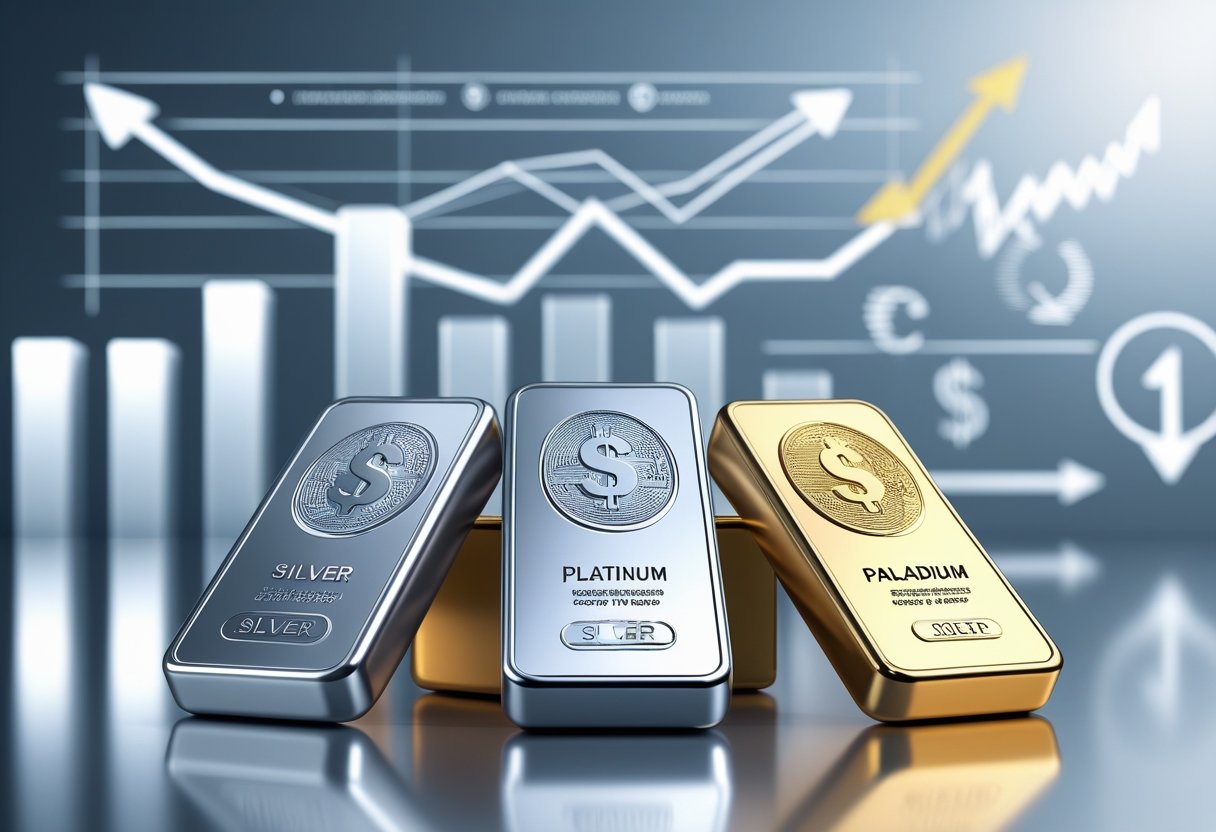 Silver, platinum, and palladium each provide distinct characteristics that contribute to their role as inflation hedges. These metals differ notably in industrial use, market behavior, and investment appeal, offering varying degrees of protection during economic fluctuations.