Palladium is difficult to buy primarily because it is a rare and highly sought-after metal with limited supply. Its scarcity is compounded by strong industrial demand, especially from the automotive sector, which uses palladium in catalytic converters. This tight supply-demand balance often results in higher prices and limited availability for investors and collectors.

Additionally, the market for palladium is less liquid compared to other precious metals like gold or silver, meaning it can be harder to find sellers and buyers at any given time. The metal’s price volatility and low market liquidity make purchasing palladium more complex and expensive than other commodities.
Geopolitical factors and recycling constraints also contribute to the challenges in acquiring palladium. These issues create uncertainty and reduce the flow of palladium into the market, leaving investors with fewer options and higher costs when attempting to buy.
Limited Global Supply
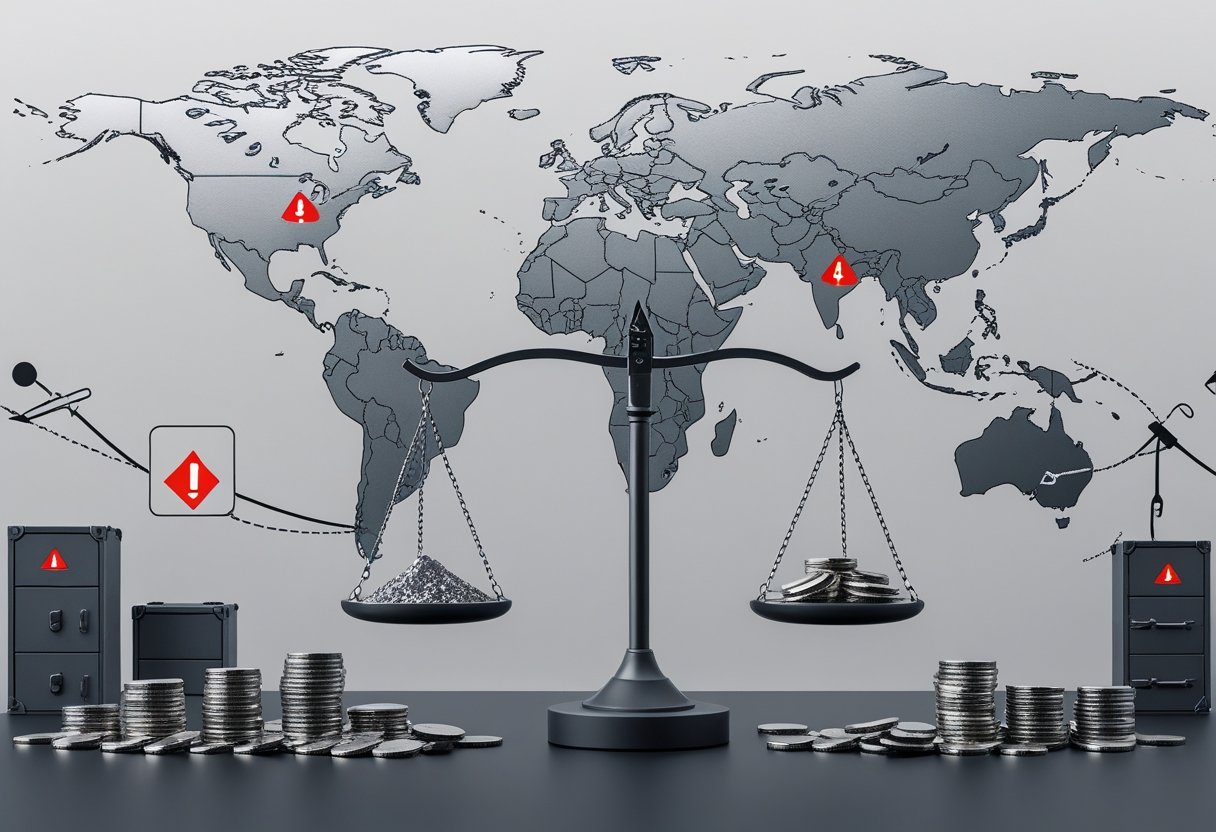
Palladium’s availability is constrained by a small number of mining locations and complex geopolitical issues. Supply chain challenges add further pressure, making it difficult for buyers to secure the metal consistently.
Primary Sources of Palladium
Most of the world’s palladium comes from just a few countries. Russia and South Africa dominate production, accounting for nearly 80% of global output. Annual production is limited to about 200-230 tons, making palladium much rarer than gold.
Mining palladium is capital-intensive and requires advanced technology. It is often extracted as a byproduct of platinum and nickel mining, which limits how much can be increased quickly. This tight supply restricts availability on global markets.
Geopolitical Factors Affecting Mining
Russia’s large share of palladium production makes global supply vulnerable to political tensions, sanctions, and export restrictions. Conflicts or policy changes in this region can disrupt supply flows rapidly.
Other producing countries face their own challenges, including labor strikes, regulatory changes, and environmental regulations. These conditions create uncertainty and contribute to volatile palladium availability and pricing.
Reliability of Supply Chains
Palladium supply chains depend heavily on stable logistics and transportation, especially from Russia and South Africa. Disruptions like sanctions, shipping delays, or trade embargoes affect the steady flow of palladium.
Moreover, palladium’s use in automotive catalysts means automotive industry demand pressures supply regularly. The combination of concentrated production and fragile supply chains reduces the metal’s market availability, adding to its scarcity.
Market Demand and Industrial Uses
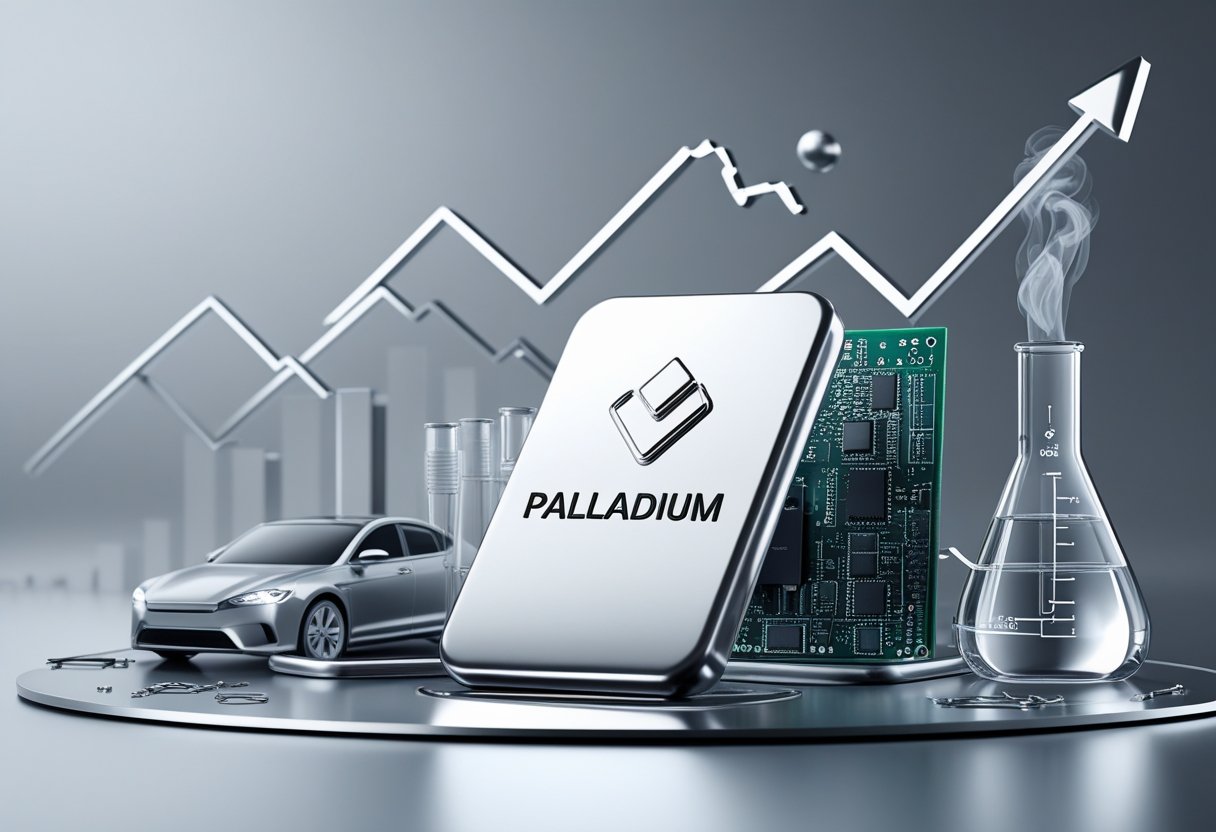
Palladium is heavily targeted by industries with specific technical needs, which limits its availability. Its consumption spans from automotive applications to cutting-edge technology and a smaller share in consumer markets like jewelry and investment.
Automotive Industry Consumption
The automotive sector dominates palladium demand, accounting for about 80% of total consumption. It is essential in catalytic converters, which reduce harmful emissions from gasoline engines. Stricter global emission regulations have increased automotive demand, pushing supply tightness.
As regulations evolve, more vehicles require palladium-based components to meet environmental standards. This continual need drives consistent industrial demand. Additionally, end-of-life vehicles now contribute to recycling, but this supply source remains insufficient to meet demand fully.
Technological Applications
Beyond cars, palladium plays a role in technology sectors such as electronics and chemical manufacturing. Approximately 5% of demand comes from chemical processes where palladium serves as a catalyst. Similarly, the electronics industry uses it for conductive properties in components like multilayer ceramic capacitors.
Its unique ability to resist corrosion and catalyze reactions underpins these applications. While these sectors consume less than automotive, their demand remains stable and contributes to overall market tightness.
Jewelry and Investment Demand
Jewelry accounts for roughly 1% of palladium demand but is growing due to its lightweight and hypoallergenic properties. Investment demand also forms a smaller yet noticeable portion of total consumption as investors seek palladium exposure amid supply concerns.
Palladium’s rarity and industrial importance boost its appeal as an investment metal, especially when prices rise. However, this demand is relatively minor compared to industrial consumption, though it can influence market fluctuations during periods of increased speculative interest.
Distribution and Accessibility Challenges
Palladium’s availability is tightly controlled by a limited network of sellers and distributors. This constrains its presence on the market and affects how easily buyers, especially individual investors, can access it.
Dealer Availability
Palladium dealers are fewer compared to those offering gold or silver. This limited dealer base results from the metal’s smaller market size and higher purchase price per ounce. Dealers often maintain low inventory levels to reduce storage costs and exposure to price volatility.
Additionally, palladium products are less commonly produced in coin or bar forms, which restricts options for physical ownership. Those who seek palladium are frequently directed towards specialized dealers or must navigate complex, less liquid markets.
Barriers for Individual Investors
Individual investors face several hurdles buying palladium. These include higher premiums over spot prices, limited product choices, and lower liquidity than other precious metals. Many retail platforms do not support palladium trading, or they require minimum purchase amounts that can be prohibitive.
Storage and insurance costs for palladium are also typically higher, given its value and scarcity. Moreover, unfamiliarity with palladium among average investors makes finding trustworthy sellers and understanding the market more difficult.
Role of Authorized Distributors
Authorized distributors control much of the official supply chain for physical palladium products. They often work directly with mints or refiners, ensuring product authenticity and quality standards.
However, their distribution reaches only selected dealers and institutional buyers. This controlled access limits widespread availability for small-scale buyers and contributes to regional price disparities. Authorized distributors also manage regulatory compliance, influencing delivery times and transaction complexity for buyers.
Pricing and Market Volatility
Palladium’s price is subject to rapid changes driven by complex market forces. Its trading environment features sharp fluctuations and specific liquidity challenges that directly affect accessibility and cost.
Price Fluctuations and Speculation
Palladium prices frequently swing due to supply and demand imbalances. Its dependence on the automotive sector, especially catalytic converters, causes demand to shift with industry trends. Long-term structural deficits persist, as supply often falls short, pushing prices higher.
Speculative trading adds to volatility. Investors reacting to geopolitical risks and market rumors can cause sharp short-term price moves. These fluctuations are intensified because palladium’s market volume is smaller compared to other precious metals, making it more susceptible to price swings around key psychological levels, such as the $1,000 per ounce mark, where consolidation often occurs.
Impact of Market Liquidity
Liquidity in the palladium market is relatively low, limiting ease of trade. Few large-scale producers and concentrated supply sources mean availability can tighten quickly.
This thin liquidity increases price volatility and raises the risk of sharp corrections. It also restricts the ability of investors and industrial consumers to buy or sell significant amounts without impacting prices. Less frequent trading activity further hampers immediate market responses, contributing to delays in price discovery.
Premiums and Transaction Costs
Because palladium is scarce and hard to source, buyers often pay premiums above spot prices. These premiums cover refining, transportation, and dealer markups, reflecting logistical complexity.
Transaction costs, including insurance and storage fees, add to the total price for end users. Smaller investors face even higher relative costs because minimum purchase sizes and limited availability reduce bargaining power. This makes acquiring physical palladium expensive and less straightforward compared to other precious metals.
Regulatory and Legal Restrictions
Palladium’s availability is affected significantly by various legal and regulatory frameworks. These include controls on movement across borders, financial policies impacting ownership costs, and adherence to global compliance rules. Together, these create challenges for buyers and traders worldwide.
Import and Export Controls
Several countries impose strict controls on palladium exports and imports due to its strategic importance. Russia, producing about 40% of global palladium, faces ongoing sanctions that restrict its exports. This limits supply on international markets and raises transaction complexities.
Importers must navigate tariffs, licensing requirements, and customs checks that vary widely by country. The U.S., for example, has potential tariffs and trade restrictions in place, especially linked to geopolitical tensions. These controls increase costs and delivery times, complicating procurement for manufacturers and investors alike.
Taxation Policies
Tax policies on palladium transactions differ significantly between jurisdictions, impacting its purchase viability. Some countries apply high import duties or value-added taxes that increase the effective cost of acquiring palladium bullion or industrial quantities.
Additionally, capital gains taxes on precious metals can reduce investment appeal. Dealers and buyers must consider these taxation rules carefully, as they directly affect the net price and potential profitability of holding palladium. In certain regions, exemptions or reduced tax rates exist but require compliance with specific conditions.
Compliance With International Standards
Palladium trading and refining are subject to international regulations designed to promote transparency and ethical practices. These include anti-money laundering (AML) laws and conflict mineral reporting requirements under frameworks like the OECD Due Diligence Guidance.
Companies involved in palladium must verify the origin of their supplies to avoid sanctions and reputational risks. This compliance process adds administrative burden and can delay transactions, especially when sourcing from politically unstable or sanctioned regions. Auditing and certification increase costs but are essential for legal and responsible trading.
Physical Storage and Handling Concerns
Palladium requires careful attention during transportation and storage due to its value and physical properties. Security measures and appropriate environmental conditions must be considered to protect the investment from loss or damage.
Transportation Security
Transporting palladium involves significant security risks because of its high market value. It attracts theft attempts, so secure transport methods are mandatory. Armored vehicles, GPS tracking, and professional logistics firms specializing in precious metals are often used.
Legal regulations and insurance coverage typically accompany palladium shipments. This adds extra layers of protection but also increases the cost. Proper documentation verifying authenticity and ownership reduces risks during customs or inspection.
Handling palladium in transit demands discretion. Shipments are sometimes consolidated or disguised to avoid drawing attention. Tracking palladium continuously from seller to buyer is standard practice to ensure accountability throughout the journey.
Storage Requirements
Palladium needs storage environments that prevent damage and theft. It is resistant to corrosion but must still be kept dry and away from harsh chemicals to maintain its quality.
Investors often use secure vaults serviced by professional custodians. These vaults offer climate control, surveillance, and restricted access. Home storage, while convenient, risks theft without exceptional security measures and insurance.
Storage location choice impacts cost and liquidity. Bank or private vaults add fees but provide safety and ease of transaction. Proper packaging like tamper-evident seals is recommended to prevent physical damage or fraudulent substitution.
| Key Storage Considerations | Details |
|---|---|
| Climate | Dry, stable temperature |
| Security | Surveillance, restricted access |
| Packaging | Tamper-evident seals, sturdy cases |
| Insurance | Necessary to cover theft/damage |
Environmental and Ethical Considerations
Palladium’s supply challenges come with significant environmental and ethical issues. Mining impacts ecosystems and water supplies, while ethical concerns include labor conditions and conflict mineral links. Addressing these complicates its availability and increases scrutiny on sources.
Sustainable Mining Practices
Palladium mining involves risks like water pollution, habitat destruction, and air emissions. These environmental effects vary by region but are especially severe where regulations are weak.
Mining companies are beginning to adopt sustainable practices, such as reducing water usage, limiting tailings waste, and restoring mined areas. Techniques like recycling palladium from automotive catalysts help lower the demand on new extraction.
However, the scale of global demand strains the ability to maintain these practices effectively. Many mines still operate under older, less sustainable methods. This increases the environmental cost tied to purchasing palladium and incentivizes stricter regulations.
Ethical Sourcing Challenges
The supply chain for palladium is complicated by ethical issues related to labor and conflict minerals. Countries like Russia and South Africa dominate production, but oversight varies, raising concerns about worker conditions and transparency.
Investors and buyers increasingly demand traceability and adherence to responsible sourcing standards. Efforts include third-party certification and reporting on social responsibility practices.
Ethical sourcing also involves recycling and reducing reliance on newly mined palladium. Despite progress, enforcement gaps persist, making ethical palladium harder to verify and buy confidently.