You might expect metals to trade only at the spot price, but physical gold, silver, platinum, and palladium always carry an extra cost above spot. Premiums exist because converting raw metal into a sellable coin or bar creates real, measurable costs — refining, minting, distribution, and dealer margins — and those costs move with demand and market conditions.
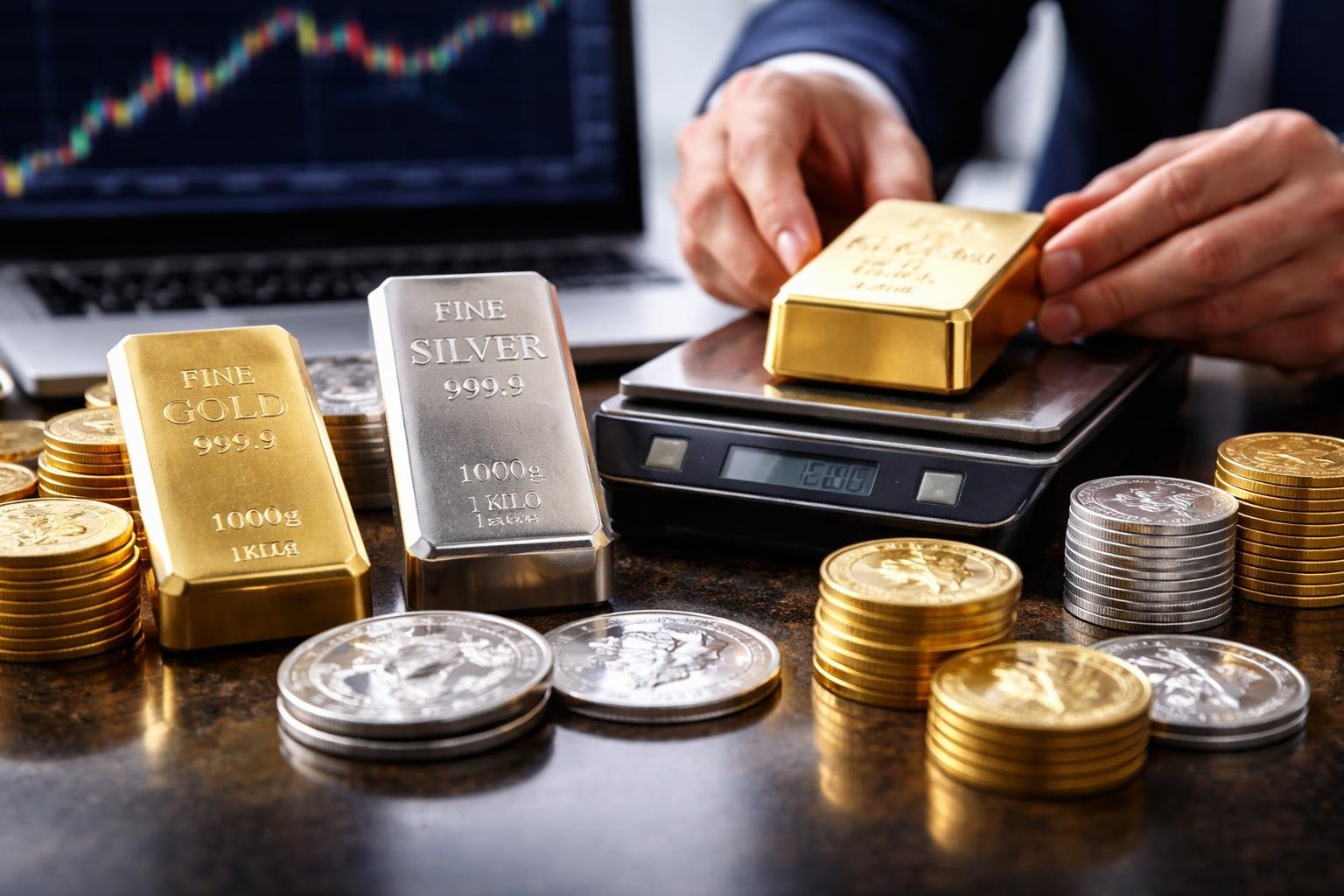
Understanding those drivers helps you spot when premiums are reasonable, when they’re inflated, and how market events or collector demand can widen the gap between spot and retail price. The rest of the article will break down fabrication and logistics costs, supply and demand swings, investor behavior, and practical steps you can take to manage the premiums you pay.
Understanding Premiums on Metals

Premiums add a fixed extra cost to physical metal purchases, reflecting manufacturing, distribution, taxes, and market demand. They vary by product type, seller, and market conditions, and directly affect the effective price you pay above the metal’s raw spot value.
Definition of Premiums
A premium is the dollar (or percentage) amount you pay above the metal’s spot price to buy physical metal.
It covers tangible costs such as minting, refining, assay, packaging, and transportation. It also covers intangible factors like dealer margin, brand recognition, and collectible or numismatic value.
You should expect higher premiums on small-format pieces (fractional coins) because per-ounce fabrication and handling costs rise as size shrinks. Expect additional markups during times of high retail demand or constrained supply, when dealers raise premiums to manage inventory or protect margins.
Key components you’ll typically see in a premium:
- Production costs (refining, minting)
- Distribution and storage
- Dealer markup and retail overhead
- Taxes, tariffs, and regulatory fees
- Numismatic or design value (if applicable)
Spot Price Versus Premium Price
The spot price is the live market value for one troy ounce of the raw metal on commodity exchanges.
The premium price equals spot plus the premium; that final retail price is what you actually pay per coin, bar, or round.
When you evaluate offers, compare both absolute and percentage premiums. A $5 premium on a 1/10 oz gold coin equals a much larger percentage than $5 on a 1 oz coin, so unit size matters. Also note bid-ask spreads: dealers buy at a lower price (dealer bid) and sell at a higher price (ask), and the spread often reflects part of the premium.
Use this quick checklist when comparing prices:
- Confirm the quoted spot source and timestamp.
- Calculate premium as (retail price − spot) / spot × 100%.
- Compare premiums across sizes and between reputable dealers.
Types of Metal Premiums
Physical metal premiums commonly fall into several types you’ll encounter:
- Fabrication premiums: cover refining, minting, and finishing.
- Distribution and logistics premiums: shipping, storage, and insurance costs.
- Retail/dealer markups: profit margins and overhead for sellers.
- Collectible/numismatic premiums: additional value for rarity, design, or limited mintage.
- Market-condition premiums: temporary increases from demand spikes, shortages, or geopolitical events.
Expect different mixes depending on product:
- Government bullion coins usually carry stable fabrication and dealer premiums plus a brand premium.
- Generic rounds often have lower premiums but wider price variation between sellers.
- Bars tend to offer the lowest per-ounce premium for large sizes, while fractional coins carry the highest percentage premiums.
When you buy, identify which premium components are included in the quoted price so you can make cost-effective comparisons.
Key Factors Driving Metal Premiums

You pay premiums because several concrete cost and market factors move the price you see above the quoted spot. These drivers include imbalances in physical supply and demand, costs tied to refining and minting, transport and storage frictions, and how easily a product trades in secondary markets.
Supply and Demand Imbalances
When physical demand outstrips available supply, premiums rise to ration metal and compensate sellers. For example, seasonal spikes in coin purchases or sudden safe-haven buying can drain dealer inventories, forcing dealers to pay more to restock and pass that cost to you.
Scarcity of specific products also matters. Popular government bullion coins or low-mintage rounds often carry higher premiums than generic bars because buyers prefer those items and supply is limited. Regional shortages—such as high retail demand in one country while refineries allocate metal elsewhere—create localized premium increases that directly affect your purchase price.
Production and Refining Costs
Refining, minting, and assay work add predictable, unavoidable costs to physical metal. Refiners charge for smelting raw ore into pure metal; mints add costs for striking, finishing, and packaging coins or bars.
Product complexity changes your cost. High-relief proofs, intricate designs, or government-backed legal-tender coins require more labor and quality control, raising unit costs compared with simple cast or poured bars. Minimum order sizes and setup fees at mints also get spread across each item, which increases per-piece premiums—especially for smaller denominations.
Logistics and Distribution Challenges
Moving, storing, and insuring metal create real expenses that appear in your premium. Secure transport, armored carriers, and insured warehousing add fees that dealers and distributors recover through higher prices.
Lead times and customs can amplify those costs. Imports subject to tariffs, delays at ports, or sudden freight-price spikes force dealers to adjust premiums to cover unpredictable expenses. Retailer location matters too: if you buy from a local shop with low volume, your premium can reflect higher per-unit distribution costs compared with large online dealers who achieve economies of scale.
Market Liquidity
Liquidity affects how close transaction prices stay to spot. Highly liquid forms—large cast bars or exchange-traded products—tend to trade with lower premiums because buyers and sellers meet easily at narrow margins.
Low-liquidity items, like rare numismatic coins or very small fractional pieces, require wider spreads to compensate dealers for holding inventory and potential difficulty reselling. When you choose a less liquid product, expect higher premiums and larger bid‑ask spreads. Liquidity can change quickly; during stress events, even normally liquid items may show wider premiums as market participants pull back.
Market Dynamics Influencing Premiums

Supply bottlenecks, trading venue rules, and national taxes or reporting requirements directly change what you pay above spot. Together they shape where metal trades, how quickly it moves, and the extra costs dealers add.
Role of Global Exchanges
Global exchanges set the reference spot price you see quoted, but your transactional price can differ because exchanges standardize contracts and delivery terms. Exchanges like the LBMA, COMEX, and Shanghai Futures Exchange publish settlement prices and deliverable grades; if you need a non-standard form — a particular coin, low-purity alloy, or small bar — dealers add a premium to cover conversion and handling costs.
Liquidity on those exchanges matters to you. High-volume futures markets reduce bid-ask spreads and lower the price markup for large trades, while thinly traded contracts raise execution risk and push premiums higher. Settlement timing also matters: physical delivery versus cash settlement changes warehousing and transport costs you ultimately pay for.
Regional Price Differentials
Local supply and demand make prices diverge from global spot. For example, import restrictions, shipping delays into ports, or seasonal retail demand in a country can result in consistent local premiums above the global reference price.
Transportation and insurance costs create measurable gaps. If shipping a kilo bar from Zurich to Singapore adds $5–$20 per kilogram and import duties add a percentage, dealers include those costs in your premium. Currency moves amplify this: a weaker local currency raises your effective premium when priced against a dollar-denominated spot, and dealers hedge that currency risk into their marks.
Impact of Regulation
Regulation changes affect compliance costs that you indirectly pay in premiums. Anti-money-laundering (AML) rules, know-your-customer (KYC) checks, and mandatory reporting increase overhead for dealers, especially for high-value, low-volume transactions.
Taxes and tariffs matter directly. Value-added taxes, import duties, or capital controls applied at the border increase landed cost; dealers reflect those as higher premiums. Regulatory uncertainty or sudden policy shifts — export controls on scrap, new reporting thresholds — raise dealer risk and inventory holding costs, prompting elevated premiums until markets adapt.
Investor Behavior and Premiums

Investor choices and timing directly affect premiums by changing short-term demand, shifting product preferences, and altering the flow of metal into and out of inventory. You’ll see premiums rise when many buyers target the same coins or bars, and fall when selling increases or dealer inventories rebuild.
Investment Demand Surges
When large groups of investors move into the market quickly, dealers face immediate inventory depletion. You’ll notice popular items — e.g., 1 oz American Eagles or 1 oz Maple Leafs — command larger markups because dealers pay more to replenish scarce stock and pass those costs to buyers.
High-volume purchases also force dealers to prioritize shipping speed and secure logistics. Those added operational costs get folded into premiums, especially during spikes tied to economic events or promotional windows. Finally, limited mintages or production bottlenecks amplify the effect: a product with constrained supply will see premiums expand faster than generic bars when demand jumps.
Safe Haven Buying
During periods of financial stress, you’ll increasingly see investors shift capital into physical metals for preservation rather than short-term profit. That safe-haven motive raises demand unpredictably, so dealers charge higher premiums to cover heightened ordering risk and potential price movement between purchase and delivery.
You’ll also encounter differences by form: coins and government-minted rounds typically carry higher premiums in safe-haven episodes because buyers prefer legal-tender, easily verifiable pieces. Dealers add premiums to compensate for authentication, insurance, and the faster turnaround customers demand when seeking immediate protection.
Retail Versus Institutional Activity
Your premiums vary depending on who’s buying. Retail buyers tend to purchase smaller, higher-premium items like fractional coins and 1 oz rounds, which increases per-ounce markup across the market. Institutions, hedge funds, and ETFs buy in large bars or through allocated bullion accounts, securing lower negotiated premiums due to volume and stable ordering patterns.
Dealers price accordingly: they maintain different inventory strategies and margin expectations for retail versus institutional channels. You’ll often pay more per ounce when buying retail because of packaging, distribution, and customer-service costs that don’t scale down with small purchases.
Premiums in Different Metal Markets
Premiums vary by metal because of differences in production, processing, market depth, and how buyers use each metal. Expect premiums to reflect item form (coin, bar, industrial billet), availability, and immediate demand in secondary markets.
Gold and Silver Premiums
Gold and silver premiums often track minting costs, dealer margins, and short-term demand spikes. For government-minted coins (e.g., American Eagles, Canadian Maples), you typically pay higher premiums to cover seigniorage, guaranteed purity, and collector demand.
Smaller sizes increase per-ounce premiums because fixed fabrication and packaging costs spread over less metal. For bullion bars, larger cast or kilo bars usually carry lower percentage premiums than 1 oz rounds or coins.
Market conditions drive volatility in premiums. During high retail demand or supply disruptions, dealers raise premiums and limit allocations. You also face added costs for insured shipping, sales tax in some jurisdictions, and buy-sell spread when you exit a position.
Platinum Group Metals Premiums
Platinum and palladium premiums reflect tighter industrial linkages and thinner retail markets than gold or silver. These metals serve major roles in automotive catalytic converters, so industrial demand shifts can push premiums and cause rapid price swings.
You’ll find fewer retail products and less minted bullion, which raises fabrication and distribution charges. Dealers often quote larger spreads for platinum and palladium because inventories are smaller and liquidity is lower.
Recycling flows and regional demand also matter. For example, tight supply from recycling or increased automotive production in a region can raise local premiums. If you trade physical PGMs, expect higher transaction costs and occasional difficulty finding specific sizes or purity grades.
Base Metals Premiums
Base metals (copper, nickel, aluminum) trade primarily in industrial quantities, so premiums concern physical delivery, shape, and logistics rather than collectible value. You pay a premium for processed forms—wire, cathode, plate—because smelting, refining, and fabrication add measurable costs.
Transportation, warehousing, and grade certification (e.g., cathode grade for copper) affect the delivered premium. For immediate delivery, spot buyers often accept a higher prompt premium versus longer-term contract pricing.
Market structure matters: exchange-traded contracts and long-term supplier agreements compress visible retail premiums, but local spot premiums can spike during port congestion, strikes, or refinery outages. If you buy small quantities, expect a marked up charge compared with large industrial lot prices.
The Impact of Economic Events on Premiums
Economic shocks change how much above spot you pay for physical metals, how quickly dealers adjust prices, and which forms of metal buyers prefer. Expect premiums to move with market sentiment, liquidity, and perceived risk.
Global Financial Instability
When banks fail, stock markets plunge, or central banks shift policy, demand for physical metals often rises as investors seek capital preservation. You will see dealers widen premiums because supply chains strain and order volumes spike; processing and shipping bottlenecks raise costs that merchants pass to buyers.
Premium increases also reflect liquidity effects: wholesalers may hoard inventory or require larger minimum buys, forcing smaller buyers to accept higher per-ounce markups. During the 2008 crisis and the 2020 pandemic, gold and silver premiums rose sharply as retail demand surged and delivery timelines lengthened.
Watch secondary indicators: elevated bid-ask spreads, longer lead times for delivery, and rapid changes in allocated versus unallocated bullion availability. Those signals tell you premiums will likely remain elevated until markets stabilize and inventories rebuild.
Geopolitical Factors
Geopolitical tensions change perceived safe-haven demand almost overnight. You might pay significant extra for physical bullion when conflict, sanctions, or trade disruptions threaten currencies or commodity flows.
Sanctions and trade restrictions can cut off mint access or reroute shipments, prompting regional premium disparities. For example, if a major mint reduces exports, nearby buyers face higher local premiums while distant markets may see smaller effects. Political risk also alters product mix: collectors’ coins and small fractional pieces often carry larger premiums because they sell faster and are easier to transport.
Track specific events: tariff announcements, military escalations, and sanction lists. These concrete developments cause predictable premium responses, not vague “market fear,” and help you time purchases or choose storage and delivery options that minimize extra cost.
Major Supply Disruptions
Mine strikes, refinery outages, or logistics failures directly reduce available physical metal and raise production costs, which push premiums higher. You will notice sharper premium moves in metals with concentrated supply chains, such as palladium or platinum, compared with more widely sourced silver.
Refinery or mint shutdowns increase the scrap-to-bullion recycling demand, shortening usable inventory and raising processing premiums. Transport disruptions — port closures or container shortages — add per-shipment fees that dealers incorporate into retail premiums.
Monitor specific supply-event metrics: mine output reports, refinery maintenance schedules, and freight-rate indices. Those concrete data points let you anticipate premium shifts instead of reacting after prices have already moved.
How Premiums Affect Buyers and Sellers
Premiums change the cash you hand over and the return you can expect. They influence storage, timing, liquidity, and the margin a dealer needs to make a sale viable.
Cost Considerations for Investors
You pay the spot price plus a premium, which raises your immediate entry cost and reduces short-term upside. For example, buying a 1 oz gold coin at a $50 premium means gold must rise more than $50/oz before you break even on resale.
Expect premiums to vary by product: government-minted bullion usually carries lower premiums than collectible or low-mintage pieces. Dealers also charge more on small denominations (fractional ounces) because per-unit processing and packaging cost more.
Factor premiums into tax and storage plans. Higher premiums increase your capital at risk and can change whether you choose allocated vaulting, home storage, or selling into a market spike. Watch secondary-market liquidity: items with large premiums often trade at wider bid-ask spreads, meaning you may take a bigger haircut when you sell.
Profit Margins for Dealers
Dealers set premiums to cover explicit costs and to secure profit. Explicit costs include acquisition fees, authentication, assay, shipping, insurance, and inventory financing. For instance, overnight financing on large bullion inventories can materially increase the running cost per ounce.
Premiums also buffer dealers against market risk from price swings between buying and selling. They use spreads to manage bid-ask exposure and to ensure a predictable margin across variable volumes. Retail dealers typically aim for stable per-unit margins, while wholesalers operate on thinner margins but higher volumes.
Inventory turnover and product mix shape pricing strategy. Low-turnover, high-cost items—like collectible coins—carry higher premiums to justify holding them. Dealers will advertise lower premiums on common bullion during high demand to move stock quickly, then widen spreads when supply tightens.
Strategies to Manage or Minimize Premiums
You can reduce premiums by timing purchases to market conditions and by selecting buying channels with lower markups and transparent fees. Focus on liquidity, product type, and dealer practices to lower total cost.
Timing Metal Purchases
Watch spot price trends and buy when dealer demand-driven premiums shrink, such as after spikes in retail buying subside. Purchase during normal market hours rather than during rushes tied to geopolitical events or coin release dates, when premiums often jump.
Buy larger bars or higher-weight coins when price per ounce falls; premiums per ounce typically decline as unit weight increases. Use limit orders with reputable dealers or online platforms to avoid paying wide spreads during volatile minutes.
Avoid last-minute buying around holidays, tax deadlines, or mint anniversaries. Track inventory alerts and wait for re-stocking cycles; dealers sometimes lower premiums to clear inventory. Keep a small cash buffer to act when premiums compress.
Choosing Optimal Buying Channels
Compare dealer quotes online, focusing on total cost: spot + premium + shipping + insurance. Use a simple checklist: price per ounce, guaranteed buyback policy, customer reviews, and visible inventory. Prioritize dealers that publish premiums by product.
Consider buying generic bars or widely traded rounds instead of collectible coins to keep premiums low. Use direct online dealers for better pricing than coin shops, but factor in shipping and authentication risk. For frequent purchases, negotiate tiered discounts or a locked price program with a dealer.
If you plan to store metals, explore allocated storage with low annual fees; lower custody costs reduce effective premiums over time. For tax-advantaged accounts, choose custodians with transparent fee schedules to avoid hidden markup layers.
Long-Term Trends in Metal Premiums
You will see premiums vary across metals, markets, and time as supply, demand, and costs shift. Long-term trends reflect production capacity, recycling rates, and changes in industrial or investment demand.
Over decades, improving refinery technology and greater market liquidity often push premiums lower for commonly traded bullion like large gold and silver bars. Yet collector coins and small-format products tend to retain higher, more stable premiums because fabrication and distribution costs stay proportionally large.
Geopolitical events, trade policy, and strategic stockpiling cause regional and episodic premium spikes. When a government or large buyer builds reserves, local premiums can widen even if global spot prices move less dramatically.
You should track these four drivers when assessing long-term premium behavior:
- Supply structure (mining output, scrap availability)
- Fabrication & distribution costs (smaller products → higher per-unit premiums)
- Investor demand cycles (flight-to-quality and diversification)
- Policy and market intervention (tariffs, reserves, export controls)
Compare premiums across time using consistent product specifications to avoid misleading conclusions. For example, chart premiums for the same coin or bar size, and note currency effects if you follow international markets.
If you plan purchases, favor periods of lower volatility and larger product sizes to minimize long-term premium drag. Your decision should weigh liquidity needs, storage costs, and whether you value collectibility or fungibility.