You can avoid getting underpaid by knowing what your pieces are actually worth, who pays fair spreads, and how to compare offers quickly. Know the spot price, weigh and verify purity, and prefer transparent buyers who disclose their margins — that combination gives you the best chance of keeping more of your money.
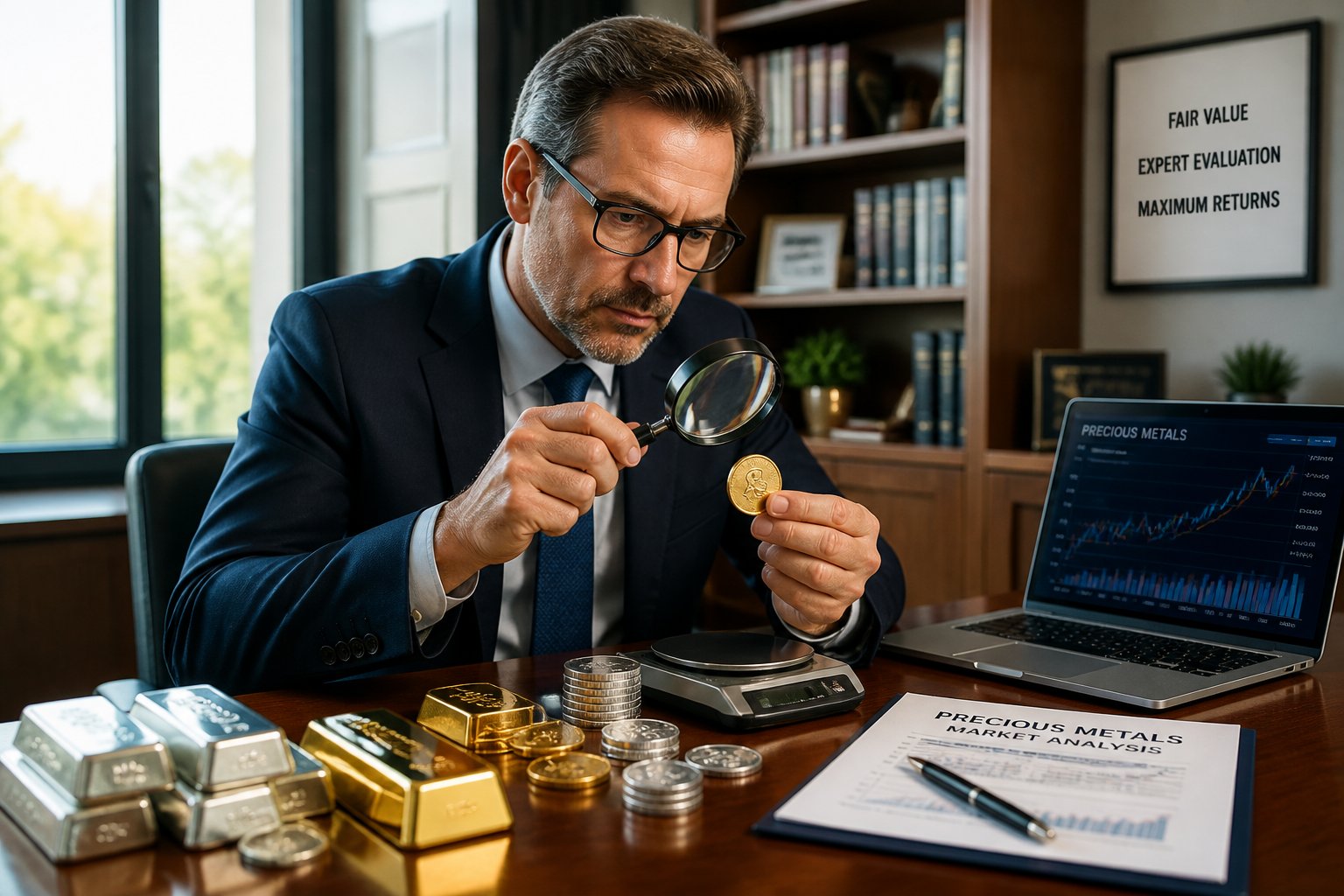
This guide shows how to value coins, bars, and jewelry, spot lowball tactics, and choose between local dealers, online buyers, and private sales. You’ll also learn how taxes, paperwork, and secure handling affect the final payout so you don’t lose money to avoidable mistakes.
Understanding Precious Metals Valuation
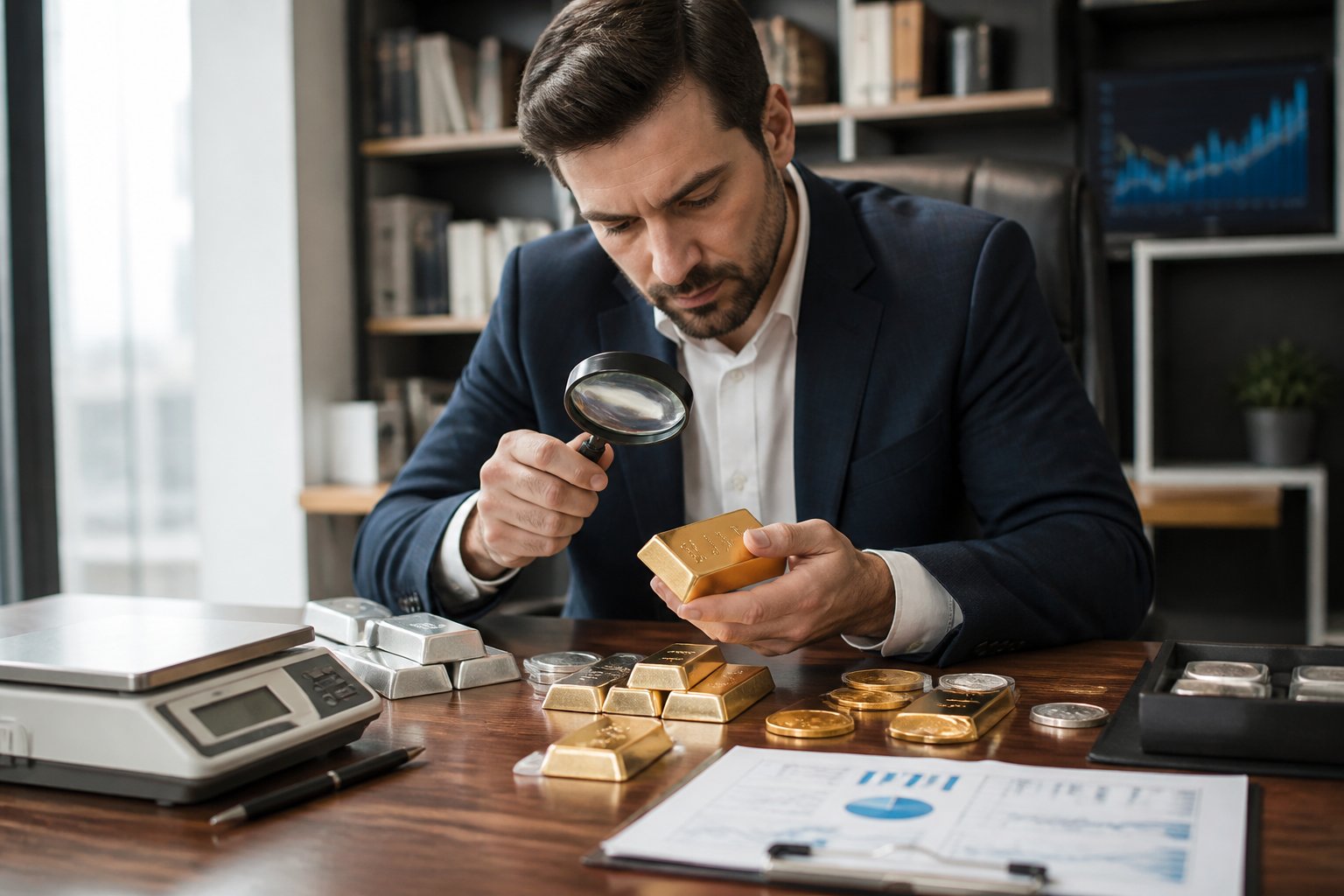
You need to know three concrete things: how market quotes differ from the metal’s raw worth, how dealers determine purity and weight, and how price trends and timing affect what you receive. These determine the offers you’ll get and where to sell.
Spot Price Versus Melt Value
The spot price is the live market quote for one troy ounce of pure metal (gold or silver). Dealers reference spot when valuing items, but they never pay pure spot for retail pieces because of refining, assay, and inventory costs.
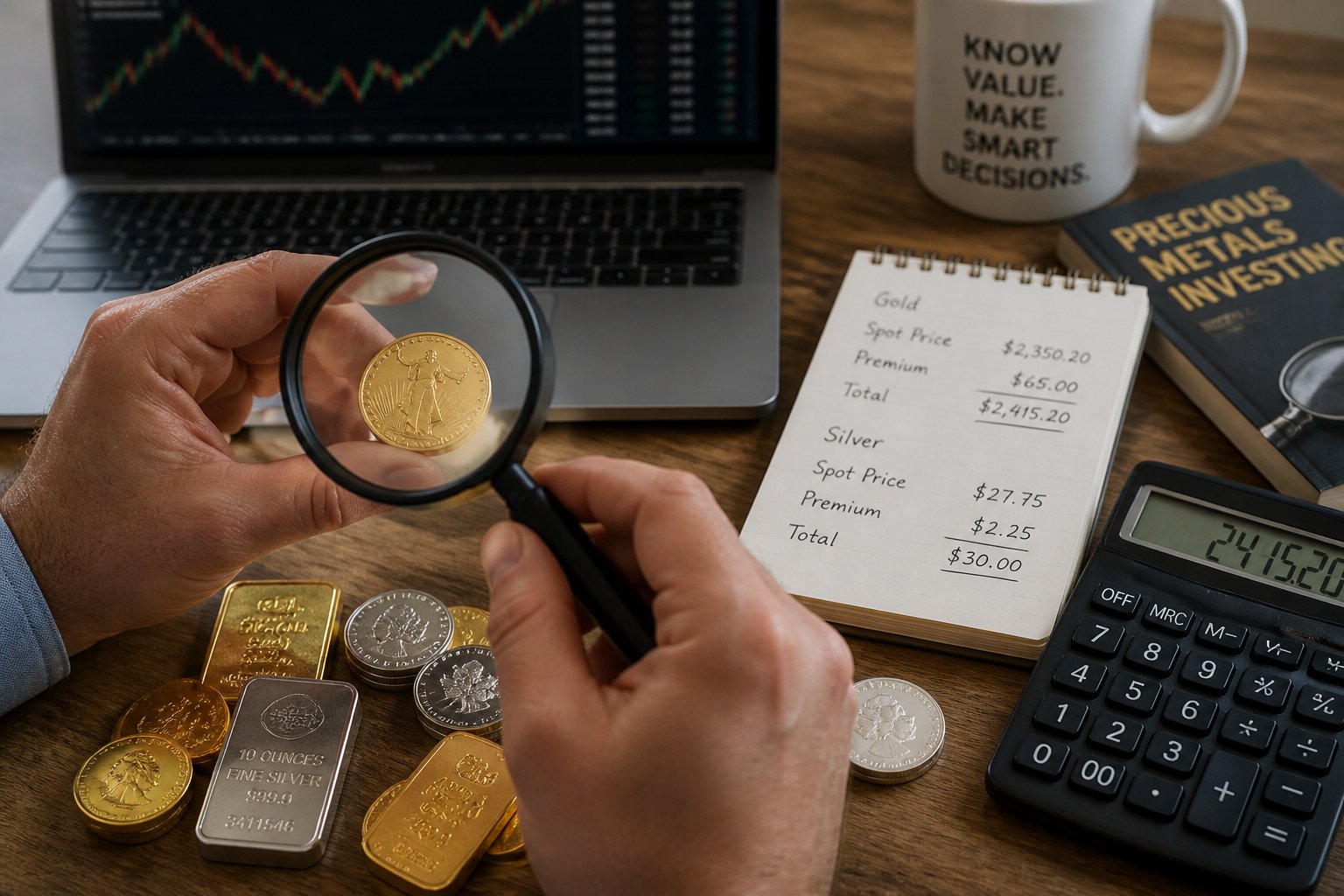
Melt value is the metal content’s theoretical worth: multiply the metal’s weight (in troy ounces) by purity (as a decimal) and by the current spot price. For example, a 1 troy oz coin at .999 purity at a $2,500/oz gold spot has a melt value of $2,497.50 (adjusted for fees).
Buyers subtract a margin and processing costs from melt value; the result is the typical wholesale offer.
Know whether the buyer quotes spot, melt, or a net offer. If a dealer posts “X% over spot,” confirm whether they mean over spot, over melt, or over a numismatic baseline.
Purity and Weight Assessment
Purity (fineness) appears as a decimal or parts-per-thousand—e.g., .999, 24K (pure gold), or 925 (sterling silver). Accurate assessment matters because a 1% purity difference on a heavy item changes the melt value substantially.
Use a precise scale that measures to at least .01 gram when preparing to sell. For weight conversions: 1 troy ounce = 31.1035 grams.
For non-standard items (jewelry, plated pieces, mixed alloys) you should expect an assay or acid test. Assays and XRF tests are common; XRF gives quick, non-destructive surface readings but can be fooled by plated surfaces. Ask whether the buyer deducts an assay fee and whether you can witness or receive the assay result.
Record serial numbers, hallmarks, and certificates for coins and bars. These add confidence and can preserve numismatic or premium value beyond melt.
Market Trends and Timing
Precious metal prices move with inflation data, currency strength, central bank actions, and geopolitical events. Short-term spikes can create higher bids, but spreads (dealer margin between buy/sell) often widen in volatility.
Watch the 30‑ and 90‑day moving averages and major economic calendars (FOMC, CPI releases). If you need quick cash, expect lower offers; if you can wait, target days when liquidity and bid-ask spreads tighten.
Also consider seasonal demand: bridal and gift seasons can raise local jewelry buying interest, while investment demand rises during economic uncertainty. Compare offers across buyer types—online dealers, local coin shops, pawn shops, and private buyers—because timing affects each channel differently.
Evaluating Buyers and Selling Options
Decide whether you want speed, maximum price, or convenience before contacting buyers. Verify pricing transparency, payment timing, and identity requirements to avoid surprises.
Reputable Local Gold and Silver Dealers
Choose licensed dealers with a physical storefront and positive reviews on multiple platforms. Ask for a written itemized offer showing spot price, dealer spread, assay deduction, and final payout so you can compare offers apples-to-apples.
Bring ID and documentation for provenance, and request on-site testing with a visible assay method (acid test, XRF, or scale check). Negotiate by presenting competitive quotes from other local dealers or online offers. Expect immediate payment methods like cashier’s check or bank transfer; avoid cash-only deals for high-value sales.
Online Precious Metals Marketplaces
Use established platforms that display live spot pricing, clear fee schedules, and buyer ratings. Look for platforms offering insured shipping, independent third-party assay on receipt, and payment options such as ACH, wire transfer, or insured courier pickup.
Read the fine print about return windows and grade disputes. Document items carefully with photos and serial numbers before shipping. Compare net payout after shipping costs, insurance, assay fees, and platform commissions rather than gross offer amounts.
Auctions and Private Sales
Auctions and private sales can yield higher prices for collectible coins and branded pieces, but fees and time vary widely. If using an auction house, verify seller fees, reserve policy, and marketing reach; request an estimated net return and a contract that lists all charges.
For private sales, vet buyers through references and use escrow services or bank transfers to secure payment. When dealing privately, meet in a safe, public place or a bank to complete the exchange, and obtain a signed bill of sale that states item description, agreed price, and date.
Navigating Offers and Negotiations
You will learn how to read a written appraisal, compare several bids side-by-side, and spot the common pricing tactics buyers use so you don’t accept a low offer. Focus on measurable items: weight, purity, spot price, and item condition.
Reading Official Appraisals
An appraisal should list metal weight, karat or fineness, and any gemstone or workmanship value. Check that the document states gold or silver weight in troy ounces or grams and the purity as a percentage or karat (e.g., 14K = 58.3% gold).
Verify the date and the spot price used. If the appraisal uses an outdated spot price, ask the appraiser to recalculate using today’s market rate.
Look for line-item math showing how the appraiser arrived at a value: gross metal value, deductions (refining fee, assay fee), and final offer. If the appraisal lacks clear deductions, request a written breakdown. Keep the appraisal copy and use it when you compare buyer offers.
Comparing Multiple Bids
Get at least three written offers from different buyer types: a local jeweler, a coin dealer, and an online/refinery service. Create a simple comparison table with columns for buyer, offered price, basis (percent of spot or formula), listed deductions, turnaround time, and payment method.
Compare the net cash you’ll receive, not just the percent of spot. Factor in shipping insurance and assay turnaround if using an online buyer. If an offer looks significantly higher than others, confirm it in writing and watch for hidden fees that could reduce the final payout.
Common Pricing Tactics Used by Buyers
Buyers frequently quote percentages of “spot” without showing the spot price or the weight they used. Ask them to state the exact spot price and weight they applied.
Some buyers present prices per item (jewelry) rather than pure metal weight; that can conceal low melt-value calculations. Request melt-value math or insist on a per-gram/troy-ounce breakdown.
Watch for these red flags: pressure to sell immediately, offers that require you to waive rights to a written receipt, or “no-refund” assay policies. Also ask about inventory markups—some shops price to resell rather than pay melt value. If a buyer cites high labor or repair costs as deductions, request those costs in writing.
Legal and Tax Considerations
Keep precise records, verify authenticity before sale, and plan for capital gains tax. Proper documentation, counterfeit checks, and knowing tax treatment reduce the chance you get underpaid or face penalties.
Documenting Your Transactions
Record the date, item description, weight, purity, serial numbers (if any), purchase price, and sale price for every piece you buy or sell.
Keep receipts, certificates of authenticity, assay reports, and photos in digital and paper form. Store backups offsite or in encrypted cloud storage.
If you sell through a dealer or auction house, get a written invoice that lists the buyer or seller, payment method, and any fees or commissions. For large transactions, use bank transfers so funds leave a clear audit trail.
Maintain a ledger of running cost basis for each lot to calculate accurate gains or losses later.
Avoiding Counterfeit Risks
Test bullion and coins before accepting payment. Use multiple methods: magnet test, specific gravity, electronic tester, visual inspection for known mint marks, and weight/size comparison against standards.
Request third-party grading or third-party assay for high-value items. Graded slabs from PCGS, NGC, or similar increase buyer trust and reduce disputes.
When buying, prefer reputable dealers with verifiable track records and clear return policies. When selling, disclose any defects or repairs in writing.
If a buyer claims a piece is counterfeit after sale, have your documentation and test records ready to defend the transaction.
Understanding Capital Gains Implications
Gold and silver held as investment property usually produce capital gains or losses when sold. Determine whether your metal is collectible or investment-grade; U.S. bullion coins and rounds typically qualify as collectibles with different tax rates than other capital assets.
Calculate gain as sale price minus your adjusted basis (purchase price plus eligible costs like commissions and shipping). Use specific-identification when possible to match sales to exact lots; otherwise, apply FIFO.
Report gains on the correct tax forms for your jurisdiction. In the U.S., disclose gains on Schedule D and Form 8949 and apply collectible tax rates where applicable. Consider tax-deferred options like IRAs that accept precious metals to defer or avoid immediate capital gains tax.
If you expect large gains, consult a tax professional to explore strategies such as tax-loss harvesting, timing sales across tax years, or gifting/inheritance planning to reduce tax impact.
Safeguarding Your Transaction
Control payment method, shipment tracking, and insurance before you agree to a deal. Confirm identity, record serial numbers or hallmarks, and keep written terms of sale to prevent disputes.
Choosing Secure Payment Methods
Prefer bank wire transfers (ACH or same‑day wire) or cashier’s checks from known banks for large amounts; these create verifiable paper trails and clear settlement records. Avoid cash if possible — cash complicates proof and increases personal risk.
If a buyer offers online payment services (PayPal, Zelle, Venmo), use business‑to‑business options that allow documentation and dispute resolution. Verify limits and fees, and wait for funds to fully clear into your account before shipping any items.
Insist on written payment terms: amount, currency, expected deposit time, and refund conditions. For in‑person deals, meet at your bank so you can confirm a cashier’s check or deposit a cash amount immediately. Keep screenshots, emails, and signed receipts for at least 90 days.
Insurance and Shipping Precautions
Insure shipments for the full invoice value against loss, theft, and damage using a carrier’s declared value or a third‑party insurer that specializes in valuables. Get a separate insurance certificate and confirm coverage for transit and handling.
Use tracked, signature‑required, and tamper‑evident packaging; remove external markings that indicate contents. Choose overnight or expedited services with a chain‑of‑custody record and require adult signature at delivery.
Document items with high‑resolution photos, weight and measurements, and serial numbers or assay marks before shipping. Keep copies of tracking numbers, insurance policy details, and the recipient’s ID or business license; these speed claims and protect you if the buyer disputes receipt.
Maximizing Returns on Scrap and Jewelry
You will get higher offers by accurately identifying metal content, cleaning pieces appropriately, and presenting items grouped by purity and type. Small prep steps — sorting by karat, removing non-metal parts, and separating gold from silver — directly increase buyer confidence and payout.
Grading and Sorting Items
Start by separating items by visible markings: look for karat stamps (10K, 14K, 18K, 22K, 24K), “925” for sterling silver, and maker’s marks. If no stamp exists, test with a magnet (gold and silver are non-magnetic) and do a simple acid or electronic karat test to confirm purity before you sell.
Create clear piles: coins/bullion, fine jewelry (no stones or intact settings), costume or plated pieces, and scrap (broken chains, clasps, mixed metal). Remove non-precious components — plastic beads, leather, cloth — and note gemstone types; buyers pay less for mounted or damaged stones. Label each pile with weight and presumed purity.
Weigh items on a digital scale accurate to 0.01 g and record totals for each purity grade. Presenting weighed, labeled lots speeds appraisal and reduces the chance of lowball offers.
Separating Gold From Silver for Sale
Physically separate gold and silver into distinct containers before visiting buyers. Mixed lots force buyers to discount for extra processing; pure lots typically yield higher per-gram prices.
If items are plated or mixed-metal, perform a quick surface test: scratch a discreet area into a nook and test with a silver or gold test solution to detect plating. For visibly two-tone pieces, separate removable gold components (clasps, chains) from silver bodies where possible.
For larger batches, consider melting only if you have the skills and legal compliance; otherwise sell in sorted, labeled lots and ask buyers to quote per purity. Bring documentation of your tests and weights — it increases trust and bargaining power.
Eco-Friendly and Ethical Selling Approaches
Focus on buyers who document sourcing, offer transparent pricing, and participate in recycling or community-benefit programs. Prioritize dealers with third-party certifications and clear chain-of-custody procedures.
Working With Certified Sustainable Dealers
Look for certifications like RJC (Responsible Jewellery Council) or memberships in formal scrap-metal recycling programs. These indicate formal audits of sourcing and workplace practices, which reduces the chance your gold funds unethical mining or illegal trade.
Ask for written chain-of-custody or sustainability statements before you sell. Insist on itemized offers that separate melt/value, fees, and any refining costs so you can compare true pay-outs.
Confirm the dealer’s refining and recycling methods. Prefer buyers who refine through certified facilities that recycle waste, publish environmental records, or partner with verified refineries. That helps keep your sale both ethical and often more valuable.