You pay more than the spot price because the premium covers everything that turns raw market value into a physical asset you can hold and trade—minting, refining, secure packaging, shipping, insurance, and dealer margin. Understanding that premium explains the real cost of buying gold and silver and helps you compare products, spot effective price per ounce, and choose smarter buying strategies.
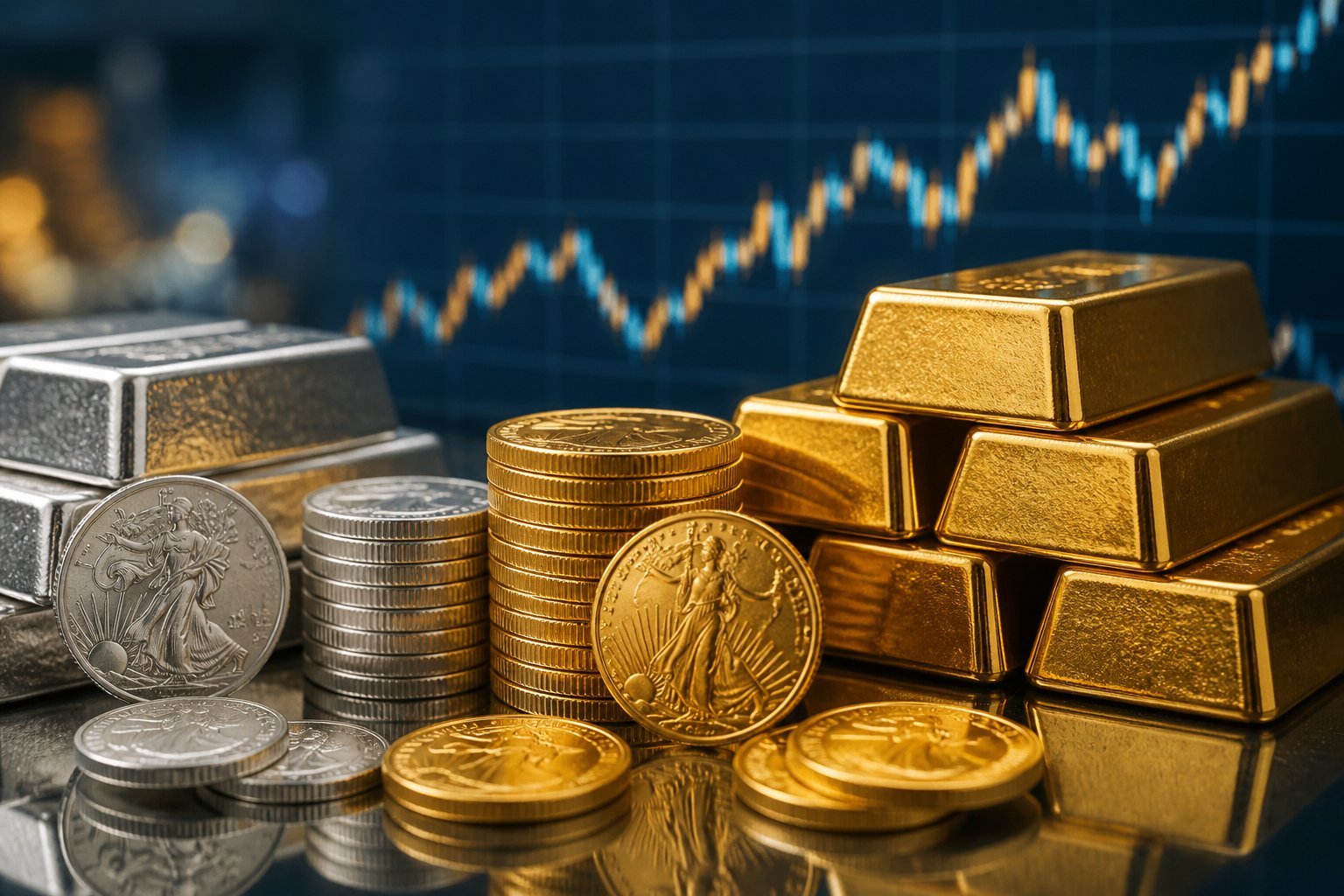
This article breaks down how spot price differs from premium, why gold and silver carry different markups, and which product types usually cost more. You’ll also learn practical ways to lower costs and avoid common misconceptions so your next purchase fits your goals and budget.
Understanding Premiums in Precious Metals
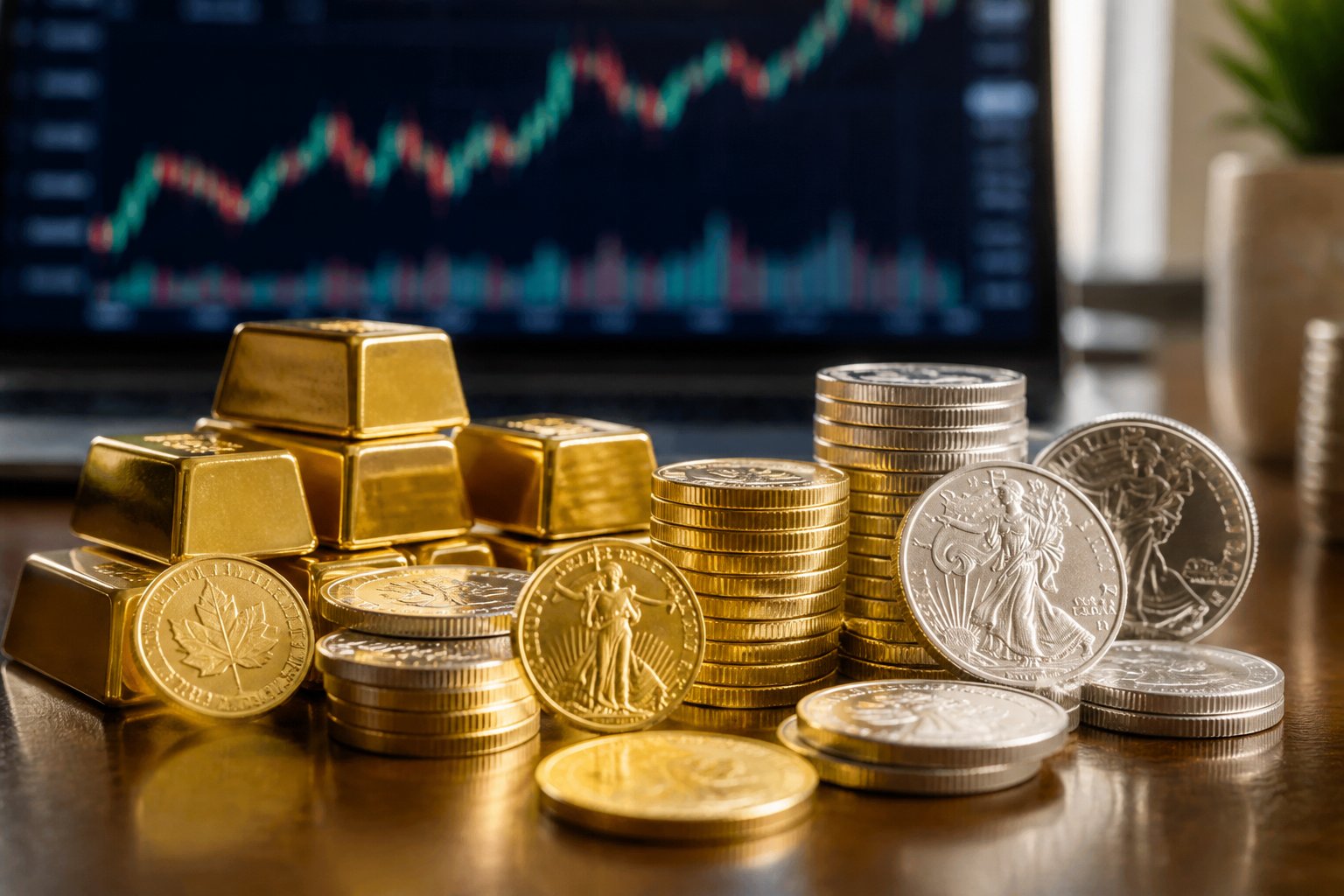
Premiums add defined, tangible costs to the market spot price and vary by product, seller, and market conditions. You need to know what a premium is, how sellers compute it, and which factors push it higher or lower.
Definition of Premiums
A premium is the additional amount you pay above the market spot price for a physical metal item. It covers production and distribution costs, dealer margin, and any added value from design, certification, or scarcity.
For example, a 1 oz gold coin will have a spot value based on the ounce price; the premium converts that into the retail price you actually pay. Premiums can be expressed as a dollar amount or a percentage of spot. They differ between bars, modern government coins, and collectible (numismatic) pieces.
You should treat the quoted premium as the full incremental cost beyond metal content. Watch for separate fees such as shipping, insurance, or sales tax that may not be included in the stated premium.
How Premiums Are Calculated
Dealers start with the current spot price, multiply by the metal weight, then add a markup to cover several cost components. Calculation looks like this: Retail Price = Spot Price × Weight + Premium (dollars or %).
Common cost components within the premium:
- Minting and fabrication (casting, stamping, QC)
- Packaging and assay or certification
- Dealer markup and operating costs
- Shipping, insurance, and handling
Some sellers set premiums as a fixed dollar amount per coin; others use a percentage of spot. You should compare both formats because a fixed premium favors high-spot metals, while a percentage can penalize lower-priced metals like silver.
Factors Influencing Premiums
Supply chain and demand dynamics directly affect premiums. Low mint production, shipping delays, or spikes in retail demand push premiums up quickly.
Product type matters: bullion bars generally carry lower premiums, government-minted coins sit in the middle, and limited-run or graded numismatic items command the highest premiums. Order size also changes pricing—bulk purchases often reduce the per-unit premium.
Other influences include dealer overhead, regional taxes and tariffs, and metal market volatility. In volatile markets, dealers widen buy/sell spreads to manage inventory risk, which effectively raises the premium for buyers. Compare multiple dealers and product types to find the best combination of liquidity and price for your goals.
Spot Price Explained

The spot price is the underlying market value traders use to price physical gold and silver. It reflects immediate delivery value, shifts constantly during trading hours, and serves as the baseline for premiums you pay when buying coins or bars.
Market Determination of Spot Prices
The spot price forms on global commodity markets where buyers and sellers transact electronically and via exchanges like COMEX and LBMA. You’ll see prices quoted in USD per troy ounce for gold and silver; other currencies require conversion. Market participants include banks, hedge funds, miners, refiners, and large consumers such as central banks and jewelry manufacturers.
Price discovery depends on order flow and liquidity. When buying or selling large blocks, your trade can move the spot price; thin markets amplify that effect. Spot prices also incorporate immediate physical availability—if delivery is constrained, local spot can deviate from global levels.
Key drivers you should watch: macroeconomic data (inflation, interest rates), currency moves (especially USD), and geopolitical events. These factors change demand for safe-haven assets and can push spot prices quickly.
Spot Price Versus Futures Price
Spot and futures prices represent related but distinct contracts. The spot price reflects immediate delivery demand; a futures contract sets a price today for delivery at a later date. Futures incorporate carrying costs—storage, insurance—and expectations about interest rates and supply.
You can compare spot and futures using the basis (futures minus spot). A positive basis (contango) means carrying costs and expectations push futures above spot. A negative basis (backwardation) signals tight physical supply or elevated near-term demand that makes immediate delivery more valuable.
Traders use futures to hedge or speculate without moving physical metal. If you’re buying physical bullion, check both spot and nearby futures to understand market sentiment and potential delivery premiums.
Real-Time Price Fluctuations
Spot prices update continuously during trading hours, often quoted to two decimal places. You’ll notice spikes during major economic releases (e.g., U.S. CPI, Fed decisions) and around geopolitical shocks; these cause rapid intraday swings.
Liquidity varies by time of day and by market region. The London and New York sessions concentrate trading, so volatility often rises at overlap times. Price feeds differ slightly by provider due to latency and different liquidity pools; use a reliable, time-stamped feed for precise transactions.
When you place an order with a dealer, expect the quoted spot to differ from the dealer’s execution price by spreads and fees. Monitor real-time charts if timing matters, and consider limit orders to control execution price when volatility is high.
Why Gold and Silver Have Premiums
Premiums arise from concrete costs and market dynamics that add to the spot price: limited physical supply, processing and fabrication expenses, and the markups applied by mints and dealers. These factors explain why you pay more than the raw market quote when buying coins, rounds, or bars.
Impact of Physical Supply and Demand
Physical availability drives premiums directly. When demand for coins or bars surges—during market stress, holidays, or collector interest—inventory runs low and dealers raise premiums to ration supply and cover expedited sourcing costs.
Size and form matter. Large cast bars or 100 oz silver often carry smaller percentage premiums because they use less manufacturing effort per ounce and move in bulk. Small coins and fractional sizes show higher percentage markups because fixed production and distribution costs are spread over fewer ounces.
Geographic and seasonal factors also affect you. Shipping delays, regional shortages, and mint release schedules can push premiums up in specific markets even while global spot stays steady.
Role of Refining and Fabrication Costs
Refining transforms mined metal into saleable bullion; that process adds measurable cost. You pay for assaying, chemical treatment, and melt loss—the material lost during refining and minting—which increases the effective cost per ounce.
Fabrication includes cutting, striking, engraving, and packaging. Complex coin designs or proof finishes require extra labor and quality control, so those products carry higher premiums. Generic rounds and cast bars minimize fabrication steps, which is why they typically show lower premiums compared with government coins.
Refiners’ minimum run sizes and equipment overhead also matter. Low-volume production forces higher per-unit costs, which dealers pass to you as part of the premium.
Effect of Mint and Dealer Markups
Mints and dealers set prices above spot to cover operating expenses and earn profit. Government-minted products—like American Eagles or Canadian Maples—often command higher premiums due to brand recognition, guaranteed weight/purity, and stronger resale liquidity. You pay extra for that assurance.
Dealers’ markups vary by business model. Online dealers with high volume often offer tighter spreads, while small or local shops list higher premiums to cover rent, staff, and lower turnover. Dealers also add premiums to hedge inventory risk; if spot falls after purchase, that markup protects their margin.
Compare quotes and check visible inventory before you buy. Transparent dealers list spot plus premium; opaque pricing hides the markup and can cost you significantly more.
Differences Between Gold and Silver Premiums
Gold premiums are typically lower in percentage terms and more stable; silver premiums are higher and more volatile. You’ll pay different markups because of liquidity, production scale, and who’s buying each metal.
Relative Market Liquidity
Gold trades in deeper, more liquid global markets than silver. Major exchanges and institutional pools let you buy and sell large quantities with smaller spreads, so dealers can offer narrower premiums on common gold products like 1 oz coins and standard kilo bars.
Silver’s physical market is thinner by comparison. Retail demand spikes and small-batch coin runs move inventory faster, forcing dealers to widen premiums to cover holding and bid-ask risks. Expect larger percentage markups on fractional items and rounds when spot moves quickly.
Production Volume and Economic Scale
Gold is produced in smaller absolute quantities but commands higher value per ounce, so minting and handling costs spread over greater dollar value. That lowers the premium percentage on standard gold sizes because fabrication, certification, and logistics represent a smaller share of total cost.
Silver’s much larger physical volume and lower per-ounce value make manufacturing and transport a larger portion of final price. Small production runs, packaging for collector coins, and minimum shipping costs push premiums up in percentage terms, especially for sub-ounce pieces and specialty designs.
Consumer and Investor Demand
Investment-grade gold buyers often include central banks, ETFs, and high-net-worth individuals who prefer standard bars and coins. That steady, predictable demand reduces marketing and inventory costs for dealers and supports lower premiums on popular gold items.
Silver attracts both investors and industrial users; retail collectors also chase limited mintages. Sudden retail buying—driven by price moves or coin programs—can deplete stock quickly. Dealers respond by raising premiums and applying purchase limits to manage inventory and margin, so your silver purchases usually carry higher and more variable premiums.
Types of Gold and Silver Products
You’ll encounter several product types that carry different premiums because of design, minting, and market factors. Knowing how coins, bars, collectible attributes, and manufacturer reputation affect price helps you compare offers and limit unnecessary costs.
Coins Versus Bars
Coins usually carry higher premiums than bars because you pay for minting detail, legal tender status, and recognizability. Government bullion coins such as American Eagles or Canadian Maple Leafs often add a few percent to the spot price compared with generic rounds, and small fractional coins (1/10 oz, 1/4 oz) add still greater per-ounce premiums.
Bars and ingots tend to offer lower premiums per ounce, especially in larger sizes like 100 g, 1 oz, or kilo bars. They suit investors focused on metal content and storage efficiency. Consider liquidity: well-known brand bars (e.g., PAMP, Valcambi) sell easier than obscure bars, though still usually cheaper than collectible coins.
Collectible and Numismatic Factors
Numismatic value can push a coin’s price far above metal value. Limited mintage, historical significance, proof finishes, and original packaging increase demand among collectors and raise premiums. If a coin has certified grading or is part of a sought-after series, expect a substantial markup over spot.
For bullion investors who want only metal value, avoid pieces marketed primarily for collectors. However, if you understand the collector market and can reliably resell to that audience, numismatic pieces can outperform spot-based purchases—just plan for longer holding periods and potentially higher transaction costs.
Brand and Manufacturer Influence
Brand recognition affects both buy and sell spreads. Government mints and established private refiners command higher premiums because dealers and buyers trust weight, purity, and authenticity. Examples: U.S. Mint, Royal Canadian Mint, PAMP Suisse, and Perth Mint typically trade with tighter liquidity and predictable premiums.
Smaller or unknown manufacturers often offer lower upfront premiums but may face steeper discounts when you sell. Consider manufacturer guarantees, assay marks, and serial numbers; these features reduce counterparty risk and often justify a modest premium. You can lower overall cost by balancing brand-name pieces for liquidity with generic bars for metal weight.
Trends in Premiums Over Time
Premiums on physical gold and silver have moved with minting costs, dealer margins, and specific market pressures. Expect long-term declines in premiums for large bars and spikes for small coins or constrained supply.
Historical Patterns
Historically, premiums were higher and more variable for retail-sized coins and bars. In the 1970s and 1980s, limited mint capacity and lower production efficiency pushed premiums well above current levels for many products. Over decades, improvements in minting scale, distribution networks, and greater market liquidity drove premiums on large 1 oz and kilo bars downward.
You still see persistent product differences: generic rounds and small fractional coins typically carry higher percentage premiums than internationally recognized bullion like 1 oz Gold Eagles or Britannias. Larger wholesale bars often trade close to spot plus a small manufacturing and handling charge, reflecting economies of scale.
Market Events Impact
Supply shocks, shipping delays, and abrupt demand surges cause short-term premium spikes. For example, during periods of extreme investor flight to safety or when new government programs absorb supply, dealers increase premiums to reflect higher acquisition costs and inventory risk. Mint production halts or capacity constraints create immediate scarcity in specific coins, sharply widening premiums for those issues.
You should watch spreads between buy and sell prices during stressed markets; they often widen as dealers protect margins. Policy actions—tariffs, export restrictions, or changes in VAT—also alter premiums by adding costs or reducing cross-border flows.
Recent Premium Fluctuations
Since 2020, premiums showed clear volatility: the pandemic triggered strong retail demand and logistical bottlenecks, lifting silver coin premiums into double-digit percentages at times. Gold coin premiums rose too, but less sharply for widely recognized 1 oz pieces. As supply chains normalized in 2021–2023, many premiums retreated, though product-specific premiums remained elevated for collectible or low-mintage releases.
Today, expect premiums to fluctuate with seasonal demand (tax refund and holiday buying), central bank buying, and any renewed supply disruptions. You can reduce what you pay by choosing higher-liquidity products, buying larger bars, or shopping multiple dealers to compare current premiums.
Premiums and Investors’ Strategies
Premiums affect how much you pay relative to the metal’s spot price, influence which product types you choose, and guide when and how much to buy. Consider product form, dealer spreads, and timing to control costs without sacrificing diversification or liquidity.
Impact on Purchase Decision
You should compare premiums across product types before buying. Government coins (e.g., American Eagle, Canadian Maple Leaf) typically carry higher premiums for collectibility and guaranteed purity, while privately minted bars and rounds often offer lower premiums per ounce.
Look beyond headline premiums to the total cost: shipping, insurance, and dealer fees add to your outlay. For large purchases, request volume pricing or spot-based quotes; dealers frequently reduce per-ounce premiums for orders over certain thresholds.
Also factor liquidity: coins with higher premiums may resell more easily at market-making dealers. If you prioritize resale speed, paying a modestly higher premium can be justifiable.
Timing and Market Conditions
You can reduce premiums by buying when dealer inventories are ample and demand is subdued. During periods of market stress or sudden price moves, premiums widen because mints and distributors struggle to supply physical product quickly.
Monitor the spot-to-premium spread over several days; sudden spikes often signal short-term supply constraints rather than underlying metal value changes. Plan purchases during normal market conditions or wait for post-spike normalization when practical.
Use alerts for dealer stock and promotions; seasonal sales or dealer inventory clearances can temporarily lower premiums by several percentage points.
Balancing Premiums with Potential Returns
Weigh premium costs against your expected holding period and return targets. If you plan short-term trading, high premiums eat into potential gains and make frequent turnover costly. For long-term holders, a slightly higher upfront premium may be acceptable if it secures a desirable form, authenticity, or lower storage hassle.
Calculate breakeven scenarios: estimate how much spot price must rise to cover the premium plus transaction costs before you profit. Use simple tables or spreadsheets to model different premium levels, holding periods, and resale assumptions.
Finally, diversify purchase methods—buy a mix of low-premium bullion for metal weight and higher-premium government coins for liquidity or numismatic potential.
Reducing Costs When Buying Gold and Silver
You can lower what you pay by adjusting order size, product type, and which dealer you use. Small choices—buying larger quantities, picking rounds or bars over coins, and shopping multiple dealers—often cut premiums most effectively.
Buying in Bulk
Buy larger quantities to reduce per-ounce premiums. Dealers typically offer lower premiums per ounce on 10-ounce bars compared with 1-ounce coins, and buying 10 or more ounces at once often unlocks tiered pricing or wholesale discounts.
Watch for price breaks and compare the break-even point after shipping and insurance. If you plan to hold for years, a single larger purchase usually costs less than multiple small buys because fixed costs (shipping, payment fees, packaging) spread over more metal.
Keep liquidity needs in mind. Very large bars can be harder to sell quickly in retail markets, so balance lower premiums with your likely need to convert metal back to cash.
Choosing the Right Products
Pick product types that match lower minting and distribution costs. Generic rounds and cast bars generally carry the smallest premiums because they have minimal design and branding costs.
Government-minted coins add collectibility and often wider resale markets but usually cost more above spot. If you value resale ease and certified grading, budget for higher premiums on popular coins like the American Eagle or Canadian Maple Leaf.
Check metal purity and weight consistency. Finer, standardized bullion (e.g., .999 or .9999 fine) trades more easily and can command better net prices on resale, offsetting slightly higher initial premiums in some cases.
Comparing Dealers
Compare at least three dealers on price, shipping, payment fees, and return policy before buying. Use a short checklist: spot price used, itemized premium, shipping cost, payment surcharges, and buyback terms.
Look for dealers with transparent pricing and recent client reviews. Smaller local dealers may match online prices and save you on shipping; online dealers often have wider inventory and lower minted-product premiums due to scale.
Factor in secure shipping and insurance costs into the final price. A slightly higher listed premium can be worth it if the dealer includes insured overnight shipping and a simple authentication/return policy.
Common Misconceptions About Premiums
You might think the spot price is the only number that matters. In reality, the total you pay equals spot plus premium, and that premium covers production, distribution, and dealer costs.
Many assume higher premiums always mean a scam. Premiums vary for legitimate reasons: product size, recognition, and demand affect costs. Smaller coins and specialty designs often carry higher per-ounce premiums than large bars.
You may believe premiums are fixed. They’re not. Premiums fluctuate with market demand, dealer inventory, and shipping costs. During surges in buying, premiums can spike even if spot barely moves.
Some people confuse dealer markup with pure profit. Dealer margins are part of the premium, but so are minting, certification, and logistical expenses. Recognize the difference between necessary costs and excessive markups.
You might expect identical premiums across dealers. Prices differ; comparison shopping matters. Look at total cost, including shipping and tax, to compare offers fairly.
Finally, you could assume low premium equals best value for long-term holding. Liquidity and resale recognition matter more for some strategies. A widely recognized coin with a slightly higher premium can sell faster and closer to spot when you exit.