You often notice crude oil moves and wonder whether gold and silver will follow. Rising oil typically lifts inflationary pressure and production costs, which can push investors toward gold and silver as hedges — so higher crude often correlates with higher precious-metal prices, though the link weakens when currency moves, interest rates, or geopolitics dominate.
This article will unpack how energy-driven cost swings, historical correlations, asymmetric shocks, and market sentiment shape those relationships so you can judge when oil-driven moves matter for your metal positions. Expect clear comparisons of price trends, practical drivers of short- and long-term shifts, and what to watch next to position your portfolio.
Understanding Crude Oil, Gold, and Silver
You should view crude oil, gold, and silver as distinct but interconnected markets that respond to many of the same macro forces. Crude oil is a primary energy commodity that directly affects production, transportation, and manufacturing costs across the economy.
Gold and silver function both as industrial inputs and financial assets. Gold is mainly a store of value and hedge against inflation or currency weakness. Silver has that store-of-value role too, but it also has sizeable industrial demand—especially in electronics and photovoltaics—which can amplify price moves.
Key channels linking these commodities:
- Inflation channel: Rising oil raises production and transport costs, pushing consumer prices higher. You may see investors buy gold and silver as inflation hedges.
- Cost and demand channel: Higher oil can raise mining and refining costs, which may reduce supply or raise metal prices over time.
- Macroeconomic and currency channel: Oil price shocks can influence growth expectations and the U.S. dollar. A weaker dollar often supports higher dollar-denominated gold and silver prices.
| Attribute | Crude Oil | Gold | Silver |
|---|---|---|---|
| Primary role | Energy commodity | Financial asset/store of value | Dual: industrial + store of value |
| Sensitivities | Supply shocks, geopolitics, demand | Inflation, real rates, currency | Industrial demand, inflation, real rates |
| Typical investor use | Commodity exposure, hedging | Inflation hedge, safe haven | Hedge + industrial exposure |
You should remember correlations vary over time; relationships tighten during inflationary or geopolitical episodes and weaken in other periods.
Historical Correlation Between Crude Oil and Precious Metals
You’ll see that oil, gold, and silver sometimes move together and sometimes diverge. Supply shocks, inflationary pressure, and shifts in the US dollar tend to explain most joint movements.
Long-Term Trends
Over decades, gold and oil have shown a positive correlation, especially since the 1970s. When oil surged during inflationary episodes, gold often rose as investors sought an inflation hedge.
That pattern strengthened in the 2000s and 2010s as both commodities benefited from rising global demand and geopolitical risk premia. Correlation is not constant, though: statistical studies find nonstationary relationships and varying strength across different quantiles of returns.
You should note that silver’s link to oil is weaker and more volatile than gold’s. Silver has significant industrial demand, so its price reacts more to manufacturing cycles than to pure inflation or currency moves.
Notable Market Events
The 1973–74 oil shock produced simultaneous inflation and currency stress; gold climbed sharply while oil spiked, reinforcing the perceived link.
During the 2008 financial crisis, oil and precious metals first fell with risk assets, then gold recovered faster as a safe haven while oil lagged due to collapsing demand.
More recently, mid-2010s oil price collapses (2014–2016) showed divergence: oil fell on supply/demand imbalances while gold held steadier, driven by monetary policy and safe-haven flows.
Geopolitical events—Middle East tensions, Russia–Ukraine disruptions—tend to push oil up and can lift gold via risk premia, but outcomes depend on concurrent dollar moves and central bank responses.
Economic Cycles
During inflationary expansions, rising commodity-driven input costs support both oil and gold prices; you’ll see positive co-movement when real yields decline.
In recessions caused by demand shocks, oil usually falls more sharply than gold. Gold often outperforms because investors shift into liquidity and safe assets, while silver underperforms due to industrial demand loss.
Monetary policy turns matter: tightening that boosts real rates can pressure gold and sometimes silver, even if oil rises due to supply constraints. Watch the US dollar—its strength typically pushes commodity prices lower, altering historical correlations.
Key Economic Factors Influencing Price Relationships
Crude oil, gold, and silver interact through real purchasing power, central-bank actions, and sudden shifts in global demand or supply. These channels determine whether metals move with or against oil and how quickly those moves appear in prices.
Inflationary Pressures
Rising oil prices often raise consumer energy and transport costs, which feed directly into headline inflation you see in consumer price indexes. As inflation accelerates, investors frequently shift into gold and silver to preserve real wealth, pushing metal prices higher in nominal terms.
You should note timing differences: oil can spike immediately after supply disruptions, while inflation’s effect on metals unfolds over months as wages and prices adjust. Also consider expected inflation: futures markets and breakevens often move metals in anticipation, so forward-looking signals matter as much as current CPI prints.
Monetary Policy
Central banks react to oil-driven inflation by adjusting policy rates and balance sheets. If your central bank tightens to fight inflation, real interest rates can rise and reduce the appeal of non-yielding gold and silver, pressuring their prices downward.
Quantitative easing and low-rate regimes, conversely, lower real yields and typically boost metal demand. Pay attention to real rates (nominal rate minus inflation expectations) rather than headline rates; metals correlate more strongly with real yields than with nominal policy rates alone.
Global Demand and Supply Shocks
Major oil supply shocks—OPEC cuts, geopolitical conflicts, or weather disruptions—raise energy costs and can trigger risk-off flows that benefit safe-haven gold quickly. Silver’s industrial demand link makes its response mixed: it can rally on risk aversion but fall if global manufacturing contracts.
Demand shocks also matter: synchronized global growth lifts oil and industrial metals, but may hurt gold as investors favor cyclicals. Watch indicators like PMI, vehicle sales, and refinery utilization; they help you anticipate whether a shock will push metals together with oil or drive divergent moves.
Impact of Crude Oil Price Movements on Gold
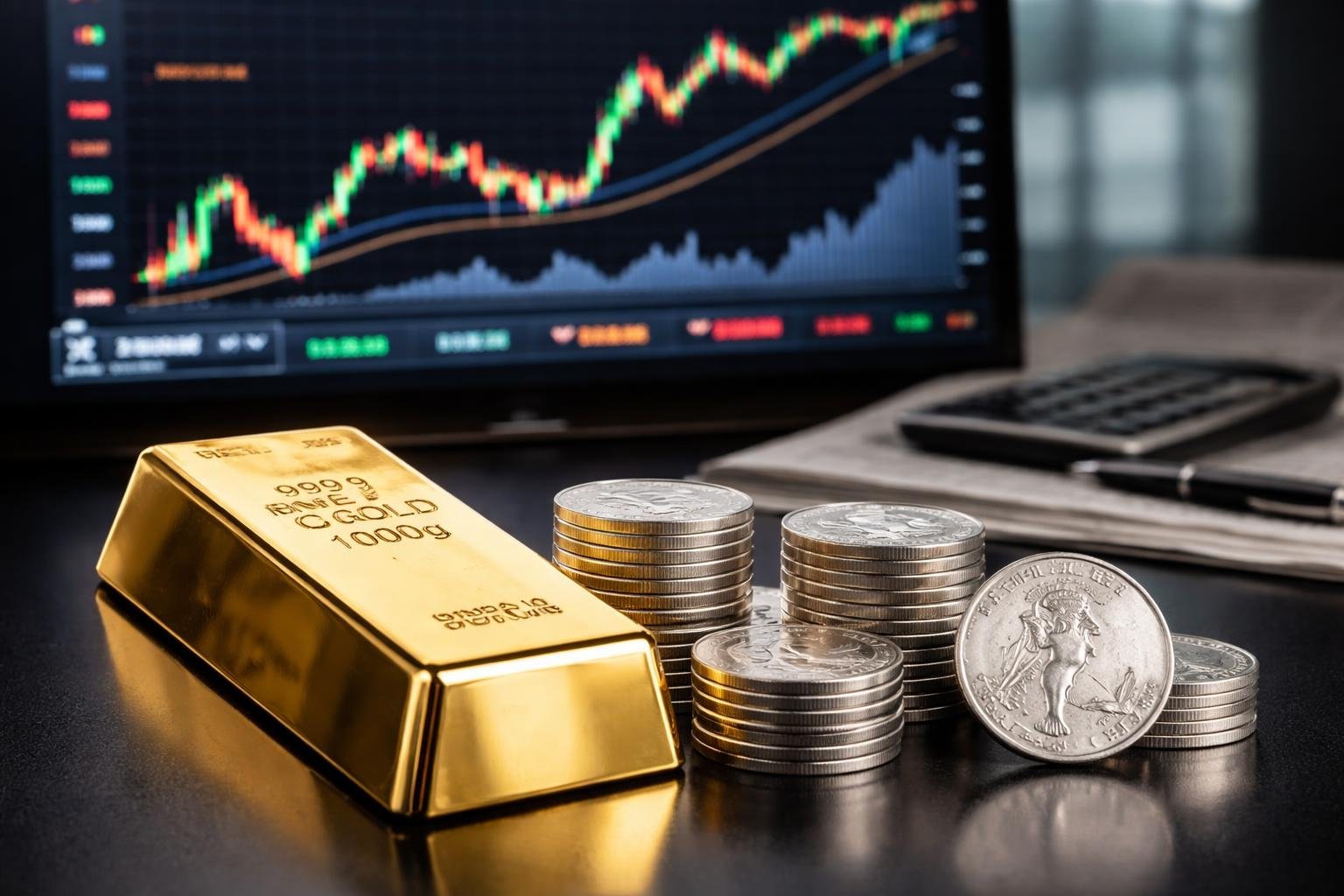
Rising or falling crude prices affect gold through both investor behavior and the physical cost structure of gold production. You will see effects via safe-haven demand when oil shocks occur, and via higher extraction and transport costs when energy becomes expensive.
Safe-Haven Dynamics
When crude oil spikes sharply, inflation expectations and economic stress often rise quickly. You may respond by buying gold as a hedge against rising consumer prices and currency weakness; historically, rapid oil-led inflation episodes have pushed investors into bullion.
Higher oil can also signal geopolitical risk—sanctions, supply disruptions, or conflict—that boosts demand for gold as a non-counterparty asset. Conversely, when oil collapses due to weak demand or global slowdown, you might reduce gold exposure because deflationary pressure and stronger risk appetite lower bullion’s appeal.
Market nuance matters: a concurrent rise in real interest rates or a very strong US dollar can counteract oil-driven gold flows. You should watch real yields, dollar strength, and the speed of oil moves to gauge whether gold’s safe-haven bid will dominate.
Energy Sector Influence on Mining Costs
Crude-driven energy costs feed directly into mining input prices: diesel for haul trucks, fuel for smelters, and electricity generated from oil- or gas-fired plants. You will see unit production costs rise when oil climbs, squeezing margins for higher-cost mines and sometimes prompting cuts to output or deferred investment.
Those cost pressures can tighten physical supply over time. If higher operating costs force smaller or marginal mines to pause, global mine supply growth slows, which may support higher gold prices independent of investor demand.
Track two metrics to assess this channel: diesel and electricity price changes in major mining jurisdictions, and producers’ all-in sustaining costs (AISC). Rising AISC tied to oil increases creates a clearer transmission from crude to the gold price.
Effects of Crude Oil Price Fluctuations on Silver
Crude oil swings influence silver through two main channels: industrial demand for silver-containing products and mining/processing cost structures. You’ll see immediate demand effects in sectors like electronics and photovoltaics, while production costs change more gradually with fuel and input prices.
Industrial Demand Connections
Silver plays a crucial role in electronics, solar panels, and automotive sensors, so higher oil prices that raise transportation and manufacturing costs can alter demand patterns. When oil-driven inflation reduces consumer and industrial spending, you may see slower replacement cycles for electronics and reduced vehicle sales, which lowers near-term silver consumption.
Conversely, oil price rises that spur investment in renewable energy can boost silver demand for photovoltaic cells. Silver is the most conductive metal used in solar photovoltaics; a surge in solar installations can increase industrial offtake materially. Pay attention to policy shifts and capex cycles—these determine whether oil moves reduce or redirect silver demand.
Cost Structures in Silver Production
Mining and refining silver use diesel, natural gas, and petroleum-based consumables; fuel can account for a notable share of operating budgets. When crude prices climb, your mine’s fuel, haulage, and smelting costs typically rise, compressing margins unless metal prices adjust upward.
Higher oil can also increase input costs for reagents and transport of concentrate to refineries. That may push higher-cost producers to curtail output, tightening supply and exerting upward pressure on silver prices. Watch inventory levels, producer hedging, and regional fuel subsidies—those factors shape how strongly oil price changes pass through to silver production and market supply.
Geopolitical Influences on Crude Oil and Precious Metals
Geopolitical events change supply expectations, risk sentiment, and liquidity, which in turn shift crude oil, gold, and silver prices. You should watch where disruption occurs, who controls output, and how markets interpret policy moves.
Regional Conflicts and Supply Risks
When a conflict threatens key oil-producing regions, oil prices often rise on the prospect of reduced exports or insurance and shipping costs. You should note that even short-lived attacks on pipelines, terminals, or tankers can spike Brent and WTI by tightening near-term physical availability and increasing volatility in futures markets.
Higher oil prices from supply shocks can push you toward gold and silver as hedges. Gold typically benefits from flight-to-safety buying and currency weakness tied to energy-driven inflation. Silver can follow gold but also reacts to industrial demand loss if higher energy costs slow manufacturing, making its direction less certain than gold’s.
Key indicators to monitor: production outages, tanker routing changes, strategic reserve releases, and regional export statistics. Those signals help you anticipate which way precious metals may move after an oil-focused geopolitical shock.
OPEC Actions and Commodity Markets
OPEC+ decisions on production quotas directly affect global supply expectations and price trends for crude oil. You should track meeting statements, compliance reports, and surprise quota adjustments because they alter traders’ forward curves and risk premia across energy-linked assets.
When OPEC cuts tighten supply and lift oil prices, you may see increased inflation expectations and stronger demand for gold as an inflation hedge. Silver often follows but may diverge if higher oil-induced costs suppress industrial consumption. Conversely, unexpected OPEC increases can cap oil rallies, reducing immediate upside for precious metals driven by energy inflation concerns.
Watch the timing and magnitude of OPEC moves, market positioning (net-long/short), and central bank reactions. Those factors determine whether a production change produces a sustained shift in precious metals or only a transient price correlation.
Market Sentiment and Investment Strategies
Crude oil shifts influence trader risk appetite, liquidity for speculative bets, and the hedging choices you make for precious metals. Expect faster position adjustments in gold and silver when oil-driven inflation expectations or growth signals change suddenly.
Speculative Flows
Speculators react quickly to oil moves because energy-driven inflation and growth outlooks change margin expectations and funding costs. When oil rallies sharply, futures and ETF flows into gold can rise as traders position for higher inflation; conversely, if oil collapses on weak demand, short-term selling pressure can hit gold and silver as risk assets reprice.
Watch the following indicators to track speculative flows:
- Managed money positions in futures reports (CFTC) to see directional bets.
- ETF net inflows/outflows (GLD, SLV) for retail and institutional appetite.
- Open interest and basis spreads to detect leverage build-up or unwind.
Use stop placement and position sizing because speculative spikes around geopolitics or supply shocks can reverse quickly. Consider trading liquidity windows and implied volatility levels before increasing exposure.
Portfolio Diversification
You can use gold and silver to hedge oil-driven inflation or stagflation risks, but their roles differ. Gold typically functions as a store of value and inflation hedge; silver adds industrial demand sensitivity, so it often benefits when oil-driven economic expansion raises manufacturing activity.
Design diversification with clear objectives:
- Inflation hedge: overweight gold if you expect persistent oil-led price rises.
- Real activity play: add silver if you expect oil-driven industrial demand recovery.
- Correlation monitoring: rebalance when the gold-oil or silver-oil correlation deviates from historical norms.
Allocate using risk budgets rather than fixed percentages. Reassess after major oil shocks, because shifts in the dollar, rates, and commodity supply chains can change how metals contribute to diversification.
Comparative Analysis of Crude Oil, Gold, and Silver Price Trends
You will find differences in volatility and measurable correlations across these three markets that matter for portfolio risk and hedging. Focus on how magnitude of moves, drivers, and time horizons change the relationship between crude oil, gold, and silver.
Volatility Patterns
Crude oil typically shows the highest short- and medium-term volatility among the three due to supply shocks, geopolitics, and inventory swings. You should expect sharp intra-year moves driven by OPEC decisions, refinery issues, and demand shifts from transport and industry.
Gold generally exhibits lower day-to-day volatility than oil but spikes during currency weakness, inflation scares, or systemic risk. Gold’s moves tend to be smoother and sustain longer trend phases when driven by macro policy (rates, real yields).
Silver combines attributes of both metals: it moves with gold as a monetary hedge but also reacts strongly to industrial demand and energy costs. That dual role creates larger percentage swings than gold, especially when commodity cycles or manufacturing demand change.
Correlation Metrics
Short-term correlations between oil and gold can vary widely; you will see positive correlation during inflationary surges and weak correlation during pure demand shocks in oil. Measuring correlations with rolling windows (30–180 days) reveals those regime shifts.
Longer-term correlation metrics—annual or multi-year—often show a modest positive relationship because higher energy prices can raise inflation expectations, supporting precious metals. Use Pearson correlation coefficients and cross-correlation lags to quantify this: expect coefficients that fluctuate from near zero to +0.6 depending on the period.
Silver’s correlation with oil often sits between gold–oil and oil–industrial metals. You should test correlations separately for high-volatility episodes and stable periods, and report p-values or confidence intervals when making allocation decisions.
Future Outlook for Crude Oil and Precious Metals Prices
Expect oil-driven shifts in inflation expectations and physical demand to shape gold and silver prices. Monetary policy reactions and changes in industrial consumption will determine whether precious metals act more as monetary hedges or industrial inputs.
Emerging Market Dynamics
Emerging markets will influence demand for both energy and industrial metals. If China and India accelerate infrastructure and manufacturing spending, crude oil demand could rise, lifting transport fuel consumption and refining margins. That would push energy-linked inflation higher, which often increases investor appetite for gold as an inflation hedge and for silver for both investment and industrial use.
Currency moves in emerging markets matter. Weak local currencies against the dollar make imports costlier, raising local gold demand as a store of value and boosting domestically priced silver purchases for jewelry and electronics. Watch fiscal stimuli, vehicle electrification pace, and central-bank reserve strategies in major EMs; each can shift short-term correlations between oil and precious metals.
Technological Innovations
Technology affects both supply and demand across oil and metals. Advances in drilling and AI-driven reservoir management can lower oil production costs, pressuring prices downward. Lower oil prices typically reduce inflationary pressure and can weaken safe-haven demand for gold, while lowering input costs for silver-intensive industries.
On the metals side, improvements in recycling, battery chemistries, and photovoltaic efficiency change silver demand profiles. If demand from solar and EV sectors grows faster than recycling can supply, silver prices may rise independently of oil. You should track breakthroughs in green-hydrogen, carbon capture, and battery materials because they alter long-term energy mix and industrial metal needs, reshaping the historical oil–precious metal relationships.