You’re noticing silver everywhere because India faces a rare mix of rising investor demand, festival and jewelry buying, and tighter global supply that together push prices and local premiums higher. If you want to understand why India is buying so much silver, the simple answer is this: investors and consumers are piling into a relatively small, less-liquid market for protection, profit, and cultural demand, creating acute local shortages and big price moves.
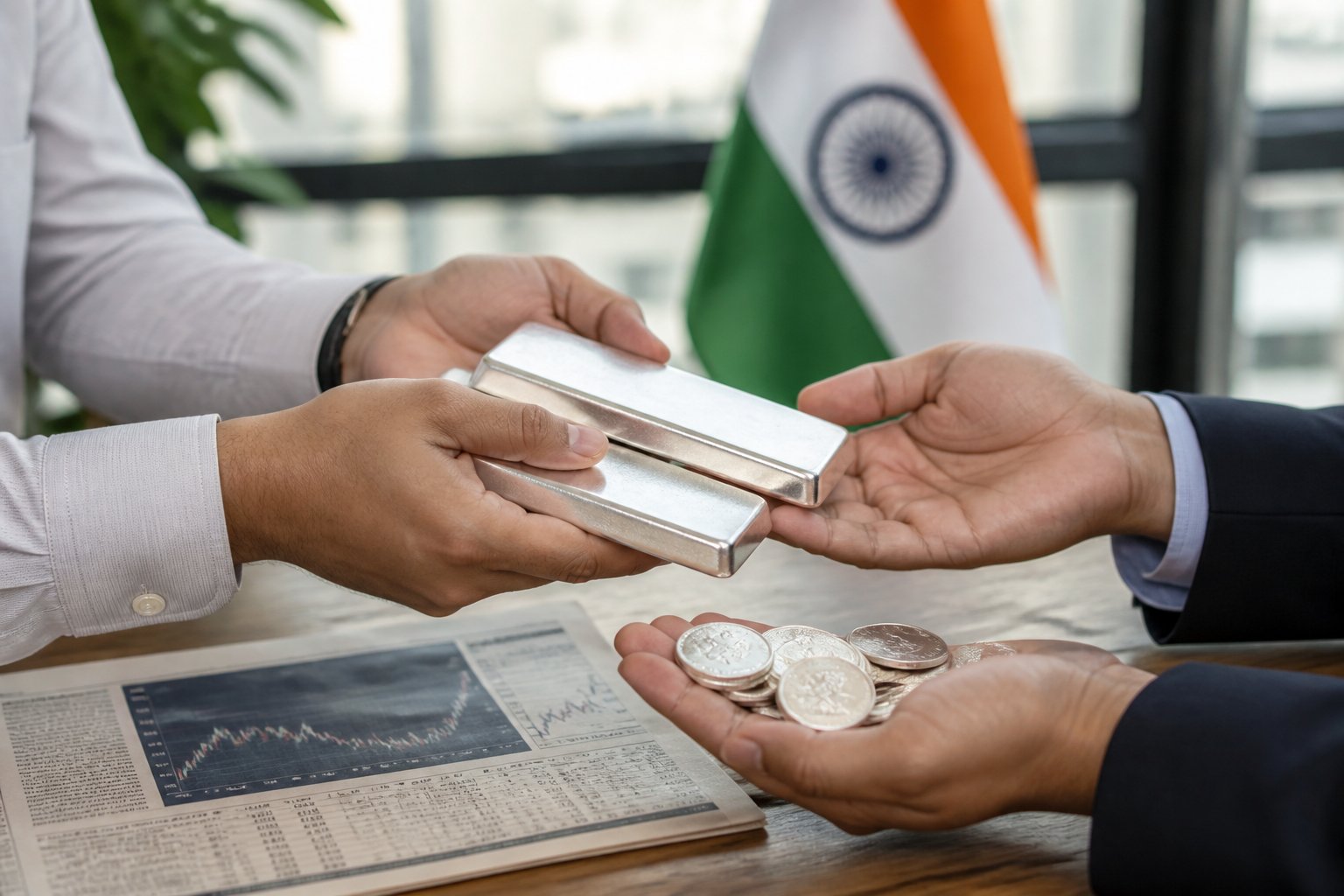
You’ll see the article unpack economic drivers, industrial uses, cultural traditions, shifting import patterns, government policy effects, and how global shortages amplify local pressure—so you can judge whether this surge looks temporary or signals longer-term change.
Economic Factors Driving Silver Demand
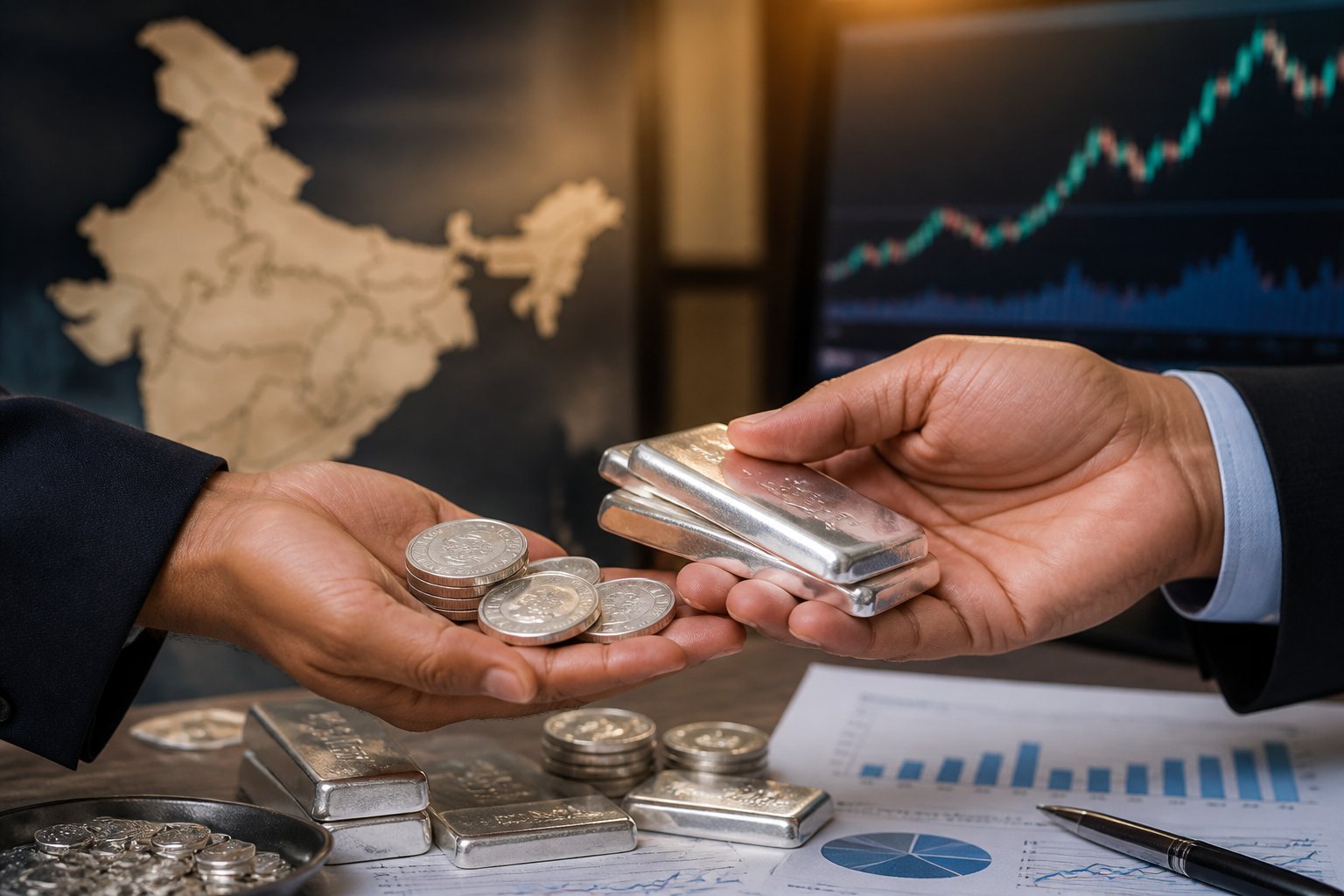
You face rising silver prices driven by a mix of domestic inflation hedging, shifts in global commodity markets, and heightened equity volatility. These forces push both investors and industries in India to increase purchases for protection and production needs.
Inflation and Currency Hedging
You buy silver as a hedge when consumer prices and the rupee weaken. Persistent retail inflation above central bank targets erodes cash returns, prompting households and small investors to shift savings into physical silver and silver ETFs.
Currency depreciation raises the domestic rupee cost of imported silver, so importers and jewelers front-load purchases to lock in supply and manage margin risk.
Industrial buyers also factor this into procurement: solar-panel manufacturers and electronics firms secure metal earlier in the cycle to avoid cost escalation.
Silver’s role as a tangible asset with relatively liquid resale markets makes it attractive for preserving purchasing power during periods of real-rate compression.
You will see these dynamics intensify when inflation expectations rise or when monetary policy lags behind price pressures.
Shifts in Global Commodity Prices
You must track global metal markets because silver is closely tied to base-metal and energy cycles. Rising prices for copper and aluminum often reflect stronger industrial demand that spills over into silver through increased manufacturing activity.
Energy-driven cost changes, particularly in Chinese solar manufacturing, affect silver demand for PV cells. When global solar panel shipments accelerate, industrial silver consumption jumps, tightening the physical market.
Supply-side constraints matter too: most silver is a byproduct of base-metal mining, so lower output in copper or lead-zinc reduces incidental silver production and amplifies price sensitivity.
For you as a buyer or policymaker, this means global commodity trends can quickly shift domestic availability and import needs, requiring responsive procurement and inventory strategies.
Stock Market Volatility
You turn to silver when equity markets become unpredictable. Sharp declines or stretched valuations in Indian and global stock markets increase demand for safe-haven and portfolio-diversification assets.
Silver offers both physical demand and investment routes—coins, bars, ETFs—which investors use to reduce portfolio beta.
During bouts of volatility, flows into silver ETFs and digital silver platforms rise, and retail buying during festivals or market stress compounds the effect.
Corporate treasuries and manufacturers may also hoard silver to mitigate supply-chain shocks from market-driven financing constraints.
Expect inflows to spike during sustained equity drawdowns or when market liquidity tightens, reinforcing short-term upward pressure on domestic silver prices.
Industrial and Technological Uses
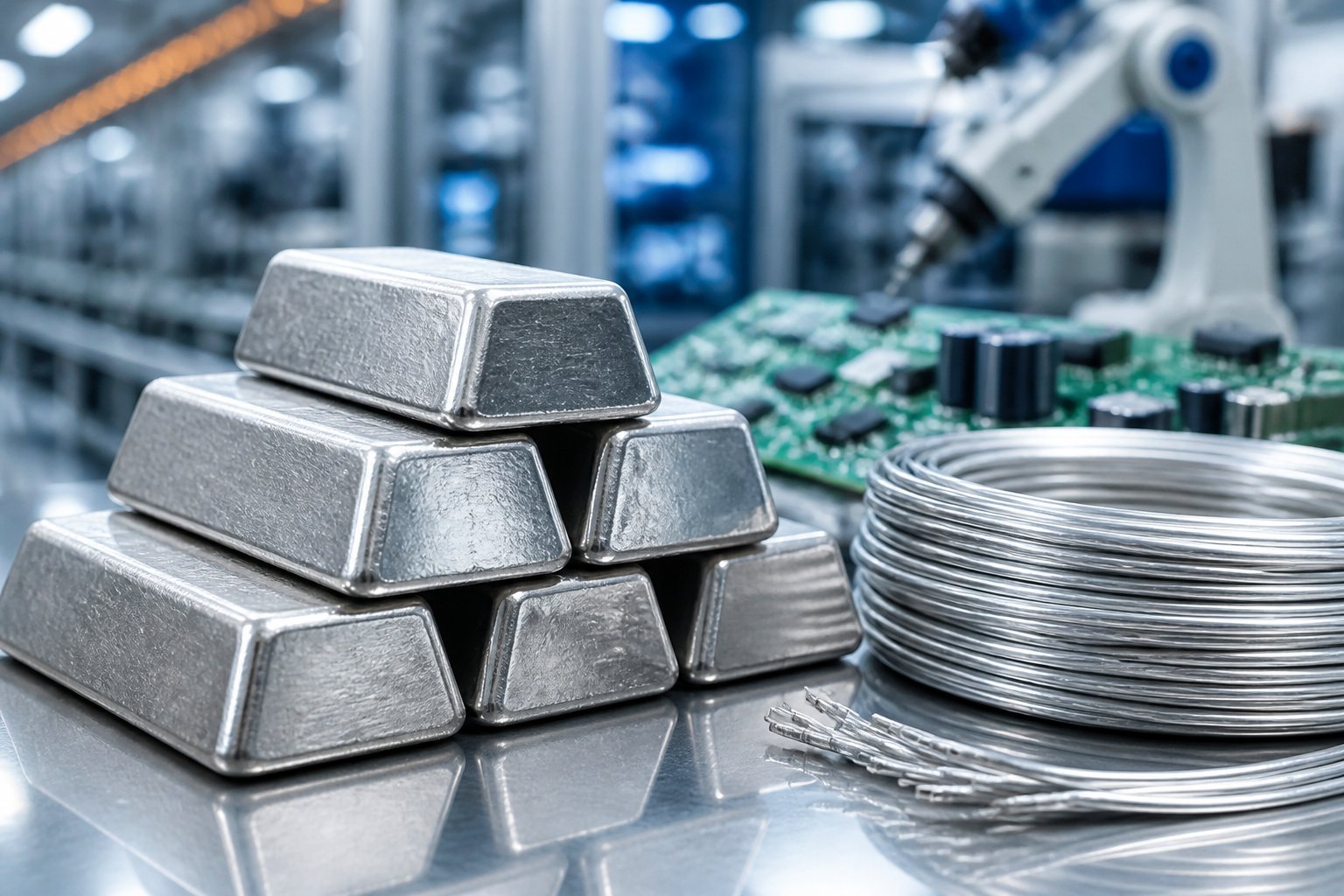
India’s silver demand now stems largely from its role in electronics, solar power, and medical/industrial products. Each area requires high-purity silver for conductivity, reflectivity, or antimicrobial performance, driving imports and domestic processing needs.
Growth of Electronics Manufacturing
You rely on silver in smartphones, printed circuit boards, and connectors because it offers the highest electrical conductivity of all metals. Electronics assembly uses silver-bearing pastes and brazes for reliable low-resistance contacts in chips, MEMS, and flexible electronics.
India’s electronics manufacturing push — including domestic handset assembly, component fabs, and connector production — raises demand for silver-bearing inks and solders. Manufacturers require consistent silver purity and supply to meet quality and yield targets, which makes secure sourcing and local refining more important for your supply chain.
Key drivers:
- High-conductivity silver pastes for PV and chip interconnects.
- Silver-coated contacts in relays and switches for longer life.
- Demand from automotive electronics and EV components increasing per-unit silver use.
Solar Energy Sector Expansion
You see silver in almost every photovoltaic (PV) cell as metallization paste on crystalline-silicon panels. Silver screen-printing forms the conductive fingers and busbars that collect current; efficiency and yield depend on paste formulation and silver quality.
India’s rapid deployment of utility-scale and rooftop solar boosts silver consumption per GW. As manufacturers scale and aim to raise cell efficiency, they may adapt paste formulations or shift to new metallization techniques, but near-term demand for silver remains high. Securing long-term silver inputs and processing capacity helps stabilize costs for module makers and reduces exposure to global supply volatility.
Operational considerations:
- Silver paste accounts for a material cost share in cell manufacturing.
- Recycling of silver from end-of-line rejects and reclaimed cells reduces net demand.
- Alternatives (copper plating, silver reductions) exist but require capital and yield-risk trade-offs.
Medical and Industrial Applications
You encounter silver in antimicrobial coatings, wound dressings, and medical devices because ionic silver disrupts microbial cell functions. Hospitals and diagnostics use silver-coated catheters, filters, and sensors where sterility and durability matter.
Industrial uses include catalysts, bearings with silver-based alloys, and brazing for heat exchangers and power equipment. These applications prioritize chemical purity and consistent physical properties, which drives demand for refined silver and quality control in supply chains.
Practical points:
- Medical-grade silver must meet strict regulatory and purity standards.
- Industrial brazing and catalysis consume silver in forms not easily recycled.
- Growth in domestic healthcare infrastructure and specialized industrial manufacturing increases predictable, long-term silver needs.
Cultural and Traditional Significance

Silver holds practical, symbolic, and economic roles across Indian life. You will see it used in festivals, weddings, and religious rites where both tradition and perceived health benefits shape demand.
Role in Festivals and Weddings
You will encounter silver in Dhanteras purchases, where families buy coins, utensils, or jewellery to invite prosperity. Silver coins (often called “Rupaiya” or “Chandi” coins) and small idols are common gifts and offerings during this festival.
In weddings, silver serves as ceremonial gifts, household sets, and heirloom pieces passed between generations. Brides and grooms may receive silver bangles, bowls, and trays used in rituals and later kept as a store of value.
Artisans craft silver ornaments and utensils to specific regional styles, which affects local buying patterns and supports craftsmen.
- Typical silver items: coins, small idols, utensils, trays, bangles.
- Motivations: ritual use, gifting, jewelry, value storage.
Religious and Ceremonial Uses
You will find silver used in daily puja and temple rituals because it is associated with purity and auspiciousness in many communities. Priests often use silver plates, lamps, and vessels for offering food, water, and incense to deities.
Ayurvedic and folk beliefs also attribute antibacterial or health-related benefits to silver vessels, which encourages household use beyond strictly religious reasons.
Temples sometimes commission silver coverings or small icons for gods and goddesses; these pieces carry both devotional significance and monetary worth, prompting devotees to donate silver as votive offerings.
Trends in Silver Imports and Consumption
India’s recent silver activity shows large, price-resistant import volumes and a clear shift toward industrial and investment uses. You will see spikes tied to policy, seasonal buying, and rising demand from green technologies and ETFs.
Statistical Analysis of Import Data
India’s monthly import volumes have surged; for example, imports hit 875 tonnes in a recent January, the highest since tracking began in 2008. Year-on-year jumps of 30–130% have been reported in different months, reflecting both bulk shipments and front-loaded buying before duty or currency moves.
You should note drivers behind the numbers: cheaper import duties in parts of 2025, festival-season buying, and industrial procurement for solar and EV components. Physical imports exceeded 1,400 tonnes in an August, suggesting sustained large-lot shipments rather than only retail demand.
Key numeric points:
- Recent peak months: ~875 tonnes (Jan) and ~1,400+ tonnes (Aug).
- YoY increases ranged roughly 30%–129% in cited months.
These figures indicate you are looking at both investment and industrial uptake, not just traditional jewellery demand.
Comparisons to Historical Demand
Compared with the 2010s, India’s 2024–2025 import profile is distinctly heavier on investment and industrial consumption. Earlier decades showed jewellery as the dominant use; now ETFs, institutional buying, and solar/EV demand are significant contributors.
You will see import patterns that differ seasonally: festival-driven peaks remain, but larger mid-year industrial orders and strategic stockpiling have emerged. The recent runs—record highs in 2025 despite elevated prices—contrast with prior years when high prices typically depressed volumes.
Historic comparison highlights:
- Pre-2020: jewellery-led demand with moderate imports.
- 2024–25: record import years driven by investment flows and green-tech industrial demand.
These shifts mean your assessment of Indian silver demand must weigh policy changes, manufacturing needs, and retail/investor behavior together.
Government Policies and Impact
India has tightened import controls and adjusted taxes to reduce metal inflows and protect foreign exchange. These moves directly affect prices, supplies to jewellers and bullion traders, and the formal trade routes you use.
Duties and Tariffs on Precious Metals
The government raised customs duties on precious metals, moving some categories from a lower rate to as high as 15% in 2025. This increases landed cost for imported silver and gold, making imported bars, coins, and raw inputs pricier for jewellers and investors.
You now face additional costs and regulatory paperwork when sourcing metal. The duty hike aims to curb surge in imports and limit forex outflow, but it can also push demand toward domestic sourcing or incentivize informal channels.
Policy also distinguishes product types: unstudded jewellery and certain silver forms fall under tighter controls. That selective targeting alters which imports remain commercially viable and which require special approvals.
Reserve Bank Regulations
The Reserve Bank of India (RBI) influences metal flows through foreign exchange and capital controls that affect import financing. Tighter external commercial borrowing norms and scrutiny of trade credit make it harder for importers to arrange low-cost funding.
You encounter more stringent documentation and sometimes longer processing times for payments related to bullion imports. The RBI’s emphasis on protecting forex reserves means regulators coordinate with customs and DGFT to monitor unusual trade patterns.
RBI actions also affect market liquidity and local pricing. When forex becomes scarce or costlier, domestic premiums on silver and gold tend to rise, altering trader margins and consumer prices you pay.
Global Influences on Local Markets
Global price moves, central-bank and ETF flows, and supply disruptions outside India directly change the rupee price you pay and the availability of coins, bars, and raw silver for industry. Those forces interact with India’s import patterns and seasonal buying to create sharp local price swings.
International Market Fluctuations
International spot and futures markets set the baseline dollar price you ultimately face. When global spot silver climbs—driven by ETF inflows, hedge fund positions, or speculative momentum—importers must pay more in dollars, which pushes up local rupee rates after import duties and freight are added.
Price linkage is not one-to-one. Local premiums, transportation bottlenecks, and currency moves often widen the gap between LBMA benchmarks and retail silver coins or jewellery in India.
You should watch three measurable drivers: ETF holdings (increasing ETF demand reduces available physical metal), futures market positioning (large long positions can sustain rallies), and London/COMEX inventory levels (declining stocks raise premiums).
Seasonal spikes in global demand—particularly around October–November—amplify these effects because importers scramble to secure physical stocks ahead of festivals.
Geopolitical Factors Affecting Supply
Geopolitical tensions influence both mined output and trade flows that determine how much physical silver reaches you. Export restrictions, sanctions on producing countries, and transport route disruptions can tighten global supply, raising prices and local scarcity.
Major buyers like China and Russia accumulating physical metal also reduce free float, increasing competition for available inventory.
You should monitor policy moves that affect mining regions and major transit corridors. For example, export policy changes or a surge in sovereign stockpiling can shorten the market’s immediate supply, forcing importers to pay higher premiums or delay deliveries.
Currency volatility tied to geopolitical events further alters import costs, making silver purchases more expensive even if dollar spot prices are stable.
Investment Patterns and Market Participation
You will see a split between retail buyers who favor physical silver and larger players who use institutional channels and financial products. Demand comes from coins, bars, ETFs, futures, and sector-specific industrial sourcing.
Individual Versus Institutional Buyers
You, as an individual buyer, most often purchase coins, small bars, and jewelry through retailers, temples, or online platforms. These purchases spike around festivals and weddings and when local prices dip; buyers prioritize purity, immediate liquidity, and physical control.
Institutions and large investors buy via exchanges, ETFs, futures, and direct imports. They focus on inventory management, hedging, and price exposure rather than physical possession. Traders and funds can move large volumes quickly, influencing short-term price swings.
Supply routes differ: you rely on domestic dealers and imports from the UAE, UK, and China; institutions use formal import channels and bullion banks. Transaction size, storage choices, and regulatory compliance separate your behavior from institutional strategies.
Role of Silver in Personal Wealth Portfolio
You may treat silver as a hedge and a tactical allocation within your portfolio, typically in the range of a few percent of net assets. Many Indians hold silver for tangible wealth preservation, inflation protection, and cultural uses, blending investment and ceremonial roles.
You can access silver via physical formats, sovereign or private mints, digital silver platforms, and ETFs—each has trade-offs in custody cost, purity assurance, and ease of sale. Physical holdings need secure storage; digital or ETF exposure offers liquidity but introduces counterparty considerations.
When you decide allocation, weigh industrial demand trends (electronics, solar, healthcare), price volatility, and tax/treatment differences versus gold. Rebalance based on your liquidity needs and the relative performance of silver against other assets.
Outlook for Future Silver Demand in India
You will see demand driven by two parallel forces: traditional investment/ritual buying and rapid industrial uptake. Investment interest spikes around festivals and economic uncertainty, while industrial use—especially in solar, EVs, and electronics—grows steadily.
Expect industrial demand to climb significantly through 2030. Solar panels, electric vehicles, and data centers use silver in conductive and photovoltaic components, and planned renewable expansion in India points to sustained consumption increases.
Supply constraints will shape price sensitivity and import reliance. India imports far more silver than it mines domestically, so any tightening in global supply or recycling bottlenecks will translate into higher import bills and price volatility for you as a buyer.
Policy and market responses can moderate risks. Measures like mining reforms, incentives for recycling, and strategic reserves could improve domestic availability. Banks, ETFs, and retail products will also broaden access, changing how you invest in silver.
Key indicators to watch:
- Industrial offtake in solar and EV sectors.
- Import volumes and customs duty changes.
- ETF flows and retail buying around festivals.
- Recycling rates and local mining output.
You should prepare for higher volatility than gold. Silver historically amplifies gold moves, so expect sharper price swings that affect both consumer purchases and industrial procurement planning.