Spot prices show what the market currently charges for immediate delivery of an asset such as oil, gold, natural gas, or another commodity. When you track these prices, you see how quickly changing market conditions can affect what buyers pay.

Spot prices rise when demand exceeds available supply, production or delivery becomes more difficult, or market participants expect tighter conditions ahead. Financial activity, policy changes, currency movements, and major global events can amplify those pressures.
You will see why supply disruptions, stronger consumption, investor expectations, and asset-specific factors move prices differently. You will also learn which market indicators can help you monitor rising spot prices more effectively.
Understanding Spot Price Formation

A spot price reflects the value of an asset for near-immediate settlement. Supply conditions, buyer demand, inventories, trading activity, and expectations interact continuously to move that price.
Immediate Supply And Demand
Spot prices rise when buyers compete for a limited quantity available for prompt delivery. This can occur after a mine shutdown, crop failure, production outage, transport disruption, or unexpected surge in consumption. When inventories are low, sellers have less flexibility, so buyers may accept higher prices to secure the asset.
Demand can also increase because of seasonal use, industrial requirements, currency movements, or investor activity. In energy markets, for example, extreme weather can raise demand for electricity or natural gas while simultaneously restricting supply. The resulting imbalance can produce rapid price increases.
You should distinguish current availability from total potential production. A commodity may have adequate output over the year but still experience a higher spot price if supplies cannot reach buyers immediately. Storage costs, shipping capacity, local shortages, and settlement terms also affect the price you pay.
Benchmark Markets And Price Discovery
Spot prices form through transactions across exchanges, dealers, brokers, and other trading venues. A benchmark market, such as a major futures exchange or a widely used wholesale marketplace, can provide a reference price by aggregating orders and completed trades. Participants then adjust that reference for location, quality, delivery date, financing, and transportation costs.
Price discovery changes as new information enters the market. Traders may raise bids when they expect tighter supply, stronger demand, or higher future production costs. In liquid markets, arbitrage helps keep closely related prices aligned; significant differences can attract traders who buy in the cheaper market and sell in the more expensive one.
For some assets, including precious metals, the quoted spot price may rely heavily on futures-market trading and global dealer activity. The final price can therefore reflect both immediate transactions and expectations about near-term market conditions.
Supply-Side Constraints
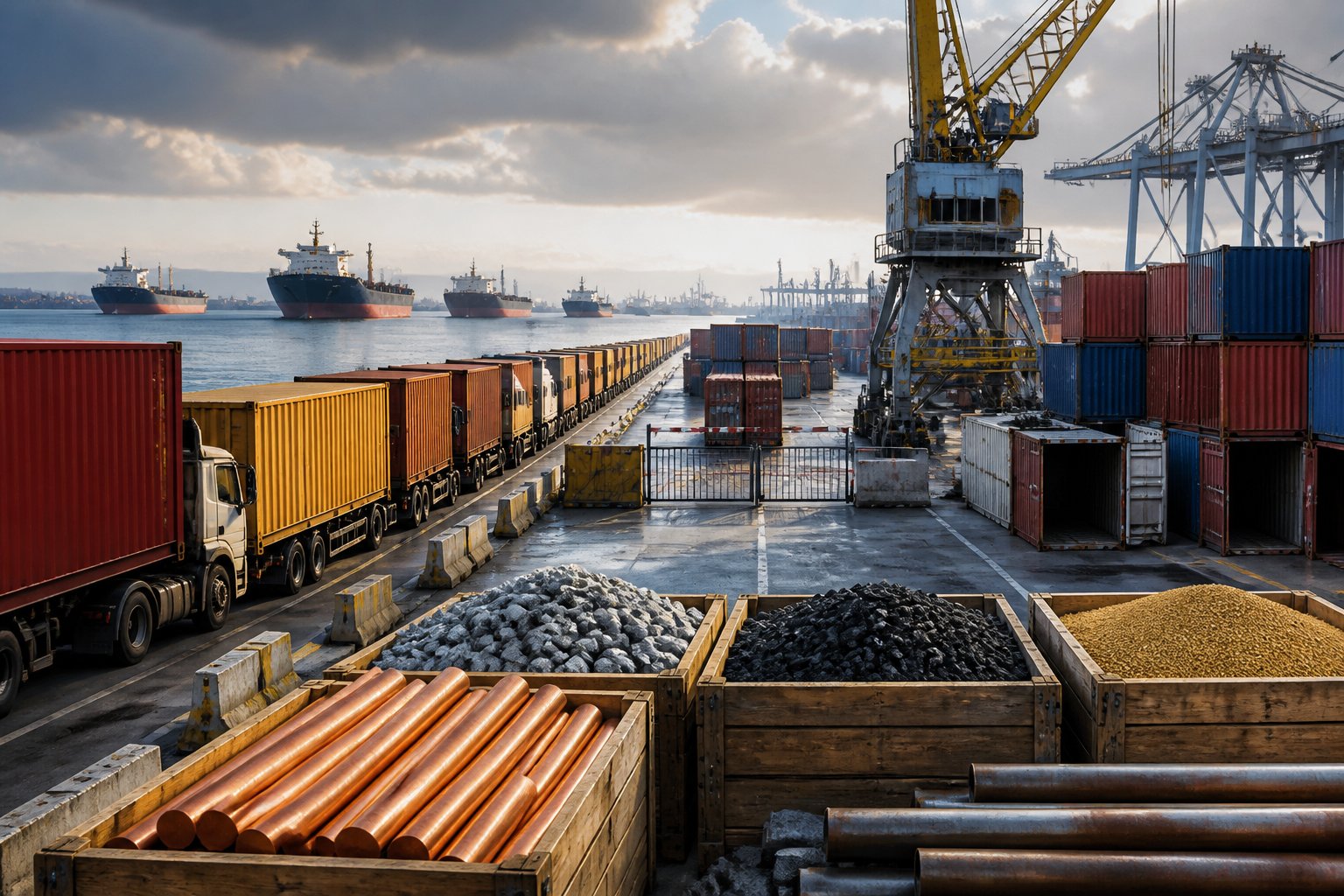
Spot prices rise when available goods decline, production cannot adjust quickly, or delivery delays restrict access to inventory. You can see the effect most clearly in production disruptions, falling stockpiles, and transportation bottlenecks.
Production Disruptions
A production disruption reduces the quantity available for immediate sale. Causes include equipment failures, energy shortages, labor strikes, severe weather, crop disease, mine closures, and factory shutdowns. If buyers continue seeking the same volume while output falls, sellers can raise spot prices to allocate the limited supply.
The effect depends on the disruption’s size and duration. A brief outage may cause a temporary price spike, while prolonged damage can affect contracts, inventories, and production expectations. For example, a drought can reduce agricultural output for an entire growing season, while a refinery outage can quickly tighten local fuel supplies.
You should also distinguish between a temporary supply shock and a lasting loss of capacity. When producers restore operations, prices may decline as new supply reaches the market. If repairs require months or replacement capacity remains unavailable, elevated prices can persist.
Inventory Drawdowns
Inventories help you meet demand when current production cannot keep pace. When buyers draw down warehouses, storage tanks, or strategic reserves, the amount available for prompt delivery falls. Spot prices can then rise even if total annual production appears adequate.
Market participants often monitor inventory levels relative to normal seasonal ranges. A low stockpile provides less protection against unexpected demand or another supply interruption. Buyers may compete for the remaining units, while sellers charge more for immediate access.
Inventory drawdowns can also signal expectations of tighter future supply. If traders expect shortages, they may purchase and store goods, increasing current demand and accelerating the price increase. Conversely, rebuilding inventories can reduce spot prices when it adds supply to the market and eases concerns about availability.
Transportation And Logistics Bottlenecks
Transportation problems can make goods scarce in one location even when sufficient supplies exist elsewhere. Port congestion, closed roads, rail shortages, container imbalances, canal restrictions, and limited trucking capacity can delay deliveries and raise the cost of obtaining goods promptly.
You may see regional price differences widen when shipments cannot move efficiently. Buyers near the constrained market pay more for available inventory, while prices may remain lower near the source. The size of the increase depends on the delay, the product’s storage life, and the availability of alternative routes.
Higher freight, fuel, insurance, and handling costs also affect delivered spot prices. Perishable goods face additional pressure because delays can reduce usable supply through spoilage. Once transportation resumes, prices may ease, although backlogs can keep them elevated until delayed shipments arrive and inventories recover.
Demand-Side Pressures

Spot prices rise when buyers seek more goods or services than suppliers can deliver immediately. Seasonal demand, stronger economic activity, and abrupt shifts in purchasing behavior can each tighten available supplies and increase the price required to secure them.
Seasonal Consumption Patterns
Seasonal demand can raise spot prices when many buyers need the same product during a limited period. For example, hot weather increases electricity use for air conditioning, which can also raise demand for natural gas used in power generation. If storage levels or delivery capacity remain limited, suppliers may charge more for immediate purchases.
You may also see seasonal effects in agricultural commodities. Crop prices can increase before harvest when inventories are low, while heating fuel often becomes more expensive before winter if buyers compete to replenish stocks. The size of the increase depends on inventory levels, weather conditions, transportation capacity, and how easily suppliers can add output.
Economic Growth And Industrial Activity
Economic growth can lift spot prices by increasing consumption across transportation, construction, manufacturing, and commercial services. A factory expansion may require more metals, energy, and intermediate goods, while higher freight activity can increase demand for diesel and crude oil.
When production grows faster than suppliers can expand capacity, buyers compete for currently available materials. This competition can push up the spot price even if long-term contracts remain less affected. Prices may rise further when labor shortages, port congestion, limited pipelines, or delayed equipment prevent suppliers from responding quickly.
Sudden Changes In Buyer Behavior
Unexpected changes in buyer behavior can create sharp spot-price movements. Consumers may increase purchases ahead of an anticipated shortage, policy change, storm, or price increase. Businesses may also build inventories when they expect delivery delays, causing several buyers to seek additional supply at the same time.
This behavior can produce a feedback effect: rising prices encourage precautionary buying, while precautionary buying reduces available inventory and creates additional upward pressure. You should distinguish this demand shock from a lasting increase in consumption. If buyers later reduce orders or release excess inventories, spot prices can fall quickly, particularly in markets with limited storage costs or highly responsive supply.
Market Expectations And Financial Activity

Expectations about future supply, demand, inflation, interest rates, and currency values can raise spot prices before physical conditions change. Trading activity then transmits those expectations through purchases, sales, inventory decisions, and changes in financing costs.
Anticipated Shortages
You may see spot prices rise when buyers expect a supply shortage, even if current inventories remain adequate. Forecasts of drought, mine disruptions, shipping delays, sanctions, production cuts, or stronger-than-expected consumption can encourage firms to secure material early.
This behavior increases immediate demand. A manufacturer may build inventory, while a wholesaler may purchase additional units to protect against higher replacement costs. If available supply cannot expand quickly, sellers raise prices in response to tighter order books.
Expectations can also affect inventories. When you expect prices to rise, you may hold stock rather than sell it immediately, reducing the amount available in the spot market. The effect becomes stronger when storage capacity is limited or when restocking takes months.
Speculation And Trading Flows
Speculators can contribute to rising spot prices by purchasing futures, options, exchange-traded products, or physical commodities. Their trades may reflect expectations of stronger demand, restricted supply, or favorable economic conditions. These positions do not always create a lasting price increase, but they can intensify short-term movements.
Financial activity affects spot prices through several channels. Futures prices can influence the prices used in physical contracts, while merchants may adjust inventories when futures premiums make storage more attractive. Banks, funds, and trading firms can also redirect capital toward a commodity, increasing buying pressure.
The impact depends on market structure and liquidity. A large purchase has a greater effect in a thin market than in a deep one. Prices can also reverse quickly if traders close positions, receive disappointing data, or revise their expectations.
Currency Movements And Interest Rates
A weaker currency can raise a commodity’s spot price in that currency by increasing the local cost of imports. For widely traded commodities priced in U.S. dollars, a weaker dollar often makes the commodity cheaper for foreign buyers, which can support demand and push the dollar-denominated price higher.
Interest rates influence both demand and holding costs. Higher rates can reduce industrial activity and make inventory financing more expensive, which may limit price increases. However, they can also reflect inflation concerns or economic strength, factors that may increase demand for some commodities.
When rates fall, borrowing and inventory financing usually become cheaper. You may then see stronger purchases, larger inventories, or greater investment in commodity-linked assets. The effect varies by commodity because storage costs, currency exposure, and physical demand differ across markets.
External Events And Policy Changes
External events and policy decisions can raise spot prices by disrupting immediate supply, increasing delivery costs, or changing expected demand. The effect often depends on how quickly buyers can find substitutes and how long the disruption lasts.
Geopolitical Conflict
Conflict can lift spot prices when it threatens production, transport routes, or access to key suppliers. For example, fighting near oil fields, pipelines, ports, or major shipping lanes can reduce the amount of material available for prompt delivery. Buyers may then compete for alternative supplies, pushing spot prices higher.
Sanctions and political instability can produce similar effects without physical damage. Restrictions on a major exporter may remove its products from some markets, while companies avoid risky shipments or face higher insurance and freight costs. You may also see prices rise before a disruption occurs because traders anticipate shortages and increase inventories.
The effect varies by commodity. Oil and natural gas can respond quickly to supply concerns, while metals and agricultural goods may react more slowly if inventories or substitute sources remain available.
Weather And Natural Disasters
Severe weather can reduce supply or interrupt distribution. Drought can lower crop yields and restrict hydroelectric generation, while hurricanes may shut oil platforms, refineries, ports, and power infrastructure. Floods, wildfires, and earthquakes can damage mines, roads, railways, warehouses, and processing facilities.
Spot prices usually respond most sharply when an event affects near-term availability. If a port closes during a period of limited inventories, buyers may pay more for material that can arrive from another location. Transportation costs can also rise when carriers must use longer routes or operate under hazardous conditions.
Weather can increase demand as well. A heat wave may raise electricity and natural-gas demand for cooling, while a cold snap can increase heating-fuel consumption. The price impact often weakens once repairs finish, replacement supplies arrive, or production resumes.
Government Regulations And Trade Measures
Government action can change spot prices by altering supply costs, market access, or demand. Import tariffs make foreign goods more expensive, while export restrictions can reduce supply in overseas markets. Quotas, embargoes, and sanctions may have similar effects when they limit the volume or destination of traded commodities.
Environmental rules can also raise prices in the short term. A refinery, power plant, or mine may need to install equipment, switch inputs, or reduce output to meet new standards. Compliance costs can therefore pass through to buyers, especially when producers have limited alternatives.
Subsidies and tax credits may increase demand for selected commodities, such as minerals used in batteries or fuels supported by blending policies. You should distinguish between a temporary price response and a lasting change: markets often adjust as suppliers expand capacity, buyers change inputs, or governments revise the measure.
Differences Across Asset Classes
Spot prices rise when immediate demand exceeds available supply, but the mechanism differs by asset class. You need to consider physical inventories, production constraints, financing conditions, currency movements, and expectations about future supply or demand.
Commodities
Commodity spot prices respond directly to conditions in physical markets. If users need more oil, wheat, copper, or natural gas than producers can deliver immediately, buyers compete for limited inventories and the spot price rises. Weather, transport disruptions, export restrictions, labor strikes, and equipment failures can reduce available supply quickly.
Inventories often determine the size of the increase. When stocks are low, even a modest disruption can produce a sharp price response because buyers have fewer alternatives. When inventories are high, suppliers can draw down stored material and limit the immediate increase.
Currency movements also matter. Most internationally traded commodities use the U.S. dollar for pricing. A weaker dollar can increase demand from buyers using other currencies, while financial investors may add upward pressure when they expect inflation, supply shortages, or stronger global growth.
Energy Markets
Energy spot prices often move rapidly because production and consumption must remain closely balanced. Oil and gas demand can increase during economic expansions, severe weather, or seasonal transportation and heating periods. Supply can fall because of geopolitical conflict, sanctions, pipeline failures, refinery outages, or decisions by major producers to reduce output.
Natural gas markets show especially strong regional differences. Limited pipeline capacity, storage shortages, and liquefied natural gas shipping constraints can cause prices to rise in one market while remaining stable elsewhere. Electricity prices can react even faster because most power cannot be stored economically at large scale.
You should distinguish spot prices from futures prices. A futures market may anticipate tighter conditions, but the spot price rises only when immediate supply, demand, or local availability changes. Storage costs, transport expenses, and interest rates also affect the relationship between current and future energy prices.
Metals And Agricultural Products
Metal prices depend on industrial demand, mine and smelter output, inventories, and the cost of replacing supplies. Copper, aluminum, and nickel can rise when manufacturing, construction, or electric-vehicle production expands. Mine closures, processing bottlenecks, energy shortages, and shipping disruptions can reduce deliverable supply and lift spot prices.
Precious metals follow additional drivers. Gold spot prices may rise when investors seek a store of value during financial stress, expect lower interest rates, or respond to currency weakness. Central-bank purchases can also support demand, although gold does not depend on industrial consumption to the same extent as base metals.
Agricultural prices respond strongly to weather and biological cycles. Drought, floods, frost, disease, and pests can reduce expected harvests, while planting delays affect future availability. Since crops require time to grow, producers cannot quickly increase supply after a shock. Export restrictions, storage levels, fertilizer costs, and changes in food or feed demand can therefore raise spot prices.
How To Monitor Rising Spot Prices
You can track rising spot prices by combining market signals with timely, well-defined price data. Focus on changes in supply, demand, inventories, trading volume, and the relationship between spot and futures prices.
Key Market Indicators
Monitor inventory levels, production, consumption, and transportation conditions for the commodity you follow. Falling inventories alongside steady or rising demand often indicates a tighter market, while production outages, refinery shutdowns, severe weather, port disruptions, and pipeline constraints can reduce available supply and push prices higher.
Compare the current spot price with nearby futures contracts. When the spot price rises above later-dated contracts, the market may reflect immediate scarcity, often described as backwardation. Rising futures prices can instead signal expectations of tighter future supply, stronger demand, or higher storage costs.
Track trading volume, bid-ask spreads, and price changes across related markets. A sharp increase supported by strong volume generally provides a more meaningful signal than a brief move in a thinly traded market. For energy commodities, compare crude oil with refined products such as gasoline, diesel, or jet fuel to identify where supply pressure is developing.
Reliable Data Sources
Use official agencies, recognized exchanges, and established price-reporting services whenever possible. Government sources such as the U.S. Energy Information Administration publish data on production, consumption, inventories, imports, exports, and benchmark energy prices. Their scheduled releases can help you compare price movements with underlying market conditions.
Exchange data provides quoted prices, contract specifications, settlement values, volume, and open interest. For commodities traded over the counter, use reputable benchmarks and price-reporting agencies that explain their assessment methods, delivery locations, product grades, and publication times. OPIS, for example, reports benchmarks for several refined petroleum markets.
Check whether a source reports a real-time quote, delayed price, daily settlement, or assessed benchmark. Record the currency, measurement unit, delivery location, and time zone before comparing figures. These details can materially change how you interpret an apparent price increase.